Lessie Evelyn Benningfield Randle
A Woman of Grace and Beauty in her 111th Year
In the quiet depth of a woman who has lived for one hundred and eleven years lives a story that stretches far beyond the limits of human longevity, a story that rises out of the ashes of devastation and refuses to fade even as generations come and go. Queen Mother Lessie Evelyn Benningfield Randle is not simply a name attached to the past; she is a living archive, a vessel of memory, and a spiritual emblem of the unbroken lineage of Black resilience in America. Her life began in the flourishing heart of Greenwood in Tulsa, Oklahoma, a community known proudly and internationally as Black Wall Street.
She was born in 1914, at a time when Greenwood was more than a neighborhood; it was a testament to what Black excellence could achieve when allowed even the smallest corner of opportunity. Her story spans a century of triumphs and tragedies, bearing witness to both the highest aspirations and the deepest wounds of Black America. And as she continues to speak, to remember, to embody a past that many forces tried to bury, she becomes not just a survivor but a guardian of truth in a country where truth has often been contested terrain.
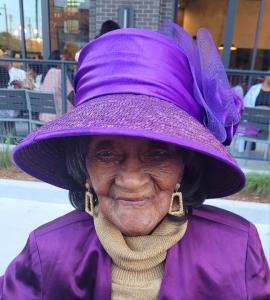
“Mother Lessie Benningfield Randle embodies the unbroken spirit of Greenwood. She is a living monument to our survival, our dignity, and our determination to rise. Her life is a testimony that Black Wall Street was never just a place — it was a people. And through her, that spirit still leads us.” — Dr. Michael Carter, Sr., Leader of the Black Wall Street Global Movement. On November 10th, the Queen Mother will celebrate her 112th birthday.
Long before the flames of 1921 engulfed her childhood memories, Greenwood was alive with possibility. In the years following emancipation, the promise of the West drew thousands of Black families searching for new beginnings. Many fled states where violence, poverty, and systemic oppression held them in place. They came to Oklahoma for the promise of land, safety, and economic possibility. Out of these migrations, Greenwood was born as a place where Black people could shape their futures on their own terms. It was not accidental or incidental brilliance—it was the result of faith, vision, resourcefulness, and community cooperation.
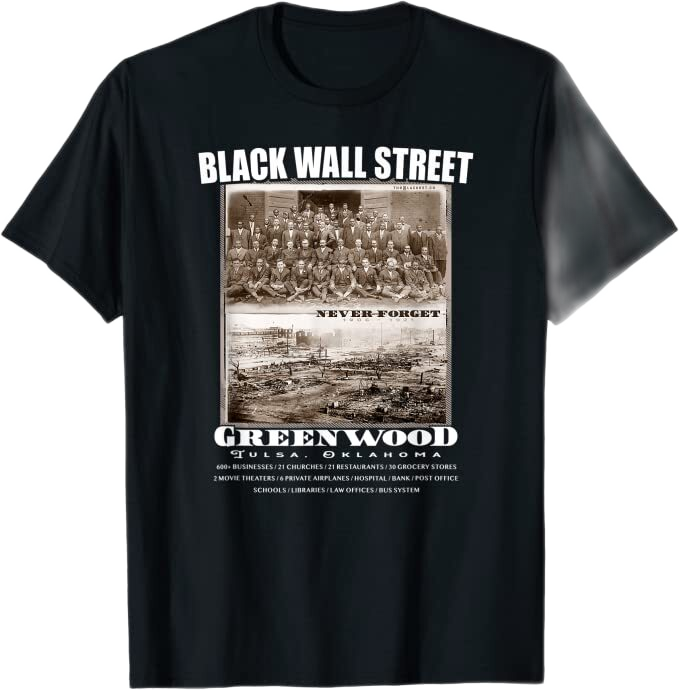
By the time Lessie entered the world, Greenwood had already established itself as a thriving Black metropolis, a self-contained economic ecosystem where over three hundred Black-owned businesses prospered. Entrepreneurs ran cafes, hotels, movie theaters, newspapers, barbershops, and pharmacies. Doctors and lawyers offered services that rivaled any professional establishment in nearby white Tulsa. Homeowners invested in multi-story buildings, and families supported each other across the district. Money circulated within Greenwood multiple times before ever leaving, creating a model of Black economic vitality that became the envy of the nation.
As a young child, Lessie experienced Greenwood with the vivid wonder that only a bright-eyed girl can. She remembered the hum of daily life: the chatter of adults greeting each other on sidewalks, the laughter of children skipping down the bustling streets, the aromas of fresh bread and spices drifting out of restaurants, and the refined elegance of well-dressed men and women moving through town with quiet pride. She lived in a world where Black dignity was not an aspiration but a daily reality. Her father, hardworking and deeply proud, provided for his family through determination and spiritual grounding. Her mother nurtured her with equal measures of softness and strength. Together, her parents built a home filled with moral clarity, faith, and a shared understanding that education and self-respect were keys to advancement. To young Lessie, Greenwood was a safe and promising world. She had no reason to imagine it could be destroyed.
Yet the success of Greenwood existed in the shadow of a segregated America where the rise of Black wealth and autonomy was viewed with suspicion and hostility. White Tulsa, sitting just across the railroad tracks, saw Greenwood not as a triumph of industry but as a threat to the racial hierarchy that shaped their worldview. Envy simmered beneath the surface, fed by racist propaganda, discriminatory laws, and the ever-present belief that Black prosperity was incompatible with white dominance. Even as the residents of Greenwood built businesses, schools, and churches, white resentment deepened. With each passing year, the tension between the two sides of Tulsa grew more volatile.
In late May of 1921, that simmering resentment erupted into deadly violence. What began with an alleged incident between a young Black shoe shiner named Dick Rowland and a white elevator operator named Sarah Page spiraled into a maelstrom of hatred and destruction. Although the details of the encounter were never fully clarified, and many believed it to be a harmless or accidental interaction, white newspapers sensationalized the story, portraying Rowland as a dangerous criminal. Calls for his lynching grew rapidly. As a white mob gathered around the courthouse, rumors spread that Black residents were attempting to intervene by force—a lie that inflamed white fears and resentments. When heavily armed white groups mobilized, the spark ignited the deadliest episode of racial violence in Oklahoma’s history.
Lessie was seven years old when the sky above Greenwood turned black with smoke. Her memories of that night remained etched in her mind even as she grew into an elderly woman. She recalled the shrieks of terror piercing the night, the thunder of gunfire echoing across the district, and the sight of armed white men descending upon their homes with rage in their eyes. Families fled in every direction, gathering only what they could carry and praying for their lives. Lessie and her family ran barefoot into the dark, dodging bullets that whizzed past them. She remembered the sound of her mother’s frantic breath, the trembling of her father’s hands as he urged them forward, and the firelight reflecting off buildings as they collapsed. She would later describe the fire as if the world itself had been set ablaze, with flames reaching toward the sky like furious hands clawing upward.
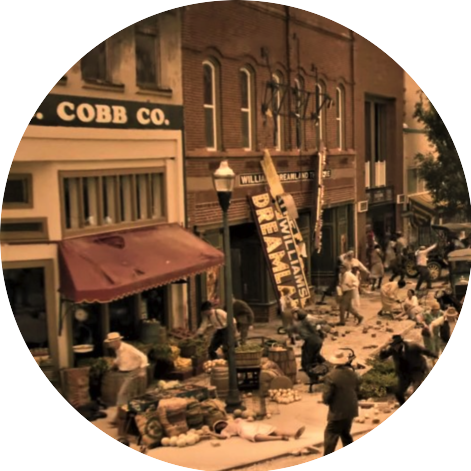
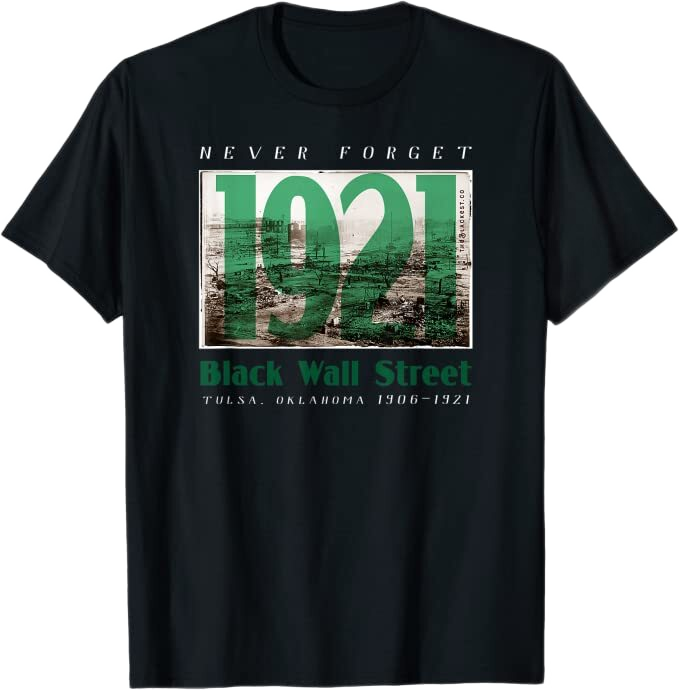
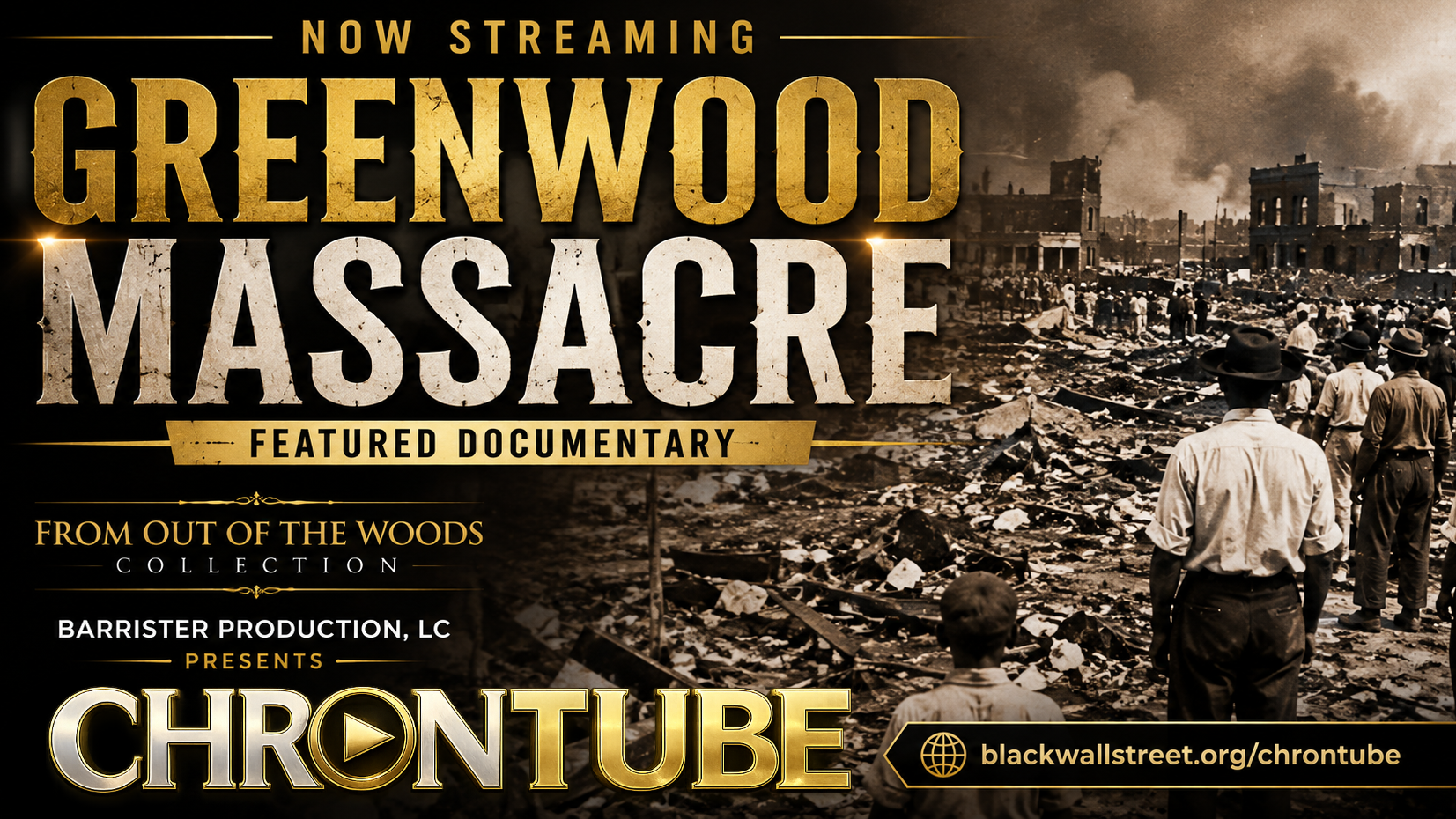
What happened over the next twenty-four hours was state-sanctioned terror. White mobs looted homes, burned businesses, and shot residents indiscriminately. Airplanes dropped incendiary devices on Greenwood, making Tulsa the first city in American history where private citizens used aircraft to attack their own neighbors. By the time the violence subsided, more than 1,200 homes had been destroyed, dozens of businesses had been decimated, and as many as 300 Black men, women, and children had been killed. Thousands were left homeless. The community that had taken decades to build was eradicated in a single night.
For the survivors, the aftermath was a second trauma layered upon the first. Insurance companies refused to honor claims, citing riot clauses that allowed them to deny compensation. Government officials imposed new building restrictions to prevent Greenwood from rebuilding. White newspapers downplayed the event, blaming the victims and distorting the truth. Many survivors were forced to live in tents for months, exposed to the elements while trying to salvage anything from the ruins. Yet even in devastation, the spirit of Greenwood persisted. Residents cleared debris, rebuilt foundations, reopened stores, and rekindled the flame of community life. Their perseverance was an act of defiance—a declaration that while the massacre had destroyed their property, it had not destroyed their resolve or their identity.
As Lessie grew older, she carried the massacre with her not as a burden that broke her but as a responsibility that shaped her. She lived through the Great Depression, World War II, the Civil Rights Movement, and the rise of modern America. Through each era, she remained anchored in faith and family, guided by the inner strength forged in the flames of 1921. She married, raised children, worked in service to her church, and became a steady presence in her community. Over time, she understood that her memories were not only hers to keep but hers to share. Silence had protected the perpetrators, and silence had buried the truth. If the story was to survive, it would require the voices of those who had lived it.
As she entered her later years, Lessie became a keeper of memory, offering her testimony to schools, churches, journalists, activists, and scholars seeking to restore the history that Tulsa had concealed for decades. Her words brought clarity to the events that had been distorted by official narratives. When she spoke, she did so with a calm but unwavering strength, refusing to let the horrors of the massacre define her life but equally refusing to let them be forgotten. She was instrumental in the movement for reparations, lending her voice to legal efforts and political campaigns aimed at securing justice for survivors and their descendants. She spoke before commissions, legislative hearings, and national platforms, insisting that America confront its past honestly.
Her testimony became part of a larger movement to recover the suppressed history of the massacre. For decades, textbooks omitted it entirely. Local officials discouraged discussion. Many descendants of survivors learned about it only in adulthood, often by accident. But as survivors like Lessie stepped forward, the walls of silence began to crack. Documentaries were produced, academic studies were conducted, and national conversations emerged. Through it all, Lessie remained a steady voice, reminding the world that truth must be spoken even when it is uncomfortable, and that healing requires acknowledgment, not denial.
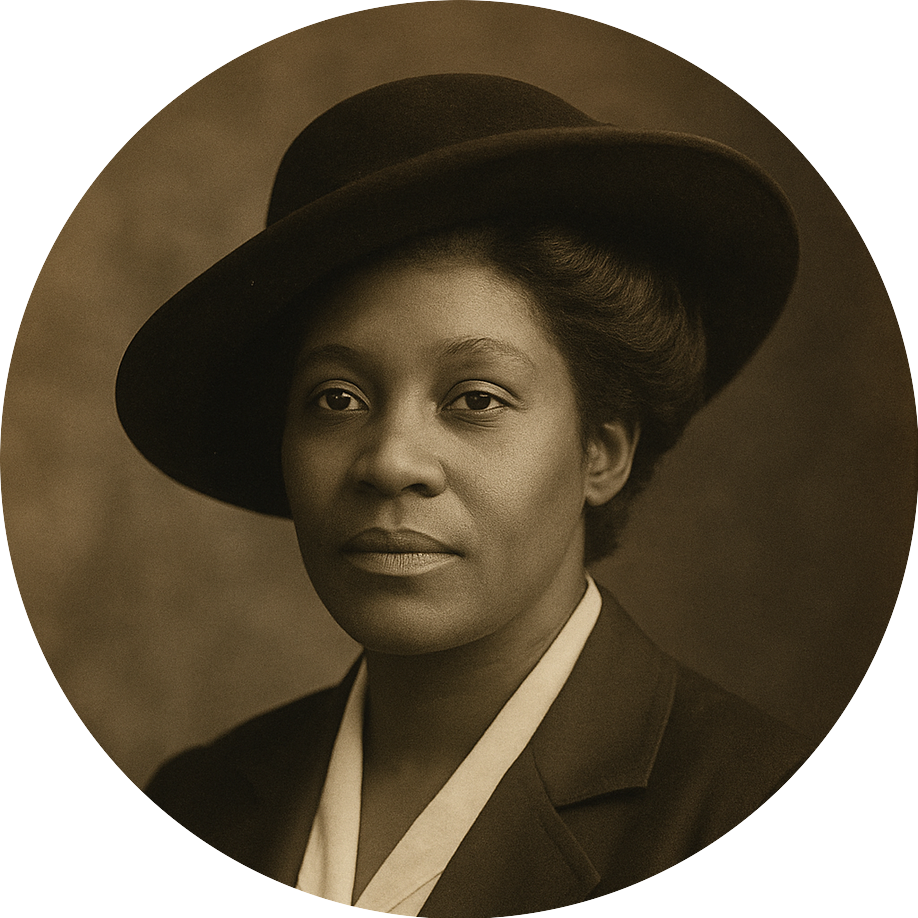
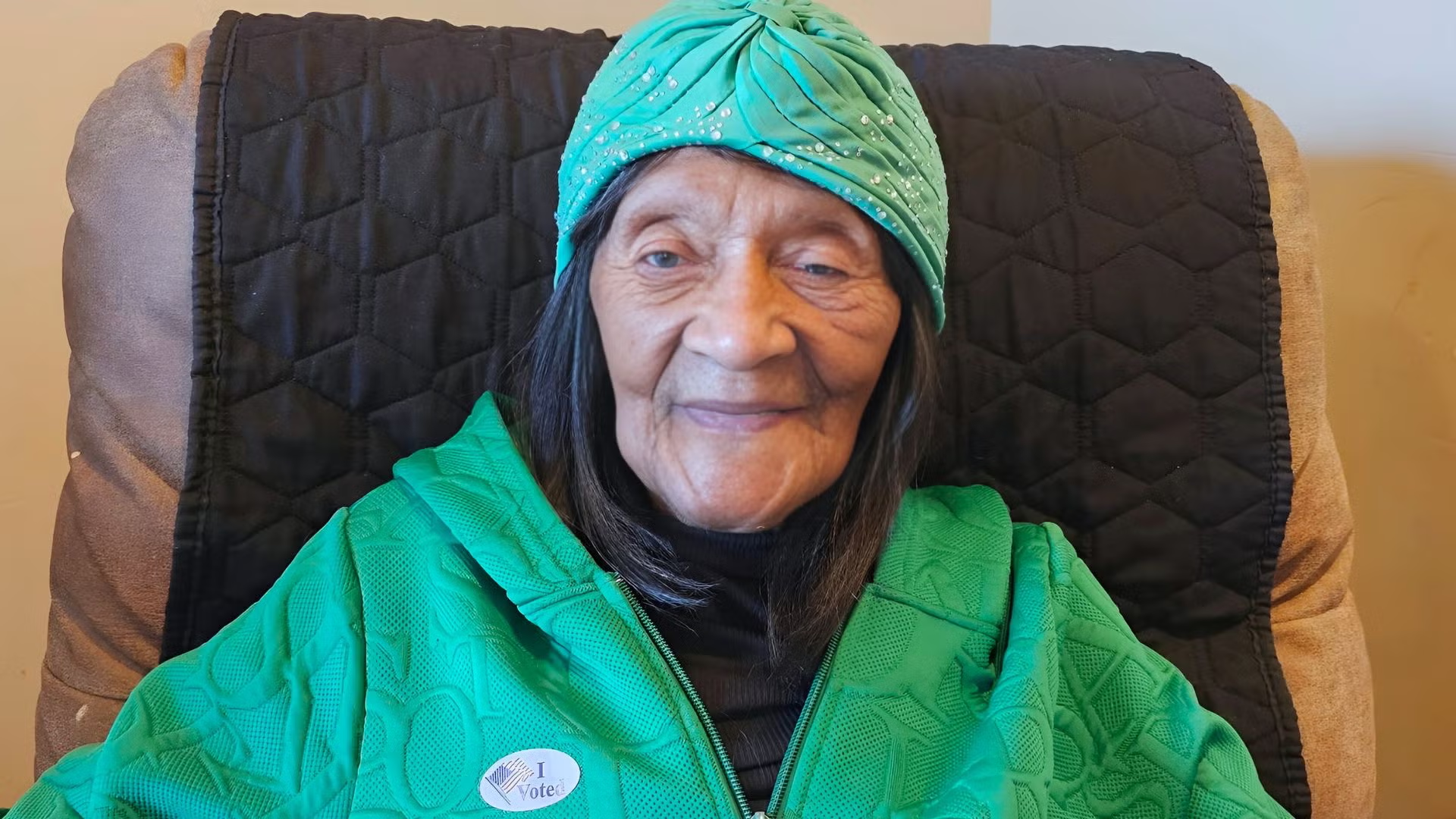
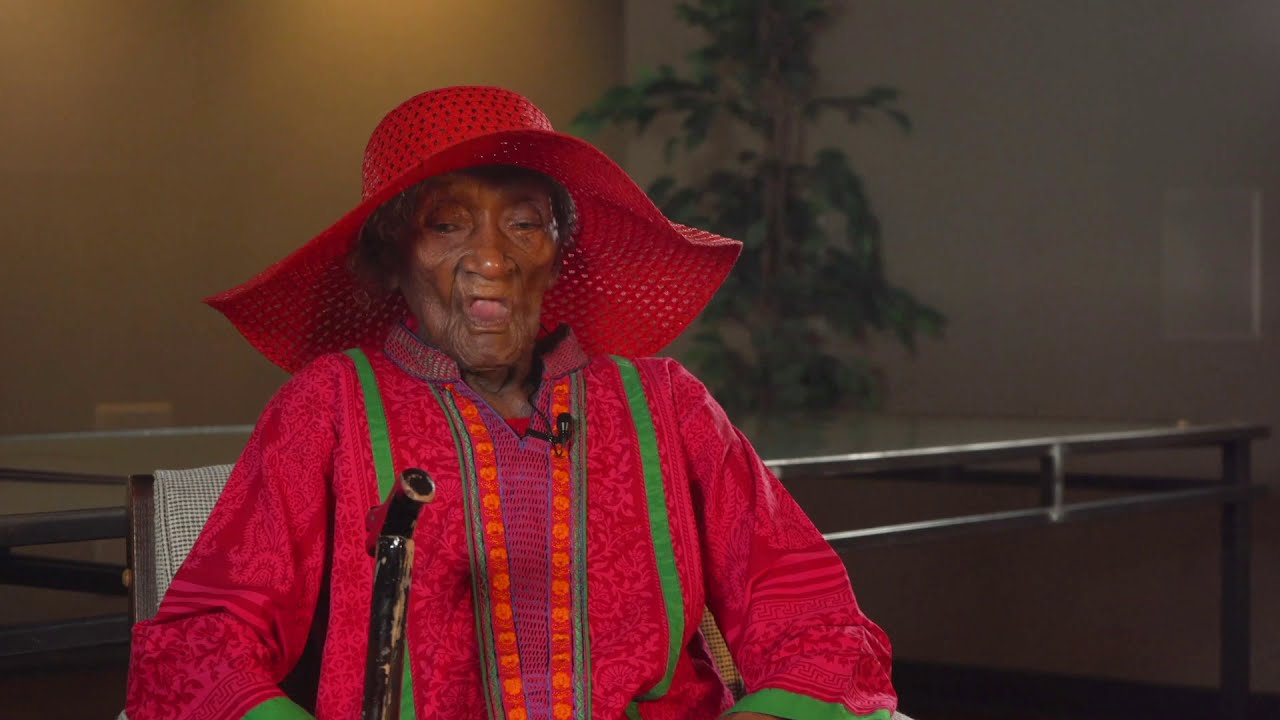
Beyond her activism and her memory, Lessie became known for something that radiated joy and elegance: her hats. She owned more than eighty of them, each one a statement of dignity, tradition, and spiritual expression. In Black church culture, hats are not merely accessories; they are symbols of celebration, reverence, and identity. They embody the pride and creativity of Black women who adorn themselves with beauty even in the face of adversity. For generations of Black women, the hat has been a crown—an outward expression of inner worth, an inheritance passed down through families, and a visible marker of cultural resilience. When Lessie stepped into a room wearing one of her radiant hats, people felt her presence before she spoke. The hats reflected her personality: bold yet graceful, vibrant yet grounded, fashionable yet deeply meaningful. Each hat carried a piece of her story, as if woven into the fabric were fragments of faith, memory, and survival. For many who met her, the image of Mother Randle in her hats became inseparable from the image of Greenwood rising again.
In a remarkable and creative gesture of cultural remembrance, Mother Randle has been immortalized as a custom Funko Pop figurine. This miniature representation, dressed in a red and black coat adorned with pearls and crowned with a wide-brimmed hat, stands as a modern tribute to a historical icon. For a survivor of a massacre that the nation once tried to erase to be represented in the accessible language of pop culture is an extraordinary moment. It extends her presence to new generations and new spaces, transforming her legacy into something that can sit proudly on shelves, desks, and display cases. It invites children and young adults—those who may never encounter her story in traditional classrooms—to learn who she was and what she survived. Surrounded by superheroes, cartoon characters, and fictional icons, the Funko Pop of Mother Randle asserts that real history is just as powerful, if not more so, than anything imagined. It is a symbolic act of cultural reclamation, a reminder that Black stories deserve visibility in every medium.
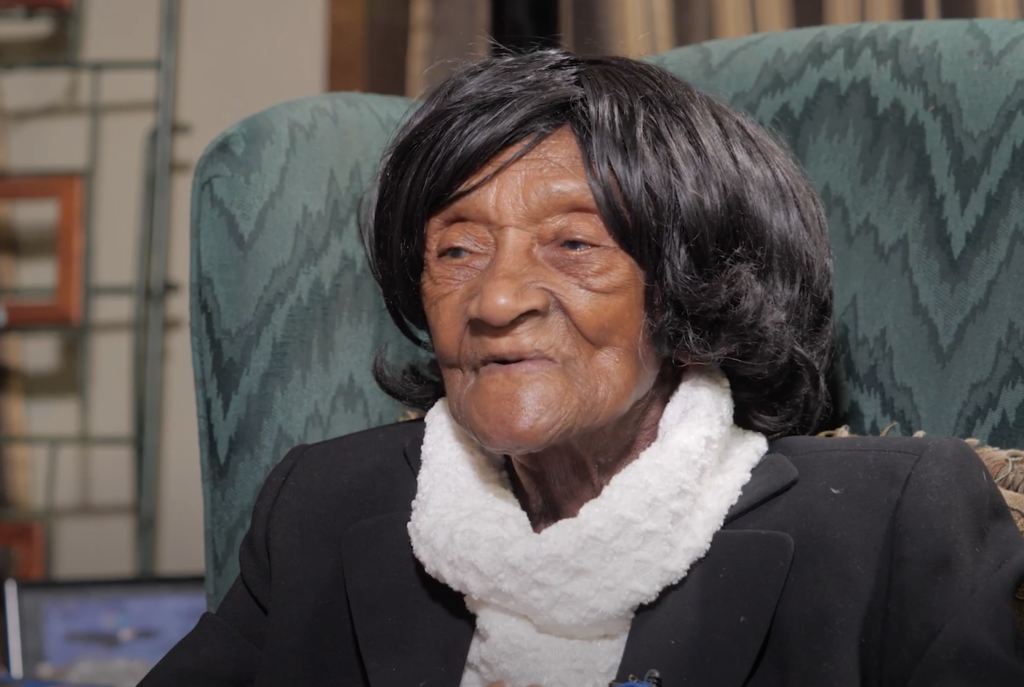
Through her long and extraordinary life, Mother Randle has become a bridge across time. She connects those who lived through the trauma of Greenwood with those who study it today. Her existence defies the erasure that so many forces attempted to impose. She stands as a living corrective to the incomplete narratives that once dominated the historical record. Her memories offer a window into a world that was not only destroyed but nearly forgotten. In her voice, generations hear the echoes of a community that refused to disappear.
Her influence extends beyond history into the realm of moral and cultural responsibility. She teaches that memory is not a passive act of recollection but an active practice of holding truth. In African diasporic traditions, the act of remembering strengthens the living, honors the ancestors, and preserves wisdom for the future. By speaking openly about her experiences, she transforms trauma into testimony, testimony into awareness, and awareness into potential change. She embodies the belief that bearing witness is one of the highest forms of resistance, a way of ensuring that injustice is neither repeated nor ignored.
Her life also challenges the notion that survival alone is enough. For Mother Randle, survival must be paired with accountability. She has consistently advocated for reparations, arguing that moral recognition without material restoration is incomplete. Her advocacy makes clear that justice must be more than symbolic. It must address the generational harm caused by displacement, dispossession, and trauma. By lending her voice to legal cases and public campaigns, she ensures that the pursuit of justice continues long after the massacre itself.
Living more than a century has given Mother Randle a rare perspective on change. She witnessed the Jim Crow era, the Civil Rights Movement, the rise and fall of segregation, and the shifting landscape of American discourse on race. She has observed moments of progress alongside persistent patterns of injustice. But through it all, her faith has remained unshaken. She speaks often about the power of belief, the strength of community, and the necessity of hope. Her faith has guided her through grief, memory, and reflection, grounding her in the knowledge that she has lived through events designed to break her, yet she stands unbroken.
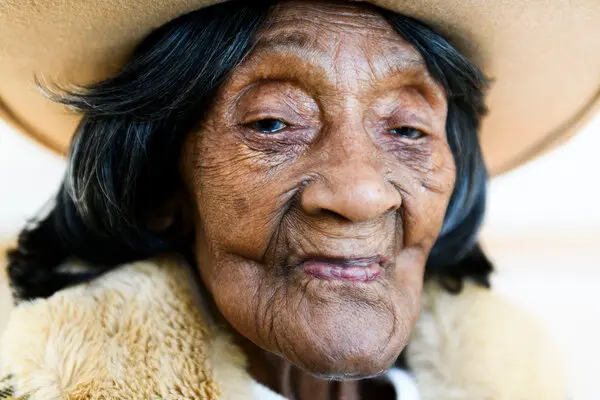
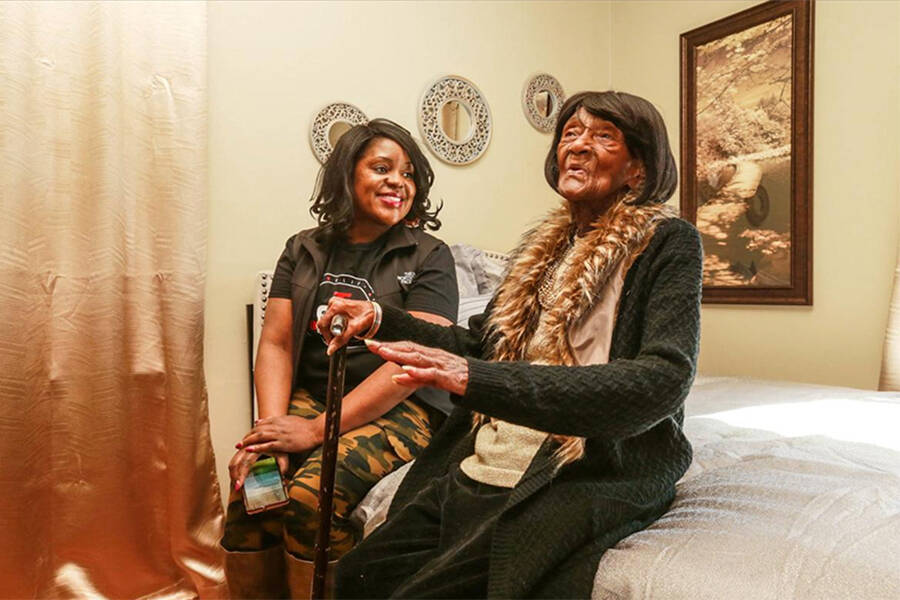
The power of her presence cannot be overstated. When she enters a room, there is a sense of reverence. Those who meet her often describe feeling as though they are touching history itself. Her eyes, deep with experience, carry the stories of thousands whose voices were silenced. Her hands have held the hands of elders who lived through the massacre and the hands of children who will one day tell their own stories. She is a living link between past and present, a reminder that history breathes through the people who lived it.

As the world continues to engage with the story of Greenwood, Mother Randle’s legacy stands at the forefront. Her life ensures that the massacre is no longer hidden or denied but acknowledged as a critical chapter in American history. Her voice encourages educators to teach the truth, policymakers to confront injustice, and communities to stand united against the forces of hatred and suppression. Her example inspires younger generations to pursue truth with courage, to fight for justice with persistence, and to honor their ancestors with integrity.
Every year that she continues to live is a testament to resilience itself. At one hundred and eleven years old, she carries the memories of a world that no longer exists and the wisdom of a century that has transformed around her. Her presence is a living challenge to historical amnesia. She symbolizes the power of endurance, the sanctity of truth, and the unbreakable strength of the Black spirit.
Her life teaches that remembrance is a form of resistance. To remember Greenwood is to resist the forces that sought to destroy it. To remember the survivors is to resist the erasure that followed. To remember the massacre is to resist the complacency that allows injustice to persist. Mother Randle’s story reminds us that history is shaped not only by documents and monuments but by the voices of those who lived through its darkest hours.
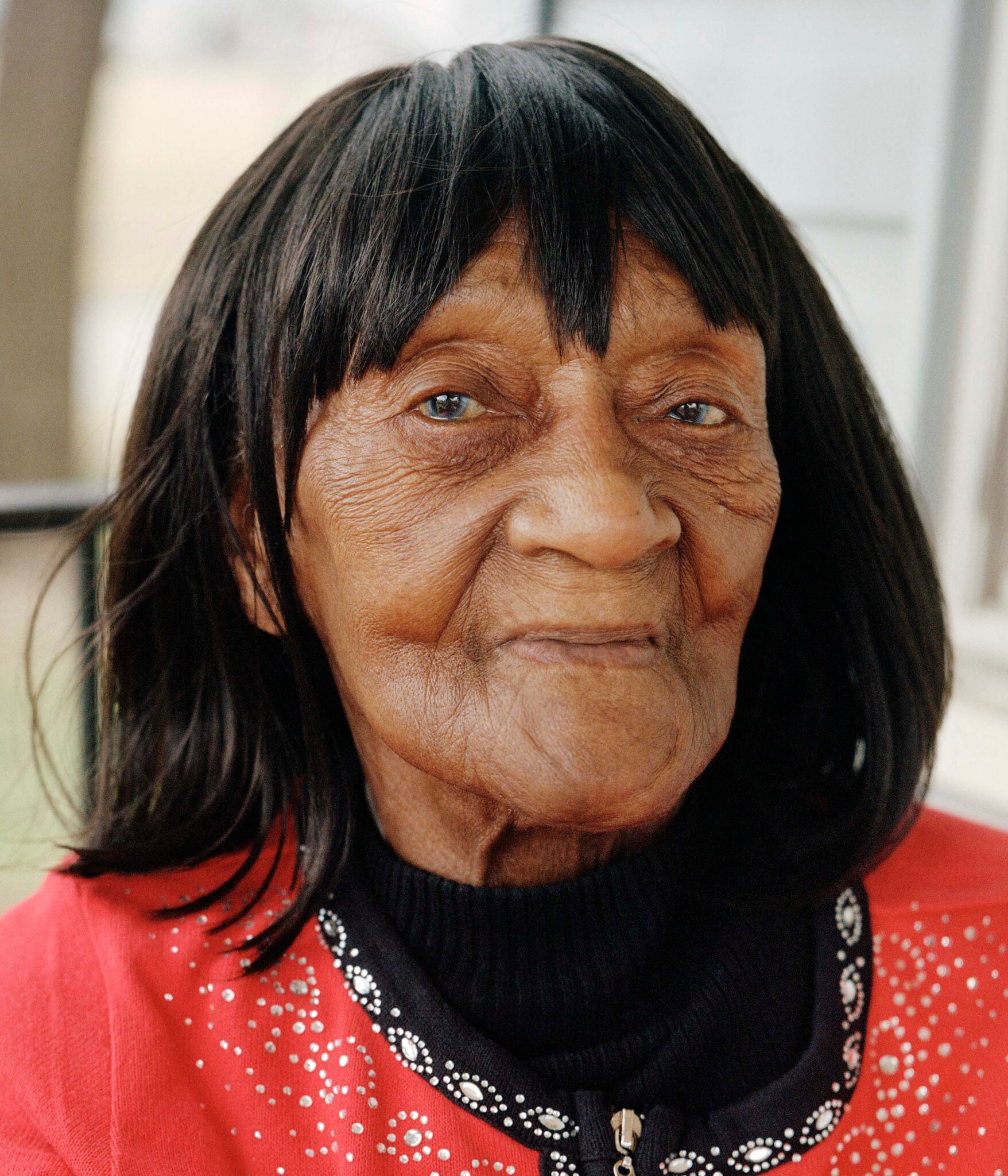
Her legacy also underscores the importance of intergenerational connection. Young people who encounter her story learn that their lives are part of a larger continuum, shaped by the struggles and triumphs of those who came before them. They learn that resilience is not a solitary act but a collective inheritance. They learn that the dreams of Greenwood—dreams of economic independence, communal prosperity, and cultural brilliance—are not relics of the past but aspirations worth pursuing today.
As we reflect on her long and remarkable life, Mother Lessie Benningfield Randle stands as a beacon of hope, justice, and spiritual endurance. She reminds us that even in the face of horrific violence, the human spirit can endure. She reminds us that truth is a force more powerful than fire. She reminds us that the past lives not in silence but in the voices of those who refuse to forget.
And ultimately, she reminds us of something simple yet profound: we must remember. We must carry the stories forward. We must honor those who suffered. We must challenge injustice wherever it appears. We must build a world where Black dreams are not destroyed by flames but nurtured to their fullest brilliance. Mother Randle’s life is a guiding light, illuminating the path from memory to justice, from trauma to transformation, from history to hope.
Her message endures through every retelling, every interview, every documentary, every Funko Pop figurine, every hat, and every softly spoken word. She teaches us that memory is love, truth is power, and resilience is our inheritance.
And so her voice continues, steady and clear: We must never forget, and we must never stop fighting for a world where Black dreams rise unburned into their full and magnificent brilliance.
Epilogue
By LaDonna Penny
LessieBenningfieldRandle@blackwallstreet.org
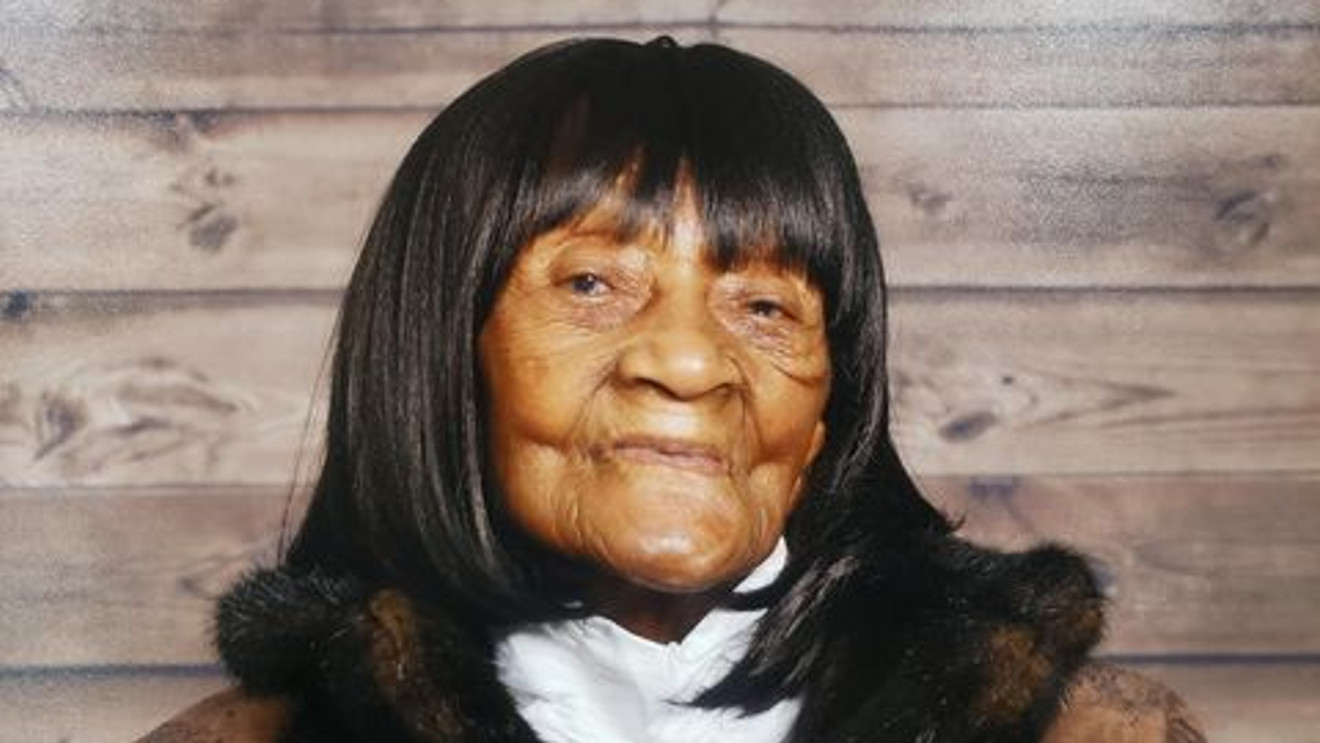
On November 10, Mother Lessie Benningfield Randle celebrated her 111th birthday—a milestone few will ever reach, but one that befits a woman whose life embodies resilience, dignity, and the enduring pursuit of justice. A native of Tulsa, Oklahoma, Mother Randle is not only one of the oldest living Americans but also one of the last known survivors of the 1921 Tulsa Race Massacre—one of the most devastating racial atrocities in U.S. history.
Lessie Benningfield, also known as Mother Randle, was born in Grayson, Oklahoma on November 10, 1914, to George Washington Benningfield and Kizzie Mae (Katie) Broadus. Her parents were farmers; she had three sisters and a brother. She had three sons, Warner, Paul, and Phillip; and two daughters, Wanda and Cathy. She also raised her aunt's daughter, Doris, as her own. She spent most of her childhood and young adulthood in Tulsa with her grandmother, Mary Jane (Mollie) Carliss Benningfield and graduated from Booker T. Washington High School.
Mrs. Randle was just six years old when white mobs descended on the thriving Black neighborhood of Greenwood—known as "Black Wall Street"—destroying homes, businesses, churches, and lives. Though she was a child at the time, the trauma of that night never faded. "I still see Black men being shot, Black bodies in the street. I still smell smoke and see fire," she testified before Congress in 2021.
For decades, Randle lived a quiet life, raising a family and nurturing her community, even as the massacre remained largely unacknowledged by history books and public discourse. But in her later years, Mother Randle rose to national prominence as a vital voice in the movement for historical truth and reparative justice. At age 106, she courageously stood before lawmakers and the world to share her testimony, demanding that America reckon with its past and repair the harm inflicted on Tulsa's Black residents.
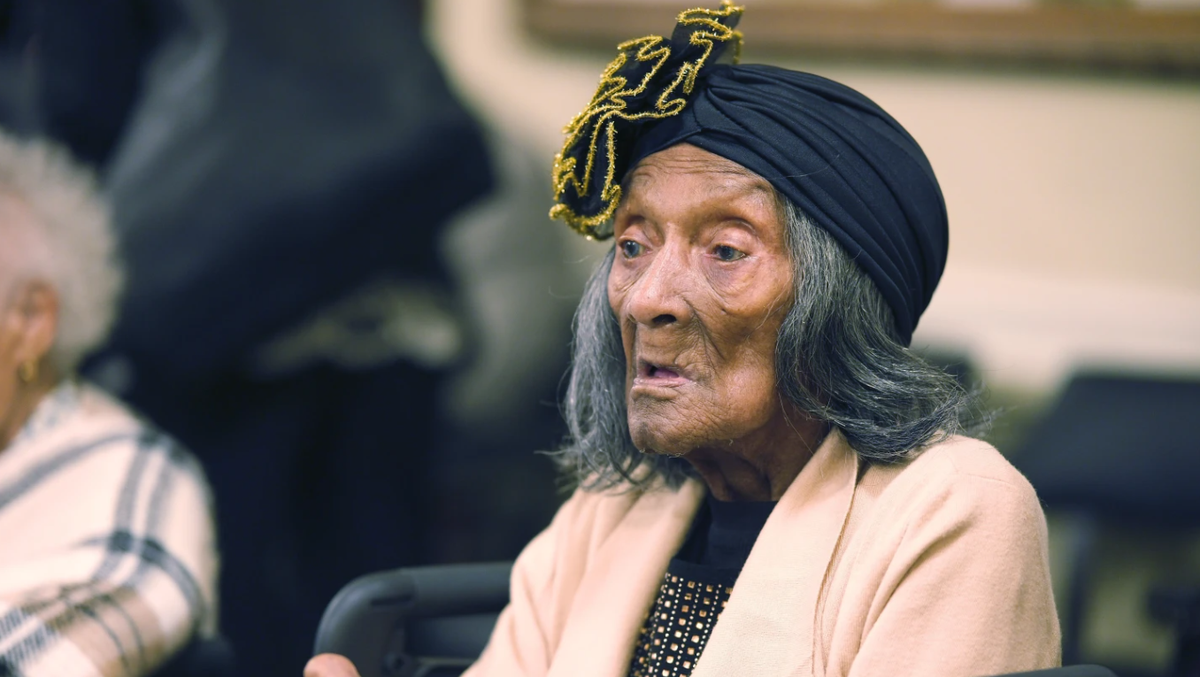
Her presence alone is a testament to the enduring spirit of those who built Greenwood and the generations that followed. More than a survivor, Mother Randle is a living monument to memory, strength, and truth. As she celebrates her 111th birthday, her legacy continues to grow—not just as a witness to history, but as a force shaping it.
In a time when so many seek clarity and justice, the life of Mother Lessie Benningfield Randle offers both. She reminds us that true healing requires remembering—and that remembrance must always lead to action.
Mother Randle is the oldest living survivor of the 1921 Tulsa massacre.