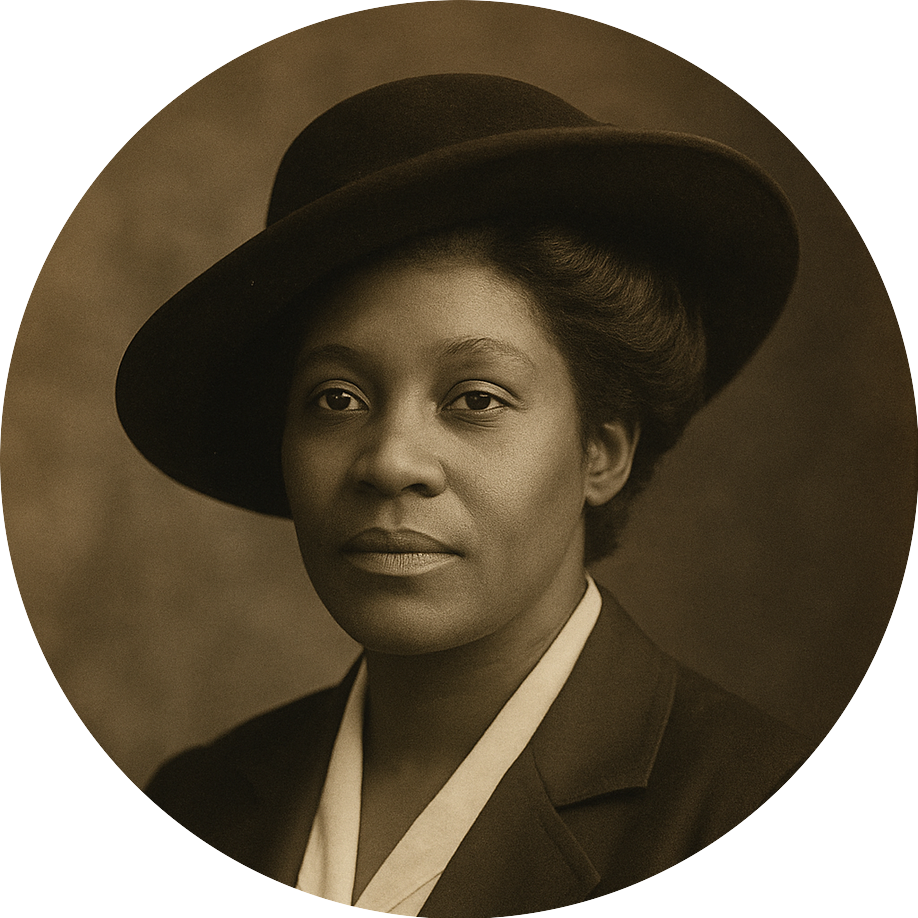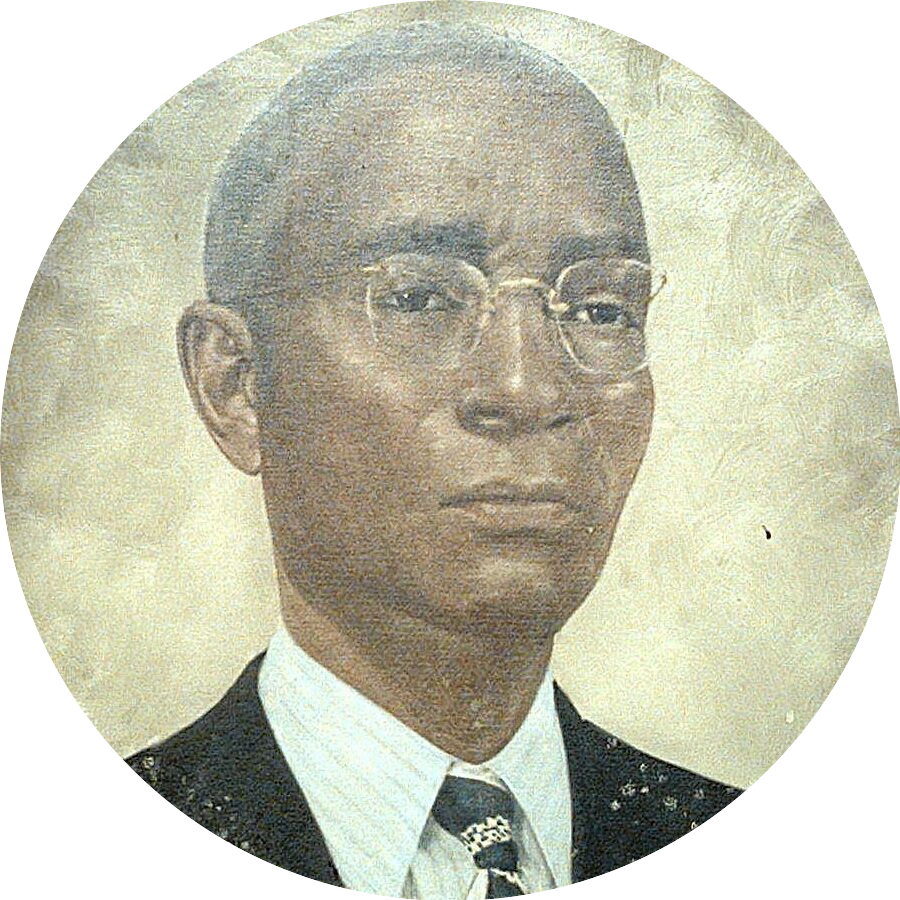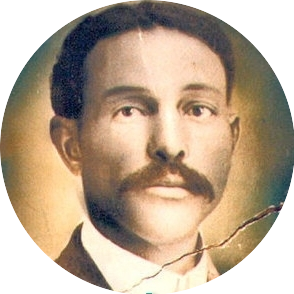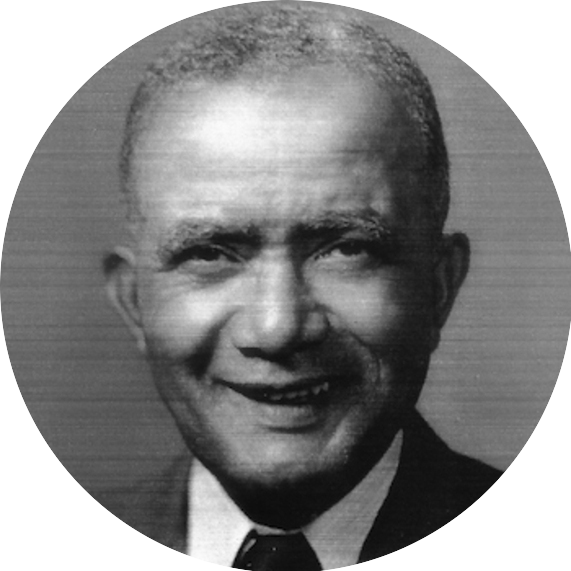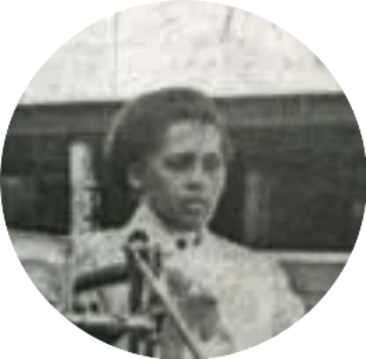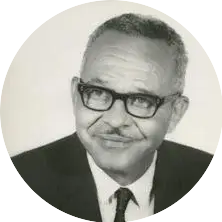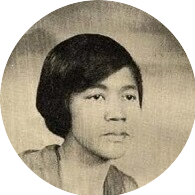
Emma Evans Gurley was born around 1870 in Tennessee during the period of Reconstruction, a time of great upheaval and transition for African Americans in the United States. Though details of her early life are scarce, it is likely that she relocated to Arkansas before she turned 18. It was there, as accounts suggest, that she met her future husband, Ottowa “O.W.” Gurley, whom she described as her "childhood sweetheart."
In a time when marriage represented more than a personal union, for Emma and O.W., it was a partnership that would fuel their entrepreneurial dreams and collective vision for a prosperous Black community. On January 25, 1888, in Jefferson, Arkansas, Emma Evans married Ottowa W. Gurley, and together they embarked on a life defined by ambition and perseverance. Arkansas, like much of the South, was steeped in the legacy of slavery, with African Americans facing entrenched discrimination through Black Codes and a racially unjust legal system. The Gurleys, however, were undeterred by these challenges, and soon began to seek new horizons.
In the late 19th century, the call of Indian Territory (modern-day Oklahoma) beckoned African Americans looking for better opportunities away from the oppressive conditions of the southern states. Emma and O.W. were among those drawn by this promise of new possibilities. By 1893, they participated in the Cherokee Outlet Opening, one of the largest and most famous land runs in U.S. history. Thousands of settlers raced to claim land, and the Gurleys successfully staked a plot that would eventually become the town of Perry, Oklahoma.
However, it was not land alone that interested the Gurleys—it was the burgeoning opportunities in the thriving oil town of Tulsa that captured their attention. There, they saw the potential to build wealth and create a community that defied the racial barriers of the day. They soon acquired 40 acres of land north of the Frisco railroad tracks, an area that would become known as Greenwood, a vibrant Black district that came to be known as "Black Wall Street."
While O.W. Gurley is often credited with being one of the founders of Greenwood, Emma’s contributions to the community were equally significant. Unlike many women of her time who were relegated to the domestic sphere, Emma was a full partner in the Gurleys' business endeavors, engaging in land purchases, running businesses, and establishing herself as a respected figure in Greenwood. Emma’s name appears on numerous property records from the early 1900s, underscoring her active role in shaping the economic landscape of the district.
In 1905, Emma purchased two lots in her name, demonstrating her independence and financial acumen. A year later, in 1906, she bought additional property from Giuseppe “Joe” Piro, a white local, further expanding the Gurleys' holdings. These transactions reflect Emma’s strategic mindset in acquiring assets in a rapidly growing community.
One of Emma’s most notable business ventures was the Gurley Hotel, where she served as proprietress. The hotel became a cornerstone of the Greenwood district, attracting both Black and white patrons despite the rigid segregation of the era. Emma's management of the hotel was widely respected, and her leadership became a point of pride for the community. Articles published during her lifetime praised her character and the hard work she invested in the hotel.
Emma’s resolve was also tested during an infamous incident when three white men approached her at the hotel, asking for “good time girls.” Emma refused their request, and when O.W. Gurley learned of the encounter, he personally confronted and ejected the men from the hotel. The event, while a small episode, highlighted the Gurleys' determination to maintain dignity and respect in the face of racial prejudice.
In addition to her business accomplishments, Emma was heavily involved in civic life. She took on leadership roles in several influential organizations, including the Sisters of the Mysterious Ten (S.M.T.), a secret society Masonic order in Muskogee. In 1920, she served as the Grand Treasurer of this organization, a role that underscored her financial expertise and respected status within the community.
Emma was also an active member of the Order of the Eastern Star, an organization affiliated with the Masonic Lodge that provided women with opportunities for charitable work and leadership. In 1914, she was elected Associate Matron of the Oklahoma chapter, further solidifying her influence among Black women in the state.
Her spiritual life was equally rich. Emma and O.W. were devoted members of the First Baptist Church in Greenwood, where they worshipped and participated in community-building activities. In 1918, she attended the National Baptist Convention in St. Louis, an important gathering of African American churches that organized missions and other philanthropic endeavors. Emma likely played a significant role in the Women’s Convention Auxiliary, which was known for its activism in advancing education and social justice for African Americans.
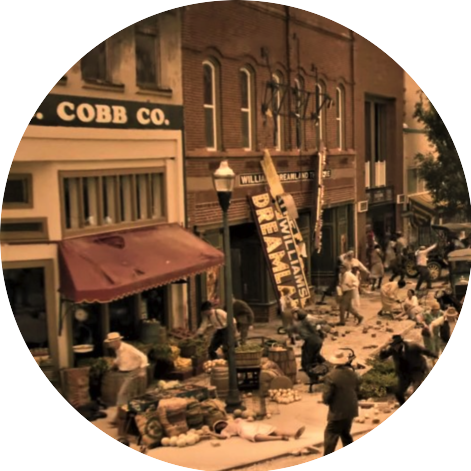
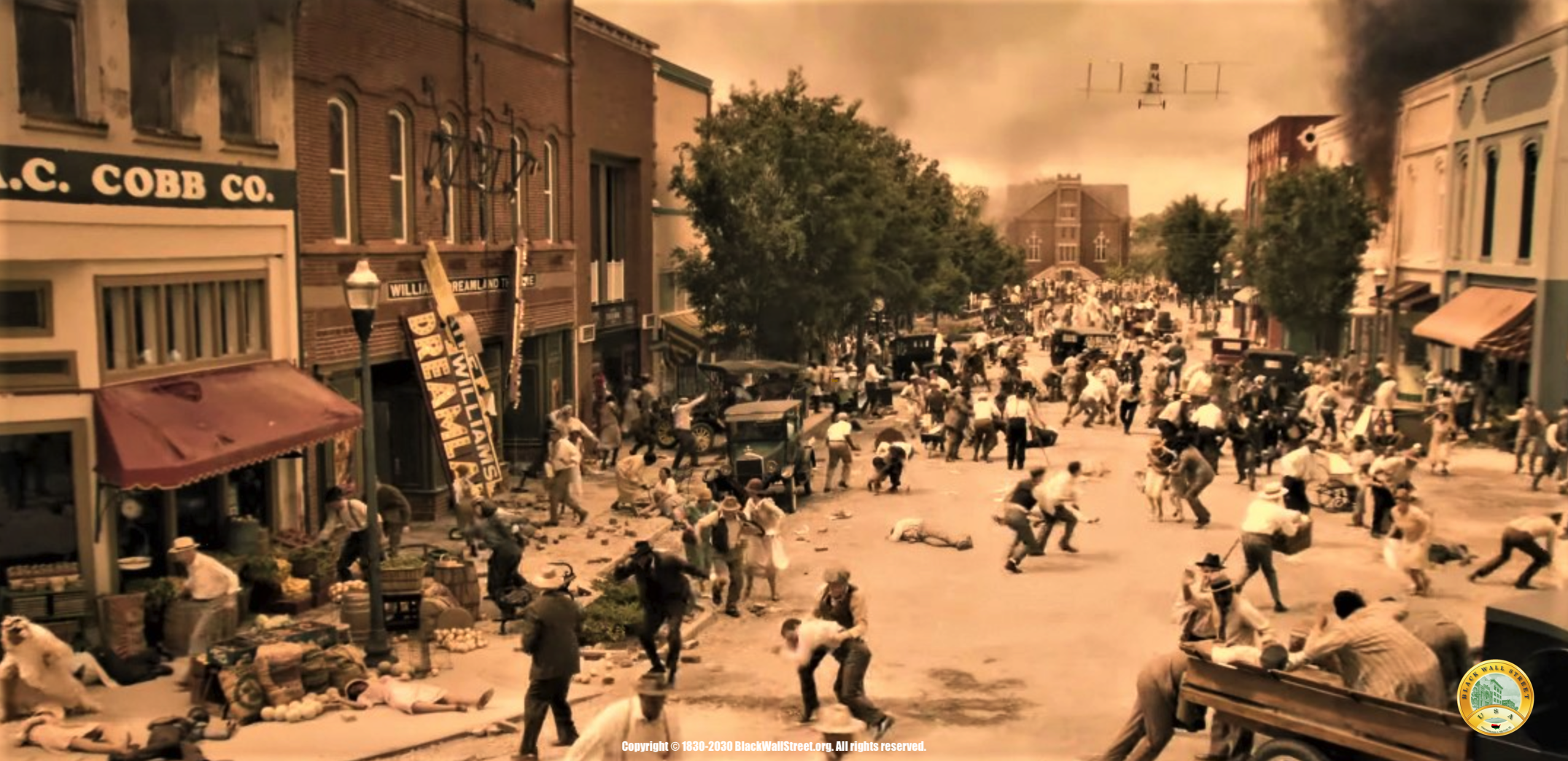
The events of May 31 to June 1, 1921, marked a devastating turning point in the lives of Emma and O.W. Gurley. The Tulsa Race Massacre, one of the worst incidents of racial violence in U.S. history, saw the destruction of Greenwood at the hands of a white mob. The Gurleys' hotel became a refuge for Black residents fleeing the violence. As the mob looted and burned businesses and homes, Emma offered her hotel as a shelter, demonstrating her unwavering commitment to her community.
When the rioters reached the hotel, they forced everyone out and set the building on fire. Emma and O.W. fled for their lives, but in the chaos, Emma fell. Worried more for her husband's safety than her own, she urged O.W. to keep running. The couple later reunited at McNulty Park, one of the hastily formed shelters where Black residents were held "for their protection" but effectively against their will.
The massacre not only destroyed Greenwood but also wiped out much of the Gurleys' wealth. Their losses were valued at over $250,000, equivalent to approximately $3.4 million today. Devastated by the destruction and the loss of their once-thriving businesses, Emma and O.W. saw no future for themselves in Tulsa. Like many other survivors, they joined the Great Migration, moving west to Los Angeles in search of new opportunities.
In Los Angeles, the Gurleys lived in a four-bedroom home in the southern part of the city, joining other Black migrants from the South seeking a fresh start. They opened a hotel, a nod to their former success in Greenwood, though official records list Emma as a maid. The Gurleys' life in California was quieter, and little is known about their later years. It is believed they did not maintain contact with many of their former Greenwood neighbors, who had assumed that O.W. died during the massacre.
On February 21, 1938, Emma Gurley passed away at the age of 68. Her life as a pioneering businesswoman, community leader, and partner in the building of Black Wall Street remains underappreciated. As historians continue to uncover the stories of Greenwood, it is essential to recognize the role that women like Emma played in shaping the economic and social fabric of their communities. Emma’s legacy endures as a testament to resilience, determination, and the unyielding spirit of Black entrepreneurship.