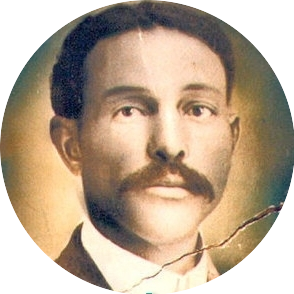
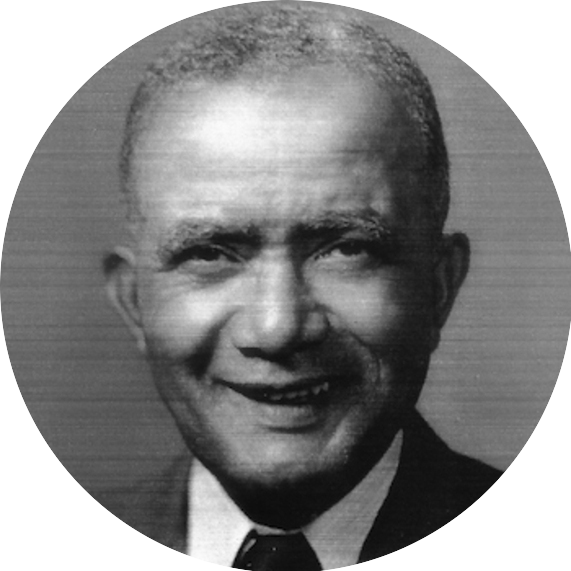
Simon E. Berry - A Man of Resilience and Innovation
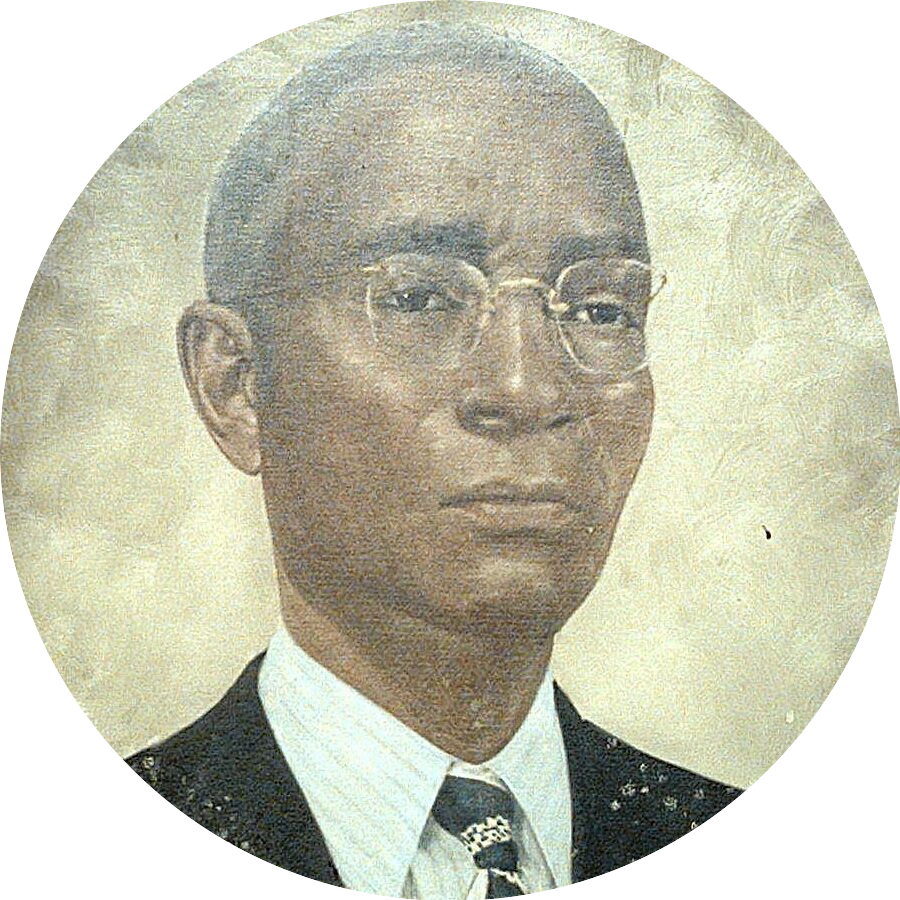
Simon E. Berry’s life and accomplishments form an extraordinary narrative of resilience, innovation, and determination against the backdrop of racial segregation and economic disparity in early twentieth-century America. Born on July 6, 1890, in Grenada, Mississippi, Berry became a pioneering African American entrepreneur in Tulsa, Oklahoma. His ventures crossed transportation, mechanics, aviation, hospitality, recreation, employment, and community development, making his story one of the clearest examples of how Black entrepreneurship could become a form of community infrastructure.
Berry’s early years were shaped by the post-Reconstruction South, where opportunities for African Americans were severely restricted. His aptitude for mechanics became an important foundation for his later career. The supplied account states that he taught automobile mechanics at West Tennessee College before relocating to Tulsa in 1915. This technical background mattered because the automobile was transforming American life. Berry understood machines at a moment when mobility itself was becoming a new source of economic power.
When Berry arrived in Tulsa, Greenwood was developing into a major Black commercial district. Segregation, however, meant that Black residents were frequently excluded from services available to white residents. Berry recognized transportation as a practical problem and an economic opportunity. In 1916 he established a jitney service with a Model T Ford, charging a nickel for rides through Greenwood. Tulsa Public Library confirms that the service developed because city taxi service did not adequately serve Black residents and that Berry later expanded the operation into a bus line.
The nickel jitney was more than a small business. It gave Greenwood residents mobility. Workers could reach jobs, customers could reach stores, families could travel, and businesses could connect with people beyond a few blocks. Transportation is often invisible when it works, but it becomes immediately important when access is denied. Berry understood that a community cannot fully participate in an urban economy if its people cannot move through the city.
Berry expanded from the Model T to a larger transportation network. Historical accounts describe additional routes, buses, a garage on Archer Street, and the training of mechanics. Tulsa Public Library reports that he eventually secured a city franchise and operated buses downtown. At the height of the enterprise, he was reported to have earned as much as five hundred dollars per day. That figure should be treated as a historical estimate rather than an audited financial statement, but it conveys the substantial scale of the operation.
The garage was as important as the buses. Berry was a skilled mechanic, and the business allowed him to turn technical knowledge into employment and vocational education. He trained mechanics who could maintain vehicles and develop skills useful beyond his own company. This transformed the transportation enterprise into a workforce-development institution. A business that teaches people how to work with modern technology can have an impact far beyond its payroll.
Berry’s wife, Alma Pitman Berry, was also part of the enterprise. The supplied article identifies her as treasury secretary of the Berry Bus Line Company Inc., and later historical research places Simon and Alma together in Tulsa from the mid-1910s. Her role is important because the history of Black entrepreneurship often becomes overly centered on individual male owners even when family members performed essential administrative and financial work. The Berry enterprise should be understood as a network of people rather than the achievement of one person acting alone.
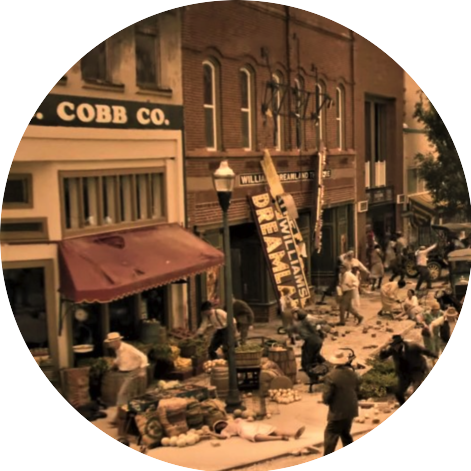
The Tulsa Race Massacre of 1921 changed Greenwood forever. Homes and businesses were destroyed, people were killed, and a thriving Black commercial district was devastated. The Federal Reserve Bank of Kansas City describes the destruction as a profound economic blow. Historical accounts also associate Berry’s jitneys with helping residents escape the violence. The exact number of people he assisted is not established in the sources reviewed here, but the broader significance is clear: transportation infrastructure built for ordinary commerce became a potential lifeline during catastrophe.
Berry’s continued entrepreneurship after the massacre is central to his legacy. Greenwood’s rebuilding required capital, workers, transportation, customers, and determination. Berry’s businesses helped restore economic circulation. His story therefore cannot be reduced to what existed before 1921. He represents the second phase of Greenwood’s history as well: the effort to rebuild after destruction and continue creating institutions in a city where racial violence had demonstrated how vulnerable Black prosperity could be.
Berry’s entrepreneurial ambitions extended into aviation. The supplied article states that he earned a pilot’s license in 1925 and partnered with James Lee Northington in a charter aviation service. The Federal Reserve Bank of Kansas City likewise describes Berry as chartering private planes for oil barons. A 2025 Black Wall Street Times report described him as an early Black aviator and noted educational efforts using his story to introduce students to aviation. These sources establish his importance in early Black aviation even though some precise claims about being the first Black-owned airline require cautious wording.
The claim that Berry operated the first Black-owned airline service appears in the supplied article and on BlackWallStreet.org, but definitions of airline, charter operation, and aircraft ownership differ among historical sources. A careful formulation is that Berry was an early Black aviation entrepreneur who operated a Black-owned charter service and is often credited with pioneering aviation business in Tulsa. This qualification does not diminish his achievement. It makes the historical account more reliable by separating documented accomplishments from superlatives that are difficult to prove conclusively.
Aviation was a remarkable field for a Black entrepreneur to enter during the 1920s. Aircraft were expensive, aviation technology was still developing, and trained pilots were comparatively rare. Berry’s mechanical background gave him a useful technical foundation. His aviation work also connected him to Tulsa’s oil economy by serving wealthy clients. He did not need to own an oil company to participate in the economic network created by petroleum wealth. He could create value by providing transportation to people with capital.
Berry’s park was another expression of his community investment. The supplied account and Tulsa Public Library identify a thirteen-acre park developed in 1926 with a swimming pool, dance hall, picnic grounds, and other recreational features. The article states that Berry later gave the park to the city in 1929. The park demonstrates that his understanding of community prosperity extended beyond commerce. People needed places to gather, celebrate, swim, dance, picnic, and build relationships.
Some secondary accounts give different acreage figures for Berry Park. Because Tulsa Public Library supports the thirteen-acre figure and the supplied article gives the same figure, this expanded account uses thirteen acres while recognizing that later reporting has differed. Historical writing becomes stronger when discrepancies are acknowledged rather than hidden. The same principle applies to uncertainty about Berry’s later life and the precise date of his death.
Berry was also associated with Greenwood’s Royal Hotel. Tulsa Public Library identifies him with the hotel, and later historical accounts include it among his businesses. Transportation and hospitality naturally complemented one another. Visitors needed places to stay, businesspeople needed places to meet, and a growing commercial district needed institutions capable of receiving travelers. Berry’s portfolio therefore reveals a pattern of connected enterprises rather than unrelated ventures.
The breadth of Berry’s businesses demonstrates a systems-oriented form of entrepreneurship. His vehicles needed mechanics. His mechanics needed training. His routes needed drivers. His customers needed reliable service. His aviation venture needed technical knowledge and clients. His park created a community destination. His hotel interests served visitors. Each activity supported a broader economic network. This is why Berry’s contribution is best understood as institution-building through business.
Greenwood’s economy was not completely independent of the rest of Tulsa. Many Black residents worked outside the district and brought their wages back into the community. Segregation restricted equal participation in the wider economy while simultaneously concentrating Black consumer activity within Greenwood. Berry’s transportation network reflected this complicated relationship. His buses connected Greenwood to downtown and therefore helped residents participate in Tulsa’s broader labor market while maintaining a strong Black commercial base.
Berry’s life also illustrates the importance of migration. He was born in Mississippi, taught mechanics in Tennessee, and moved to Tulsa in 1915. This movement reflects the broader migration of African Americans seeking opportunity in new communities. Migrants carried skills, knowledge, ambitions, and social networks with them. Berry brought mechanical expertise to a rapidly expanding Oklahoma city and transformed that expertise into businesses that affected thousands of people.
The story of Berry belongs to a larger history of Black institution-building. Greenwood contained businesses, schools, churches, newspapers, professional offices, entertainment venues, hotels, and other institutions. Berry’s transportation network was one part of that ecosystem. He did not create Greenwood by himself, and Greenwood did not depend upon one entrepreneur. Its strength came from many people building complementary institutions. Berry’s distinctive contribution was the way he connected transportation, technology, employment, and community investment.
The original article places Berry within a global history of Black resilience and compares his work with figures such as Marcus Garvey and Sol Plaatje. The comparison is useful when it remains grounded in differences. Garvey worked through international Black organization and economic self-reliance; Plaatje worked through journalism and political advocacy; Berry worked through transportation, mechanics, aviation, and local institution-building. Their methods differed, but each demonstrates the recurring determination of Black people to create agency under systems of racial restriction.
George Washington Carver provides another useful comparison because both men transformed technical knowledge into practical benefits. Carver worked in agricultural science; Berry worked in mechanics and transportation. Their fields were different, but both show why technical education can become a foundation for economic empowerment. A skill becomes especially powerful when it can be taught to others and converted into employment, enterprise, and community capacity.
The Harlem Renaissance provides a cultural parallel. While Greenwood represented economic and institutional achievement, Harlem became internationally recognized for literature, music, art, and intellectual life. These developments were not identical, but both challenged racist assumptions about Black capacity. Berry’s transportation system and aviation work were material expressions of the same broader desire for self-determination that appeared in cultural and intellectual movements of the era.
The history of Berry should not romanticize segregation. His success was not proof that discrimination was beneficial. It was evidence of what Black people built despite discrimination. Segregation created the conditions that made his alternative transportation service necessary, while his own ingenuity transformed that necessity into a substantial enterprise. The correct historical lesson is that oppression imposed barriers and Berry responded with creativity and determination.
Berry’s story also demonstrates that ownership matters. A community that owns businesses and infrastructure has more control over its economic future. Berry could decide whom his transportation service would serve, train workers, develop routes, and reinvest resources. His ownership did not make Greenwood independent of Tulsa, but it gave the community a measure of practical control within a discriminatory environment.
The reported sale of Berry’s bus operation to the City of Tulsa is another important part of the legacy. Tulsa Public Library confirms that he eventually sold the bus line to the city. A secondary historical account reports that the sale was conditioned on Black riders being permitted to use the service and Black drivers continuing to operate Greenwood routes. Because the complete transaction record is not included in the sources reviewed here, the reported conditions should be presented as a historical account rather than an unquestionable contractual fact.
Berry’s career offers a modern lesson in identifying neglected markets. The existing transportation system had failed to serve Black residents equally. Berry did not interpret that exclusion as proof that the market was unimportant. He recognized that the people being excluded were customers with real needs. His solution created value while challenging the assumption that Black consumers could be ignored.
The same principle appears in his aviation work. Tulsa’s oil economy produced wealthy customers who needed rapid transportation. Berry recognized an opportunity and applied his transportation knowledge to an emerging technology. Innovation often begins this way: a person understands an existing problem and sees how a new tool can solve it. Berry’s airplane was therefore not simply a symbol. It was an extension of a transportation business strategy.
Berry’s career also demonstrates the value of diversification. He did not remain dependent upon a single Model T. He expanded to buses, mechanics, aviation, recreation, and hospitality. These activities were related to his core knowledge and customer base. Diversification can reduce risk while also creating opportunities for one business to support another. Berry’s portfolio shows how a successful enterprise can become a platform for additional ventures.
His community investment demonstrates that economic success can be measured by more than personal accumulation. The park transformed private resources into a public recreational asset. The training of mechanics transformed knowledge into human capital. Employment transformed business revenue into household income. Transportation transformed capital into mobility. These outcomes show why Berry’s legacy remains important even when precise financial records are unavailable.
The surviving record of Berry’s later life is incomplete. The supplied article states that he is believed to have died around 1941. Other sources also acknowledge that details of his death are scarce. This date should therefore be treated as reported rather than definitive. The uncertainty is a reminder of how many Black biographies depend upon scattered records. It also shows why continued archival research matters.
Recent research has added useful details about Berry’s family and business addresses, including accounts placing the Berry household in Tulsa and identifying business locations. Such findings should be treated according to the strength of the underlying records, but they demonstrate that his biography can still be expanded. City directories, census records, newspaper archives, property documents, aviation records, and family materials may reveal additional information about his life and employees.
The importance of preserving Berry’s story extends beyond Tulsa. Communities across the African diaspora have repeatedly built institutions in response to exclusion. Businesses, schools, hospitals, newspapers, transportation systems, cultural centers, and mutual-aid organizations have all served as forms of community capacity. Berry’s work belongs to this wider history because he built practical infrastructure that allowed people to move, work, trade, learn, and gather.
The most important lesson from Berry may be that innovation is not limited to inventions. Innovation can be a route, a service, a training program, a partnership, a business model, a recreational space, or a new application of technology. Berry’s nickel jitney was innovative because it solved a problem. His bus system was innovative because it scaled the solution. His aviation service was innovative because it carried the same transportation logic into the sky. His park was innovative because it converted private success into community space.
Berry’s story also challenges the assumption that Black history is only a history of protest. Protest is essential, but construction is also a form of resistance. Building a successful Black-owned transportation company in a segregated city contradicted racist assumptions about Black economic ability. Training mechanics created skilled workers. Owning an airplane challenged the idea that advanced technology belonged only to white Americans. Creating a park demonstrated that Black communities deserved beauty, recreation, and public recognition.
For young people, Berry offers a powerful example of how technical skill can become leadership. He began with knowledge of machines. He did not need to start with political power or inherited wealth. He used what he knew to solve a problem, developed customers, expanded operations, trained others, and entered new industries. His example suggests that entrepreneurship can begin with competence and service rather than with prestige.
For educators, Berry provides a multidisciplinary historical figure. His life can be studied through African American history, Oklahoma history, business history, transportation history, aviation history, labor history, technology, urban development, and the Tulsa Race Massacre. Few biographies connect so many subjects. That breadth is part of the reason his story deserves greater attention.
For communities, Berry offers a lesson in reinvestment. Successful businesses can create jobs, skills, mobility, and institutions. Private enterprise does not have to be separated from community well-being. Berry’s career suggests that the strongest economic development occurs when people can build businesses while also strengthening the social environment in which those businesses operate.
For historians, Berry is a reminder that documentary gaps do not erase significance. The surviving evidence is sufficient to establish his major contributions while leaving room for further research. The appropriate response to uncertainty is neither exaggeration nor dismissal. It is careful language, comparison of sources, and continued investigation.
Ultimately, Simon E. Berry should be remembered as a builder of mobility and possibility. He moved people through Tulsa, moved technical knowledge into new hands, moved transportation into aviation, moved private resources into public recreation, and helped move Greenwood toward recovery after catastrophe. His life demonstrates how one entrepreneur could connect technology, business, employment, and community service in ways that lasted beyond the immediate success of any one venture.
Berry’s legacy remains powerful because his achievements do not require mythology to be meaningful. The record already shows a man who created a nickel jitney service, developed a bus system, operated a garage, trained mechanics, entered aviation, partnered with James Lee Northington, invested in a park, participated in Greenwood’s broader rebuilding, and became part of Tulsa’s enduring Black Wall Street history. Some details remain uncertain, but the central achievement is clear. Simon E. Berry built institutions in a society that repeatedly tried to limit Black opportunity, and his life remains a testament to resilience, innovation, ownership, technical skill, and community investment.
Transportation and economic mobility becomes clearer when his businesses are viewed as parts of one connected strategy. He repeatedly identified a practical limitation and turned knowledge, equipment, relationships, and capital into a working institution. The Model T became a transportation service; the transportation service became a bus network; the mechanical enterprise became a source of training and employment; the transportation experience helped prepare him for aviation; and his accumulated resources supported community recreation. This pattern matters because it shows that Berry was not simply collecting businesses. He was building capacity. In a segregated society, capacity could mean the difference between dependence and practical choice. A reliable vehicle could connect a worker to employment. A trained mechanic could keep that vehicle operating. A bus route could connect Greenwood to downtown. An airplane could extend the range of commercial activity. A park could create a shared civic space. Berry’s legacy therefore belongs to the history of systems as much as the history of individual entrepreneurship. The surviving record does not preserve every detail of how he managed each enterprise, and responsible history must not invent missing facts. What it does preserve is a consistent pattern of transportation, technical knowledge, ownership, partnership, employment, and community investment. That pattern explains why his name continues to appear in Tulsa historical institutions, Black history publications, and educational programs. His achievement was not simply that he became successful; it was that his success produced infrastructure other people could use.
Simon E. Berry’s place in the history of the Model T and technological change becomes clearer when his businesses are viewed as parts of one connected strategy. He repeatedly identified a practical limitation and turned knowledge, equipment, relationships, and capital into a working institution. The Model T became a transportation service; the transportation service became a bus network; the mechanical enterprise became a source of training and employment; the transportation experience helped prepare him for aviation; and his accumulated resources supported community recreation. This pattern matters because it shows that Berry was not simply collecting businesses. He was building capacity. In a segregated society, capacity could mean the difference between dependence and practical choice. A reliable vehicle could connect a worker to employment. A trained mechanic could keep that vehicle operating. A bus route could connect Greenwood to downtown. An airplane could extend the range of commercial activity. A park could create a shared civic space. Berry’s legacy therefore belongs to the history of systems as much as the history of individual entrepreneurship. The surviving record does not preserve every detail of how he managed each enterprise, and responsible history must not invent missing facts. What it does preserve is a consistent pattern of transportation, technical knowledge, ownership, partnership, employment, and community investment. That pattern explains why his name continues to appear in Tulsa historical institutions, Black history publications, and educational programs. His achievement was not simply that he became successful; it was that his success produced infrastructure other people could use. The lesson is especially important because segregation often created artificial boundaries around Black economic life. Berry did not accept those boundaries as permanent. He served Greenwood while also connecting it to the larger city, served ordinary residents while also entering markets involving wealthy oil clients, and developed local skills while adopting technologies that belonged to national economic change. His approach was therefore both local and outward-looking.
Mechanical education and skilled labor becomes clearer when his businesses are viewed as parts of one connected strategy. He repeatedly identified a practical limitation and turned knowledge, equipment, relationships, and capital into a working institution. The Model T became a transportation service; the transportation service became a bus network; the mechanical enterprise became a source of training and employment; the transportation experience helped prepare him for aviation; and his accumulated resources supported community recreation. This pattern matters because it shows that Berry was not simply collecting businesses. He was building capacity. In a segregated society, capacity could mean the difference between dependence and practical choice. A reliable vehicle could connect a worker to employment. A trained mechanic could keep that vehicle operating. A bus route could connect Greenwood to downtown. An airplane could extend the range of commercial activity. A park could create a shared civic space. Berry’s legacy therefore belongs to the history of systems as much as the history of individual entrepreneurship. The surviving record does not preserve every detail of how he managed each enterprise, and responsible history must not invent missing facts. What it does preserve is a consistent pattern of transportation, technical knowledge, ownership, partnership, employment, and community investment. That pattern explains why his name continues to appear in Tulsa historical institutions, Black history publications, and educational programs. His achievement was not simply that he became successful; it was that his success produced infrastructure other people could use. His example also demonstrates why the historical record should distinguish resilience from romanticizing hardship. Berry’s accomplishments were extraordinary precisely because the barriers were real. The appropriate conclusion is not that discrimination was harmless because people could overcome it. The conclusion is that Black communities possessed extraordinary agency even while confronting conditions that should never have existed.
Simon E. Berry’s place in the history of the Berry Bus Line and urban infrastructure becomes clearer when his businesses are viewed as parts of one connected strategy. He repeatedly identified a practical limitation and turned knowledge, equipment, relationships, and capital into a working institution. The Model T became a transportation service; the transportation service became a bus network; the mechanical enterprise became a source of training and employment; the transportation experience helped prepare him for aviation; and his accumulated resources supported community recreation. This pattern matters because it shows that Berry was not simply collecting businesses. He was building capacity. In a segregated society, capacity could mean the difference between dependence and practical choice. A reliable vehicle could connect a worker to employment. A trained mechanic could keep that vehicle operating. A bus route could connect Greenwood to downtown. An airplane could extend the range of commercial activity. A park could create a shared civic space. Berry’s legacy therefore belongs to the history of systems as much as the history of individual entrepreneurship. The surviving record does not preserve every detail of how he managed each enterprise, and responsible history must not invent missing facts. What it does preserve is a consistent pattern of transportation, technical knowledge, ownership, partnership, employment, and community investment. That pattern explains why his name continues to appear in Tulsa historical institutions, Black history publications, and educational programs. His achievement was not simply that he became successful; it was that his success produced infrastructure other people could use.
Simon E. Berry’s place in the history of Alma Pitman Berry and family enterprise becomes clearer when his businesses are viewed as parts of one connected strategy. He repeatedly identified a practical limitation and turned knowledge, equipment, relationships, and capital into a working institution. The Model T became a transportation service; the transportation service became a bus network; the mechanical enterprise became a source of training and employment; the transportation experience helped prepare him for aviation; and his accumulated resources supported community recreation. This pattern matters because it shows that Berry was not simply collecting businesses. He was building capacity. In a segregated society, capacity could mean the difference between dependence and practical choice. A reliable vehicle could connect a worker to employment. A trained mechanic could keep that vehicle operating. A bus route could connect Greenwood to downtown. An airplane could extend the range of commercial activity. A park could create a shared civic space. Berry’s legacy therefore belongs to the history of systems as much as the history of individual entrepreneurship. The surviving record does not preserve every detail of how he managed each enterprise, and responsible history must not invent missing facts. What it does preserve is a consistent pattern of transportation, technical knowledge, ownership, partnership, employment, and community investment. That pattern explains why his name continues to appear in Tulsa historical institutions, Black history publications, and educational programs. His achievement was not simply that he became successful; it was that his success produced infrastructure other people could use. The lesson is especially important because segregation often created artificial boundaries around Black economic life. Berry did not accept those boundaries as permanent. He served Greenwood while also connecting it to the larger city, served ordinary residents while also entering markets involving wealthy oil clients, and developed local skills while adopting technologies that belonged to national economic change. His approach was therefore both local and outward-looking.
The 1921 Tulsa Race Massacre and rebuilding becomes clearer when his businesses are viewed as parts of one connected strategy. He repeatedly identified a practical limitation and turned knowledge, equipment, relationships, and capital into a working institution. The Model T became a transportation service; the transportation service became a bus network; the mechanical enterprise became a source of training and employment; the transportation experience helped prepare him for aviation; and his accumulated resources supported community recreation. This pattern matters because it shows that Berry was not simply collecting businesses. He was building capacity. In a segregated society, capacity could mean the difference between dependence and practical choice. A reliable vehicle could connect a worker to employment. A trained mechanic could keep that vehicle operating. A bus route could connect Greenwood to downtown. An airplane could extend the range of commercial activity. A park could create a shared civic space. Berry’s legacy therefore belongs to the history of systems as much as the history of individual entrepreneurship. The surviving record does not preserve every detail of how he managed each enterprise, and responsible history must not invent missing facts. What it does preserve is a consistent pattern of transportation, technical knowledge, ownership, partnership, employment, and community investment. That pattern explains why his name continues to appear in Tulsa historical institutions, Black history publications, and educational programs. His achievement was not simply that he became successful; it was that his success produced infrastructure other people could use. His example also demonstrates why the historical record should distinguish resilience from romanticizing hardship. Berry’s accomplishments were extraordinary precisely because the barriers were real. The appropriate conclusion is not that discrimination was harmless because people could overcome it. The conclusion is that Black communities possessed extraordinary agency even while confronting conditions that should never have existed.
Simon E. Berry’s place in the history of aviation and early Black pilots becomes clearer when his businesses are viewed as parts of one connected strategy. He repeatedly identified a practical limitation and turned knowledge, equipment, relationships, and capital into a working institution. The Model T became a transportation service; the transportation service became a bus network; the mechanical enterprise became a source of training and employment; the transportation experience helped prepare him for aviation; and his accumulated resources supported community recreation. This pattern matters because it shows that Berry was not simply collecting businesses. He was building capacity. In a segregated society, capacity could mean the difference between dependence and practical choice. A reliable vehicle could connect a worker to employment. A trained mechanic could keep that vehicle operating. A bus route could connect Greenwood to downtown. An airplane could extend the range of commercial activity. A park could create a shared civic space. Berry’s legacy therefore belongs to the history of systems as much as the history of individual entrepreneurship. The surviving record does not preserve every detail of how he managed each enterprise, and responsible history must not invent missing facts. What it does preserve is a consistent pattern of transportation, technical knowledge, ownership, partnership, employment, and community investment. That pattern explains why his name continues to appear in Tulsa historical institutions, Black history publications, and educational programs. His achievement was not simply that he became successful; it was that his success produced infrastructure other people could use.
Simon E. Berry’s place in the history of James Lee Northington and business partnership becomes clearer when his businesses are viewed as parts of one connected strategy. He repeatedly identified a practical limitation and turned knowledge, equipment, relationships, and capital into a working institution. The Model T became a transportation service; the transportation service became a bus network; the mechanical enterprise became a source of training and employment; the transportation experience helped prepare him for aviation; and his accumulated resources supported community recreation. This pattern matters because it shows that Berry was not simply collecting businesses. He was building capacity. In a segregated society, capacity could mean the difference between dependence and practical choice. A reliable vehicle could connect a worker to employment. A trained mechanic could keep that vehicle operating. A bus route could connect Greenwood to downtown. An airplane could extend the range of commercial activity. A park could create a shared civic space. Berry’s legacy therefore belongs to the history of systems as much as the history of individual entrepreneurship. The surviving record does not preserve every detail of how he managed each enterprise, and responsible history must not invent missing facts. What it does preserve is a consistent pattern of transportation, technical knowledge, ownership, partnership, employment, and community investment. That pattern explains why his name continues to appear in Tulsa historical institutions, Black history publications, and educational programs. His achievement was not simply that he became successful; it was that his success produced infrastructure other people could use. The lesson is especially important because segregation often created artificial boundaries around Black economic life. Berry did not accept those boundaries as permanent. He served Greenwood while also connecting it to the larger city, served ordinary residents while also entering markets involving wealthy oil clients, and developed local skills while adopting technologies that belonged to national economic change. His approach was therefore both local and outward-looking.
Simon E. Berry’s place in the history of oil wealth and Tulsa’s changing economy becomes clearer when his businesses are viewed as parts of one connected strategy. He repeatedly identified a practical limitation and turned knowledge, equipment, relationships, and capital into a working institution. The Model T became a transportation service; the transportation service became a bus network; the mechanical enterprise became a source of training and employment; the transportation experience helped prepare him for aviation; and his accumulated resources supported community recreation. This pattern matters because it shows that Berry was not simply collecting businesses. He was building capacity. In a segregated society, capacity could mean the difference between dependence and practical choice. A reliable vehicle could connect a worker to employment. A trained mechanic could keep that vehicle operating. A bus route could connect Greenwood to downtown. An airplane could extend the range of commercial activity. A park could create a shared civic space. Berry’s legacy therefore belongs to the history of systems as much as the history of individual entrepreneurship. The surviving record does not preserve every detail of how he managed each enterprise, and responsible history must not invent missing facts. What it does preserve is a consistent pattern of transportation, technical knowledge, ownership, partnership, employment, and community investment. That pattern explains why his name continues to appear in Tulsa historical institutions, Black history publications, and educational programs. His achievement was not simply that he became successful; it was that his success produced infrastructure other people could use. His example also demonstrates why the historical record should distinguish resilience from romanticizing hardship. Berry’s accomplishments were extraordinary precisely because the barriers were real. The appropriate conclusion is not that discrimination was harmless because people could overcome it. The conclusion is that Black communities possessed extraordinary agency even while confronting conditions that should never have existed.
Simon E. Berry’s place in the history of Berry Park and community recreation becomes clearer when his businesses are viewed as parts of one connected strategy. He repeatedly identified a practical limitation and turned knowledge, equipment, relationships, and capital into a working institution. The Model T became a transportation service; the transportation service became a bus network; the mechanical enterprise became a source of training and employment; the transportation experience helped prepare him for aviation; and his accumulated resources supported community recreation. This pattern matters because it shows that Berry was not simply collecting businesses. He was building capacity. In a segregated society, capacity could mean the difference between dependence and practical choice. A reliable vehicle could connect a worker to employment. A trained mechanic could keep that vehicle operating. A bus route could connect Greenwood to downtown. An airplane could extend the range of commercial activity. A park could create a shared civic space. Berry’s legacy therefore belongs to the history of systems as much as the history of individual entrepreneurship. The surviving record does not preserve every detail of how he managed each enterprise, and responsible history must not invent missing facts. What it does preserve is a consistent pattern of transportation, technical knowledge, ownership, partnership, employment, and community investment. That pattern explains why his name continues to appear in Tulsa historical institutions, Black history publications, and educational programs. His achievement was not simply that he became successful; it was that his success produced infrastructure other people could use.
Simon E. Berry’s place in the history of the Royal Hotel and hospitality becomes clearer when his businesses are viewed as parts of one connected strategy. He repeatedly identified a practical limitation and turned knowledge, equipment, relationships, and capital into a working institution. The Model T became a transportation service; the transportation service became a bus network; the mechanical enterprise became a source of training and employment; the transportation experience helped prepare him for aviation; and his accumulated resources supported community recreation. This pattern matters because it shows that Berry was not simply collecting businesses. He was building capacity. In a segregated society, capacity could mean the difference between dependence and practical choice. A reliable vehicle could connect a worker to employment. A trained mechanic could keep that vehicle operating. A bus route could connect Greenwood to downtown. An airplane could extend the range of commercial activity. A park could create a shared civic space. Berry’s legacy therefore belongs to the history of systems as much as the history of individual entrepreneurship. The surviving record does not preserve every detail of how he managed each enterprise, and responsible history must not invent missing facts. What it does preserve is a consistent pattern of transportation, technical knowledge, ownership, partnership, employment, and community investment. That pattern explains why his name continues to appear in Tulsa historical institutions, Black history publications, and educational programs. His achievement was not simply that he became successful; it was that his success produced infrastructure other people could use. The lesson is especially important because segregation often created artificial boundaries around Black economic life. Berry did not accept those boundaries as permanent. He served Greenwood while also connecting it to the larger city, served ordinary residents while also entering markets involving wealthy oil clients, and developed local skills while adopting technologies that belonged to national economic change. His approach was therefore both local and outward-looking.
Simon E. Berry’s place in the history of Black ownership under segregation becomes clearer when his businesses are viewed as parts of one connected strategy. He repeatedly identified a practical limitation and turned knowledge, equipment, relationships, and capital into a working institution. The Model T became a transportation service; the transportation service became a bus network; the mechanical enterprise became a source of training and employment; the transportation experience helped prepare him for aviation; and his accumulated resources supported community recreation. This pattern matters because it shows that Berry was not simply collecting businesses. He was building capacity. In a segregated society, capacity could mean the difference between dependence and practical choice. A reliable vehicle could connect a worker to employment. A trained mechanic could keep that vehicle operating. A bus route could connect Greenwood to downtown. An airplane could extend the range of commercial activity. A park could create a shared civic space. Berry’s legacy therefore belongs to the history of systems as much as the history of individual entrepreneurship. The surviving record does not preserve every detail of how he managed each enterprise, and responsible history must not invent missing facts. What it does preserve is a consistent pattern of transportation, technical knowledge, ownership, partnership, employment, and community investment. That pattern explains why his name continues to appear in Tulsa historical institutions, Black history publications, and educational programs. His achievement was not simply that he became successful; it was that his success produced infrastructure other people could use. His example also demonstrates why the historical record should distinguish resilience from romanticizing hardship. Berry’s accomplishments were extraordinary precisely because the barriers were real. The appropriate conclusion is not that discrimination was harmless because people could overcome it. The conclusion is that Black communities possessed extraordinary agency even while confronting conditions that should never have existed.
Simon E. Berry’s place in the history of Greenwood’s relationship to the wider Tulsa economy becomes clearer when his businesses are viewed as parts of one connected strategy. He repeatedly identified a practical limitation and turned knowledge, equipment, relationships, and capital into a working institution. The Model T became a transportation service; the transportation service became a bus network; the mechanical enterprise became a source of training and employment; the transportation experience helped prepare him for aviation; and his accumulated resources supported community recreation. This pattern matters because it shows that Berry was not simply collecting businesses. He was building capacity. In a segregated society, capacity could mean the difference between dependence and practical choice. A reliable vehicle could connect a worker to employment. A trained mechanic could keep that vehicle operating. A bus route could connect Greenwood to downtown. An airplane could extend the range of commercial activity. A park could create a shared civic space. Berry’s legacy therefore belongs to the history of systems as much as the history of individual entrepreneurship. The surviving record does not preserve every detail of how he managed each enterprise, and responsible history must not invent missing facts. What it does preserve is a consistent pattern of transportation, technical knowledge, ownership, partnership, employment, and community investment. That pattern explains why his name continues to appear in Tulsa historical institutions, Black history publications, and educational programs. His achievement was not simply that he became successful; it was that his success produced infrastructure other people could use.
Simon E. Berry’s place in the history of migration from Mississippi and the South becomes clearer when his businesses are viewed as parts of one connected strategy. He repeatedly identified a practical limitation and turned knowledge, equipment, relationships, and capital into a working institution. The Model T became a transportation service; the transportation service became a bus network; the mechanical enterprise became a source of training and employment; the transportation experience helped prepare him for aviation; and his accumulated resources supported community recreation. This pattern matters because it shows that Berry was not simply collecting businesses. He was building capacity. In a segregated society, capacity could mean the difference between dependence and practical choice. A reliable vehicle could connect a worker to employment. A trained mechanic could keep that vehicle operating. A bus route could connect Greenwood to downtown. An airplane could extend the range of commercial activity. A park could create a shared civic space. Berry’s legacy therefore belongs to the history of systems as much as the history of individual entrepreneurship. The surviving record does not preserve every detail of how he managed each enterprise, and responsible history must not invent missing facts. What it does preserve is a consistent pattern of transportation, technical knowledge, ownership, partnership, employment, and community investment. That pattern explains why his name continues to appear in Tulsa historical institutions, Black history publications, and educational programs. His achievement was not simply that he became successful; it was that his success produced infrastructure other people could use. The lesson is especially important because segregation often created artificial boundaries around Black economic life. Berry did not accept those boundaries as permanent. He served Greenwood while also connecting it to the larger city, served ordinary residents while also entering markets involving wealthy oil clients, and developed local skills while adopting technologies that belonged to national economic change. His approach was therefore both local and outward-looking.
Simon E. Berry’s place in the history of the importance of vocational knowledge becomes clearer when his businesses are viewed as parts of one connected strategy. He repeatedly identified a practical limitation and turned knowledge, equipment, relationships, and capital into a working institution. The Model T became a transportation service; the transportation service became a bus network; the mechanical enterprise became a source of training and employment; the transportation experience helped prepare him for aviation; and his accumulated resources supported community recreation. This pattern matters because it shows that Berry was not simply collecting businesses. He was building capacity. In a segregated society, capacity could mean the difference between dependence and practical choice. A reliable vehicle could connect a worker to employment. A trained mechanic could keep that vehicle operating. A bus route could connect Greenwood to downtown. An airplane could extend the range of commercial activity. A park could create a shared civic space. Berry’s legacy therefore belongs to the history of systems as much as the history of individual entrepreneurship. The surviving record does not preserve every detail of how he managed each enterprise, and responsible history must not invent missing facts. What it does preserve is a consistent pattern of transportation, technical knowledge, ownership, partnership, employment, and community investment. That pattern explains why his name continues to appear in Tulsa historical institutions, Black history publications, and educational programs. His achievement was not simply that he became successful; it was that his success produced infrastructure other people could use. His example also demonstrates why the historical record should distinguish resilience from romanticizing hardship. Berry’s accomplishments were extraordinary precisely because the barriers were real. The appropriate conclusion is not that discrimination was harmless because people could overcome it. The conclusion is that Black communities possessed extraordinary agency even while confronting conditions that should never have existed.
Simon E. Berry’s place in the history of Black entrepreneurship as institution-building becomes clearer when his businesses are viewed as parts of one connected strategy. He repeatedly identified a practical limitation and turned knowledge, equipment, relationships, and capital into a working institution. The Model T became a transportation service; the transportation service became a bus network; the mechanical enterprise became a source of training and employment; the transportation experience helped prepare him for aviation; and his accumulated resources supported community recreation. This pattern matters because it shows that Berry was not simply collecting businesses. He was building capacity. In a segregated society, capacity could mean the difference between dependence and practical choice. A reliable vehicle could connect a worker to employment. A trained mechanic could keep that vehicle operating. A bus route could connect Greenwood to downtown. An airplane could extend the range of commercial activity. A park could create a shared civic space. Berry’s legacy therefore belongs to the history of systems as much as the history of individual entrepreneurship. The surviving record does not preserve every detail of how he managed each enterprise, and responsible history must not invent missing facts. What it does preserve is a consistent pattern of transportation, technical knowledge, ownership, partnership, employment, and community investment. That pattern explains why his name continues to appear in Tulsa historical institutions, Black history publications, and educational programs. His achievement was not simply that he became successful; it was that his success produced infrastructure other people could use.
Simon E. Berry’s place in the history of historical memory and archival preservation becomes clearer when his businesses are viewed as parts of one connected strategy. He repeatedly identified a practical limitation and turned knowledge, equipment, relationships, and capital into a working institution. The Model T became a transportation service; the transportation service became a bus network; the mechanical enterprise became a source of training and employment; the transportation experience helped prepare him for aviation; and his accumulated resources supported community recreation. This pattern matters because it shows that Berry was not simply collecting businesses. He was building capacity. In a segregated society, capacity could mean the difference between dependence and practical choice. A reliable vehicle could connect a worker to employment. A trained mechanic could keep that vehicle operating. A bus route could connect Greenwood to downtown. An airplane could extend the range of commercial activity. A park could create a shared civic space. Berry’s legacy therefore belongs to the history of systems as much as the history of individual entrepreneurship. The surviving record does not preserve every detail of how he managed each enterprise, and responsible history must not invent missing facts. What it does preserve is a consistent pattern of transportation, technical knowledge, ownership, partnership, employment, and community investment. That pattern explains why his name continues to appear in Tulsa historical institutions, Black history publications, and educational programs. His achievement was not simply that he became successful; it was that his success produced infrastructure other people could use. The lesson is especially important because segregation often created artificial boundaries around Black economic life. Berry did not accept those boundaries as permanent. He served Greenwood while also connecting it to the larger city, served ordinary residents while also entering markets involving wealthy oil clients, and developed local skills while adopting technologies that belonged to national economic change. His approach was therefore both local and outward-looking.
Simon E. Berry’s place in the history of the legacy of Black Wall Street becomes clearer when his businesses are viewed as parts of one connected strategy. He repeatedly identified a practical limitation and turned knowledge, equipment, relationships, and capital into a working institution. The Model T became a transportation service; the transportation service became a bus network; the mechanical enterprise became a source of training and employment; the transportation experience helped prepare him for aviation; and his accumulated resources supported community recreation. This pattern matters because it shows that Berry was not simply collecting businesses. He was building capacity. In a segregated society, capacity could mean the difference between dependence and practical choice. A reliable vehicle could connect a worker to employment. A trained mechanic could keep that vehicle operating. A bus route could connect Greenwood to downtown. An airplane could extend the range of commercial activity. A park could create a shared civic space. Berry’s legacy therefore belongs to the history of systems as much as the history of individual entrepreneurship. The surviving record does not preserve every detail of how he managed each enterprise, and responsible history must not invent missing facts. What it does preserve is a consistent pattern of transportation, technical knowledge, ownership, partnership, employment, and community investment. That pattern explains why his name continues to appear in Tulsa historical institutions, Black history publications, and educational programs. His achievement was not simply that he became successful; it was that his success produced infrastructure other people could use. His example also demonstrates why the historical record should distinguish resilience from romanticizing hardship. Berry’s accomplishments were extraordinary precisely because the barriers were real. The appropriate conclusion is not that discrimination was harmless because people could overcome it. The conclusion is that Black communities possessed extraordinary agency even while confronting conditions that should never have existed.
Simon E. Berry’s place in the history of contemporary lessons for entrepreneurs becomes clearer when his businesses are viewed as parts of one connected strategy. He repeatedly identified a practical limitation and turned knowledge, equipment, relationships, and capital into a working institution. The Model T became a transportation service; the transportation service became a bus network; the mechanical enterprise became a source of training and employment; the transportation experience helped prepare him for aviation; and his accumulated resources supported community recreation. This pattern matters because it shows that Berry was not simply collecting businesses. He was building capacity. In a segregated society, capacity could mean the difference between dependence and practical choice. A reliable vehicle could connect a worker to employment. A trained mechanic could keep that vehicle operating. A bus route could connect Greenwood to downtown. An airplane could extend the range of commercial activity. A park could create a shared civic space. Berry’s legacy therefore belongs to the history of systems as much as the history of individual entrepreneurship. The surviving record does not preserve every detail of how he managed each enterprise, and responsible history must not invent missing facts. What it does preserve is a consistent pattern of transportation, technical knowledge, ownership, partnership, employment, and community investment. That pattern explains why his name continues to appear in Tulsa historical institutions, Black history publications, and educational programs. His achievement was not simply that he became successful; it was that his success produced infrastructure other people could use.
Simon E. Berry’s place in the history of the relationship between mobility and freedom becomes clearer when his businesses are viewed as parts of one connected strategy. He repeatedly identified a practical limitation and turned knowledge, equipment, relationships, and capital into a working institution. The Model T became a transportation service; the transportation service became a bus network; the mechanical enterprise became a source of training and employment; the transportation experience helped prepare him for aviation; and his accumulated resources supported community recreation. This pattern matters because it shows that Berry was not simply collecting businesses. He was building capacity. In a segregated society, capacity could mean the difference between dependence and practical choice. A reliable vehicle could connect a worker to employment. A trained mechanic could keep that vehicle operating. A bus route could connect Greenwood to downtown. An airplane could extend the range of commercial activity. A park could create a shared civic space. Berry’s legacy therefore belongs to the history of systems as much as the history of individual entrepreneurship. The surviving record does not preserve every detail of how he managed each enterprise, and responsible history must not invent missing facts. What it does preserve is a consistent pattern of transportation, technical knowledge, ownership, partnership, employment, and community investment. That pattern explains why his name continues to appear in Tulsa historical institutions, Black history publications, and educational programs. His achievement was not simply that he became successful; it was that his success produced infrastructure other people could use. The lesson is especially important because segregation often created artificial boundaries around Black economic life. Berry did not accept those boundaries as permanent. He served Greenwood while also connecting it to the larger city, served ordinary residents while also entering markets involving wealthy oil clients, and developed local skills while adopting technologies that belonged to national economic change. His approach was therefore both local and outward-looking.
Simon E. Berry’s place in the history of technology as a tool of community empowerment becomes clearer when his businesses are viewed as parts of one connected strategy. He repeatedly identified a practical limitation and turned knowledge, equipment, relationships, and capital into a working institution. The Model T became a transportation service; the transportation service became a bus network; the mechanical enterprise became a source of training and employment; the transportation experience helped prepare him for aviation; and his accumulated resources supported community recreation. This pattern matters because it shows that Berry was not simply collecting businesses. He was building capacity. In a segregated society, capacity could mean the difference between dependence and practical choice. A reliable vehicle could connect a worker to employment. A trained mechanic could keep that vehicle operating. A bus route could connect Greenwood to downtown. An airplane could extend the range of commercial activity. A park could create a shared civic space. Berry’s legacy therefore belongs to the history of systems as much as the history of individual entrepreneurship. The surviving record does not preserve every detail of how he managed each enterprise, and responsible history must not invent missing facts. What it does preserve is a consistent pattern of transportation, technical knowledge, ownership, partnership, employment, and community investment. That pattern explains why his name continues to appear in Tulsa historical institutions, Black history publications, and educational programs. His achievement was not simply that he became successful; it was that his success produced infrastructure other people could use. His example also demonstrates why the historical record should distinguish resilience from romanticizing hardship. Berry’s accomplishments were extraordinary precisely because the barriers were real. The appropriate conclusion is not that discrimination was harmless because people could overcome it. The conclusion is that Black communities possessed extraordinary agency even while confronting conditions that should never have existed.
Simon E. Berry’s place in the history of employment and circulation of wealth becomes clearer when his businesses are viewed as parts of one connected strategy. He repeatedly identified a practical limitation and turned knowledge, equipment, relationships, and capital into a working institution. The Model T became a transportation service; the transportation service became a bus network; the mechanical enterprise became a source of training and employment; the transportation experience helped prepare him for aviation; and his accumulated resources supported community recreation. This pattern matters because it shows that Berry was not simply collecting businesses. He was building capacity. In a segregated society, capacity could mean the difference between dependence and practical choice. A reliable vehicle could connect a worker to employment. A trained mechanic could keep that vehicle operating. A bus route could connect Greenwood to downtown. An airplane could extend the range of commercial activity. A park could create a shared civic space. Berry’s legacy therefore belongs to the history of systems as much as the history of individual entrepreneurship. The surviving record does not preserve every detail of how he managed each enterprise, and responsible history must not invent missing facts. What it does preserve is a consistent pattern of transportation, technical knowledge, ownership, partnership, employment, and community investment. That pattern explains why his name continues to appear in Tulsa historical institutions, Black history publications, and educational programs. His achievement was not simply that he became successful; it was that his success produced infrastructure other people could use.
Simon E. Berry’s place in the history of the meaning of resilience becomes clearer when his businesses are viewed as parts of one connected strategy. He repeatedly identified a practical limitation and turned knowledge, equipment, relationships, and capital into a working institution. The Model T became a transportation service; the transportation service became a bus network; the mechanical enterprise became a source of training and employment; the transportation experience helped prepare him for aviation; and his accumulated resources supported community recreation. This pattern matters because it shows that Berry was not simply collecting businesses. He was building capacity. In a segregated society, capacity could mean the difference between dependence and practical choice. A reliable vehicle could connect a worker to employment. A trained mechanic could keep that vehicle operating. A bus route could connect Greenwood to downtown. An airplane could extend the range of commercial activity. A park could create a shared civic space. Berry’s legacy therefore belongs to the history of systems as much as the history of individual entrepreneurship. The surviving record does not preserve every detail of how he managed each enterprise, and responsible history must not invent missing facts. What it does preserve is a consistent pattern of transportation, technical knowledge, ownership, partnership, employment, and community investment. That pattern explains why his name continues to appear in Tulsa historical institutions, Black history publications, and educational programs. His achievement was not simply that he became successful; it was that his success produced infrastructure other people could use. The lesson is especially important because segregation often created artificial boundaries around Black economic life. Berry did not accept those boundaries as permanent. He served Greenwood while also connecting it to the larger city, served ordinary residents while also entering markets involving wealthy oil clients, and developed local skills while adopting technologies that belonged to national economic change. His approach was therefore both local and outward-looking.
Simon E. Berry’s place in the history of the difference between documented fact and historical legend becomes clearer when his businesses are viewed as parts of one connected strategy. He repeatedly identified a practical limitation and turned knowledge, equipment, relationships, and capital into a working institution. The Model T became a transportation service; the transportation service became a bus network; the mechanical enterprise became a source of training and employment; the transportation experience helped prepare him for aviation; and his accumulated resources supported community recreation. This pattern matters because it shows that Berry was not simply collecting businesses. He was building capacity. In a segregated society, capacity could mean the difference between dependence and practical choice. A reliable vehicle could connect a worker to employment. A trained mechanic could keep that vehicle operating. A bus route could connect Greenwood to downtown. An airplane could extend the range of commercial activity. A park could create a shared civic space. Berry’s legacy therefore belongs to the history of systems as much as the history of individual entrepreneurship. The surviving record does not preserve every detail of how he managed each enterprise, and responsible history must not invent missing facts. What it does preserve is a consistent pattern of transportation, technical knowledge, ownership, partnership, employment, and community investment. That pattern explains why his name continues to appear in Tulsa historical institutions, Black history publications, and educational programs. His achievement was not simply that he became successful; it was that his success produced infrastructure other people could use. His example also demonstrates why the historical record should distinguish resilience from romanticizing hardship. Berry’s accomplishments were extraordinary precisely because the barriers were real. The appropriate conclusion is not that discrimination was harmless because people could overcome it. The conclusion is that Black communities possessed extraordinary agency even while confronting conditions that should never have existed.
Simon E. Berry’s place in the history of global Black entrepreneurship and diaspora connections becomes clearer when his businesses are viewed as parts of one connected strategy. He repeatedly identified a practical limitation and turned knowledge, equipment, relationships, and capital into a working institution. The Model T became a transportation service; the transportation service became a bus network; the mechanical enterprise became a source of training and employment; the transportation experience helped prepare him for aviation; and his accumulated resources supported community recreation. This pattern matters because it shows that Berry was not simply collecting businesses. He was building capacity. In a segregated society, capacity could mean the difference between dependence and practical choice. A reliable vehicle could connect a worker to employment. A trained mechanic could keep that vehicle operating. A bus route could connect Greenwood to downtown. An airplane could extend the range of commercial activity. A park could create a shared civic space. Berry’s legacy therefore belongs to the history of systems as much as the history of individual entrepreneurship. The surviving record does not preserve every detail of how he managed each enterprise, and responsible history must not invent missing facts. What it does preserve is a consistent pattern of transportation, technical knowledge, ownership, partnership, employment, and community investment. That pattern explains why his name continues to appear in Tulsa historical institutions, Black history publications, and educational programs. His achievement was not simply that he became successful; it was that his success produced infrastructure other people could use.
Simon E. Berry’s place in the history of transportation and economic mobility becomes clearer when his businesses are viewed as parts of one connected strategy. He repeatedly identified a practical limitation and turned knowledge, equipment, relationships, and capital into a working institution. The Model T became a transportation service; the transportation service became a bus network; the mechanical enterprise became a source of training and employment; the transportation experience helped prepare him for aviation; and his accumulated resources supported community recreation. This pattern matters because it shows that Berry was not simply collecting businesses. He was building capacity. In a segregated society, capacity could mean the difference between dependence and practical choice. A reliable vehicle could connect a worker to employment. A trained mechanic could keep that vehicle operating. A bus route could connect Greenwood to downtown. An airplane could extend the range of commercial activity. A park could create a shared civic space. Berry’s legacy therefore belongs to the history of systems as much as the history of individual entrepreneurship. The surviving record does not preserve every detail of how he managed each enterprise, and responsible history must not invent missing facts. What it does preserve is a consistent pattern of transportation, technical knowledge, ownership, partnership, employment, and community investment. That pattern explains why his name continues to appear in Tulsa historical institutions, Black history publications, and educational programs. His achievement was not simply that he became successful; it was that his success produced infrastructure other people could use. The lesson is especially important because segregation often created artificial boundaries around Black economic life. Berry did not accept those boundaries as permanent. He served Greenwood while also connecting it to the larger city, served ordinary residents while also entering markets involving wealthy oil clients, and developed local skills while adopting technologies that belonged to national economic change. His approach was therefore both local and outward-looking.
Simon E. Berry’s place in the history of the Model T and technological change becomes clearer when his businesses are viewed as parts of one connected strategy. He repeatedly identified a practical limitation and turned knowledge, equipment, relationships, and capital into a working institution. The Model T became a transportation service; the transportation service became a bus network; the mechanical enterprise became a source of training and employment; the transportation experience helped prepare him for aviation; and his accumulated resources supported community recreation. This pattern matters because it shows that Berry was not simply collecting businesses. He was building capacity. In a segregated society, capacity could mean the difference between dependence and practical choice. A reliable vehicle could connect a worker to employment. A trained mechanic could keep that vehicle operating. A bus route could connect Greenwood to downtown. An airplane could extend the range of commercial activity. A park could create a shared civic space. Berry’s legacy therefore belongs to the history of systems as much as the history of individual entrepreneurship. The surviving record does not preserve every detail of how he managed each enterprise, and responsible history must not invent missing facts. What it does preserve is a consistent pattern of transportation, technical knowledge, ownership, partnership, employment, and community investment. That pattern explains why his name continues to appear in Tulsa historical institutions, Black history publications, and educational programs. His achievement was not simply that he became successful; it was that his success produced infrastructure other people could use. His example also demonstrates why the historical record should distinguish resilience from romanticizing hardship. Berry’s accomplishments were extraordinary precisely because the barriers were real. The appropriate conclusion is not that discrimination was harmless because people could overcome it. The conclusion is that Black communities possessed extraordinary agency even while confronting conditions that should never have existed.
Simon E. Berry’s place in the history of mechanical education and skilled labor becomes clearer when his businesses are viewed as parts of one connected strategy. He repeatedly identified a practical limitation and turned knowledge, equipment, relationships, and capital into a working institution. The Model T became a transportation service; the transportation service became a bus network; the mechanical enterprise became a source of training and employment; the transportation experience helped prepare him for aviation; and his accumulated resources supported community recreation. This pattern matters because it shows that Berry was not simply collecting businesses. He was building capacity. In a segregated society, capacity could mean the difference between dependence and practical choice. A reliable vehicle could connect a worker to employment. A trained mechanic could keep that vehicle operating. A bus route could connect Greenwood to downtown. An airplane could extend the range of commercial activity. A park could create a shared civic space. Berry’s legacy therefore belongs to the history of systems as much as the history of individual entrepreneurship. The surviving record does not preserve every detail of how he managed each enterprise, and responsible history must not invent missing facts. What it does preserve is a consistent pattern of transportation, technical knowledge, ownership, partnership, employment, and community investment. That pattern explains why his name continues to appear in Tulsa historical institutions, Black history publications, and educational programs. His achievement was not simply that he became successful; it was that his success produced infrastructure other people could use.
Simon E. Berry’s place in the history of the Berry Bus Line and urban infrastructure becomes clearer when his businesses are viewed as parts of one connected strategy. He repeatedly identified a practical limitation and turned knowledge, equipment, relationships, and capital into a working institution. The Model T became a transportation service; the transportation service became a bus network; the mechanical enterprise became a source of training and employment; the transportation experience helped prepare him for aviation; and his accumulated resources supported community recreation. This pattern matters because it shows that Berry was not simply collecting businesses. He was building capacity. In a segregated society, capacity could mean the difference between dependence and practical choice. A reliable vehicle could connect a worker to employment. A trained mechanic could keep that vehicle operating. A bus route could connect Greenwood to downtown. An airplane could extend the range of commercial activity. A park could create a shared civic space. Berry’s legacy therefore belongs to the history of systems as much as the history of individual entrepreneurship. The surviving record does not preserve every detail of how he managed each enterprise, and responsible history must not invent missing facts. What it does preserve is a consistent pattern of transportation, technical knowledge, ownership, partnership, employment, and community investment. That pattern explains why his name continues to appear in Tulsa historical institutions, Black history publications, and educational programs. His achievement was not simply that he became successful; it was that his success produced infrastructure other people could use. The lesson is especially important because segregation often created artificial boundaries around Black economic life. Berry did not accept those boundaries as permanent. He served Greenwood while also connecting it to the larger city, served ordinary residents while also entering markets involving wealthy oil clients, and developed local skills while adopting technologies that belonged to national economic change. His approach was therefore both local and outward-looking.
Simon E. Berry’s place in the history of Alma Pitman Berry and family enterprise becomes clearer when his businesses are viewed as parts of one connected strategy. He repeatedly identified a practical limitation and turned knowledge, equipment, relationships, and capital into a working institution. The Model T became a transportation service; the transportation service became a bus network; the mechanical enterprise became a source of training and employment; the transportation experience helped prepare him for aviation; and his accumulated resources supported community recreation. This pattern matters because it shows that Berry was not simply collecting businesses. He was building capacity. In a segregated society, capacity could mean the difference between dependence and practical choice. A reliable vehicle could connect a worker to employment. A trained mechanic could keep that vehicle operating. A bus route could connect Greenwood to downtown. An airplane could extend the range of commercial activity. A park could create a shared civic space. Berry’s legacy therefore belongs to the history of systems as much as the history of individual entrepreneurship. The surviving record does not preserve every detail of how he managed each enterprise, and responsible history must not invent missing facts. What it does preserve is a consistent pattern of transportation, technical knowledge, ownership, partnership, employment, and community investment. That pattern explains why his name continues to appear in Tulsa historical institutions, Black history publications, and educational programs. His achievement was not simply that he became successful; it was that his success produced infrastructure other people could use. His example also demonstrates why the historical record should distinguish resilience from romanticizing hardship. Berry’s accomplishments were extraordinary precisely because the barriers were real. The appropriate conclusion is not that discrimination was harmless because people could overcome it. The conclusion is that Black communities possessed extraordinary agency even while confronting conditions that should never have existed.
Simon E. Berry’s place in the history of the 1921 Tulsa Race Massacre and rebuilding becomes clearer when his businesses are viewed as parts of one connected strategy. He repeatedly identified a practical limitation and turned knowledge, equipment, relationships, and capital into a working institution. The Model T became a transportation service; the transportation service became a bus network; the mechanical enterprise became a source of training and employment; the transportation experience helped prepare him for aviation; and his accumulated resources supported community recreation. This pattern matters because it shows that Berry was not simply collecting businesses. He was building capacity. In a segregated society, capacity could mean the difference between dependence and practical choice. A reliable vehicle could connect a worker to employment. A trained mechanic could keep that vehicle operating. A bus route could connect Greenwood to downtown. An airplane could extend the range of commercial activity. A park could create a shared civic space. Berry’s legacy therefore belongs to the history of systems as much as the history of individual entrepreneurship. The surviving record does not preserve every detail of how he managed each enterprise, and responsible history must not invent missing facts. What it does preserve is a consistent pattern of transportation, technical knowledge, ownership, partnership, employment, and community investment. That pattern explains why his name continues to appear in Tulsa historical institutions, Black history publications, and educational programs. His achievement was not simply that he became successful; it was that his success produced infrastructure other people could use.
Simon E. Berry’s place in the history of aviation and early Black pilots becomes clearer when his businesses are viewed as parts of one connected strategy. He repeatedly identified a practical limitation and turned knowledge, equipment, relationships, and capital into a working institution. The Model T became a transportation service; the transportation service became a bus network; the mechanical enterprise became a source of training and employment; the transportation experience helped prepare him for aviation; and his accumulated resources supported community recreation. This pattern matters because it shows that Berry was not simply collecting businesses. He was building capacity. In a segregated society, capacity could mean the difference between dependence and practical choice. A reliable vehicle could connect a worker to employment. A trained mechanic could keep that vehicle operating. A bus route could connect Greenwood to downtown. An airplane could extend the range of commercial activity. A park could create a shared civic space. Berry’s legacy therefore belongs to the history of systems as much as the history of individual entrepreneurship. The surviving record does not preserve every detail of how he managed each enterprise, and responsible history must not invent missing facts. What it does preserve is a consistent pattern of transportation, technical knowledge, ownership, partnership, employment, and community investment. That pattern explains why his name continues to appear in Tulsa historical institutions, Black history publications, and educational programs. His achievement was not simply that he became successful; it was that his success produced infrastructure other people could use. The lesson is especially important because segregation often created artificial boundaries around Black economic life. Berry did not accept those boundaries as permanent. He served Greenwood while also connecting it to the larger city, served ordinary residents while also entering markets involving wealthy oil clients, and developed local skills while adopting technologies that belonged to national economic change. His approach was therefore both local and outward-looking.
Simon E. Berry’s place in the history of James Lee Northington and business partnership becomes clearer when his businesses are viewed as parts of one connected strategy. He repeatedly identified a practical limitation and turned knowledge, equipment, relationships, and capital into a working institution. The Model T became a transportation service; the transportation service became a bus network; the mechanical enterprise became a source of training and employment; the transportation experience helped prepare him for aviation; and his accumulated resources supported community recreation. This pattern matters because it shows that Berry was not simply collecting businesses. He was building capacity. In a segregated society, capacity could mean the difference between dependence and practical choice. A reliable vehicle could connect a worker to employment. A trained mechanic could keep that vehicle operating. A bus route could connect Greenwood to downtown. An airplane could extend the range of commercial activity. A park could create a shared civic space. Berry’s legacy therefore belongs to the history of systems as much as the history of individual entrepreneurship. The surviving record does not preserve every detail of how he managed each enterprise, and responsible history must not invent missing facts. What it does preserve is a consistent pattern of transportation, technical knowledge, ownership, partnership, employment, and community investment. That pattern explains why his name continues to appear in Tulsa historical institutions, Black history publications, and educational programs. His achievement was not simply that he became successful; it was that his success produced infrastructure other people could use. His example also demonstrates why the historical record should distinguish resilience from romanticizing hardship. Berry’s accomplishments were extraordinary precisely because the barriers were real. The appropriate conclusion is not that discrimination was harmless because people could overcome it. The conclusion is that Black communities possessed extraordinary agency even while confronting conditions that should never have existed.
Simon E. Berry’s place in the history of oil wealth and Tulsa’s changing economy becomes clearer when his businesses are viewed as parts of one connected strategy. He repeatedly identified a practical limitation and turned knowledge, equipment, relationships, and capital into a working institution. The Model T became a transportation service; the transportation service became a bus network; the mechanical enterprise became a source of training and employment; the transportation experience helped prepare him for aviation; and his accumulated resources supported community recreation. This pattern matters because it shows that Berry was not simply collecting businesses. He was building capacity. In a segregated society, capacity could mean the difference between dependence and practical choice. A reliable vehicle could connect a worker to employment. A trained mechanic could keep that vehicle operating. A bus route could connect Greenwood to downtown. An airplane could extend the range of commercial activity. A park could create a shared civic space. Berry’s legacy therefore belongs to the history of systems as much as the history of individual entrepreneurship. The surviving record does not preserve every detail of how he managed each enterprise, and responsible history must not invent missing facts. What it does preserve is a consistent pattern of transportation, technical knowledge, ownership, partnership, employment, and community investment. That pattern explains why his name continues to appear in Tulsa historical institutions, Black history publications, and educational programs. His achievement was not simply that he became successful; it was that his success produced infrastructure other people could use.
Simon E. Berry’s place in the history of Berry Park and community recreation becomes clearer when his businesses are viewed as parts of one connected strategy. He repeatedly identified a practical limitation and turned knowledge, equipment, relationships, and capital into a working institution. The Model T became a transportation service; the transportation service became a bus network; the mechanical enterprise became a source of training and employment; the transportation experience helped prepare him for aviation; and his accumulated resources supported community recreation. This pattern matters because it shows that Berry was not simply collecting businesses. He was building capacity. In a segregated society, capacity could mean the difference between dependence and practical choice. A reliable vehicle could connect a worker to employment. A trained mechanic could keep that vehicle operating. A bus route could connect Greenwood to downtown. An airplane could extend the range of commercial activity. A park could create a shared civic space. Berry’s legacy therefore belongs to the history of systems as much as the history of individual entrepreneurship. The surviving record does not preserve every detail of how he managed each enterprise, and responsible history must not invent missing facts. What it does preserve is a consistent pattern of transportation, technical knowledge, ownership, partnership, employment, and community investment. That pattern explains why his name continues to appear in Tulsa historical institutions, Black history publications, and educational programs. His achievement was not simply that he became successful; it was that his success produced infrastructure other people could use. The lesson is especially important because segregation often created artificial boundaries around Black economic life. Berry did not accept those boundaries as permanent. He served Greenwood while also connecting it to the larger city, served ordinary residents while also entering markets involving wealthy oil clients, and developed local skills while adopting technologies that belonged to national economic change. His approach was therefore both local and outward-looking.
Simon E. Berry’s place in the history of the Royal Hotel and hospitality becomes clearer when his businesses are viewed as parts of one connected strategy. He repeatedly identified a practical limitation and turned knowledge, equipment, relationships, and capital into a working institution. The Model T became a transportation service; the transportation service became a bus network; the mechanical enterprise became a source of training and employment; the transportation experience helped prepare him for aviation; and his accumulated resources supported community recreation. This pattern matters because it shows that Berry was not simply collecting businesses. He was building capacity. In a segregated society, capacity could mean the difference between dependence and practical choice. A reliable vehicle could connect a worker to employment. A trained mechanic could keep that vehicle operating. A bus route could connect Greenwood to downtown. An airplane could extend the range of commercial activity. A park could create a shared civic space. Berry’s legacy therefore belongs to the history of systems as much as the history of individual entrepreneurship. The surviving record does not preserve every detail of how he managed each enterprise, and responsible history must not invent missing facts. What it does preserve is a consistent pattern of transportation, technical knowledge, ownership, partnership, employment, and community investment. That pattern explains why his name continues to appear in Tulsa historical institutions, Black history publications, and educational programs. His achievement was not simply that he became successful; it was that his success produced infrastructure other people could use. His example also demonstrates why the historical record should distinguish resilience from romanticizing hardship. Berry’s accomplishments were extraordinary precisely because the barriers were real. The appropriate conclusion is not that discrimination was harmless because people could overcome it. The conclusion is that Black communities possessed extraordinary agency even while confronting conditions that should never have existed.
Simon E. Berry’s place in the history of Black ownership under segregation becomes clearer when his businesses are viewed as parts of one connected strategy. He repeatedly identified a practical limitation and turned knowledge, equipment, relationships, and capital into a working institution. The Model T became a transportation service; the transportation service became a bus network; the mechanical enterprise became a source of training and employment; the transportation experience helped prepare him for aviation; and his accumulated resources supported community recreation. This pattern matters because it shows that Berry was not simply collecting businesses. He was building capacity. In a segregated society, capacity could mean the difference between dependence and practical choice. A reliable vehicle could connect a worker to employment. A trained mechanic could keep that vehicle operating. A bus route could connect Greenwood to downtown. An airplane could extend the range of commercial activity. A park could create a shared civic space. Berry’s legacy therefore belongs to the history of systems as much as the history of individual entrepreneurship. The surviving record does not preserve every detail of how he managed each enterprise, and responsible history must not invent missing facts. What it does preserve is a consistent pattern of transportation, technical knowledge, ownership, partnership, employment, and community investment. That pattern explains why his name continues to appear in Tulsa historical institutions, Black history publications, and educational programs. His achievement was not simply that he became successful; it was that his success produced infrastructure other people could use.
Simon E. Berry’s place in the history of Greenwood’s relationship to the wider Tulsa economy becomes clearer when his businesses are viewed as parts of one connected strategy. He repeatedly identified a practical limitation and turned knowledge, equipment, relationships, and capital into a working institution. The Model T became a transportation service; the transportation service became a bus network; the mechanical enterprise became a source of training and employment; the transportation experience helped prepare him for aviation; and his accumulated resources supported community recreation. This pattern matters because it shows that Berry was not simply collecting businesses. He was building capacity. In a segregated society, capacity could mean the difference between dependence and practical choice. A reliable vehicle could connect a worker to employment. A trained mechanic could keep that vehicle operating. A bus route could connect Greenwood to downtown. An airplane could extend the range of commercial activity. A park could create a shared civic space. Berry’s legacy therefore belongs to the history of systems as much as the history of individual entrepreneurship. The surviving record does not preserve every detail of how he managed each enterprise, and responsible history must not invent missing facts. What it does preserve is a consistent pattern of transportation, technical knowledge, ownership, partnership, employment, and community investment. That pattern explains why his name continues to appear in Tulsa historical institutions, Black history publications, and educational programs. His achievement was not simply that he became successful; it was that his success produced infrastructure other people could use. The lesson is especially important because segregation often created artificial boundaries around Black economic life. Berry did not accept those boundaries as permanent. He served Greenwood while also connecting it to the larger city, served ordinary residents while also entering markets involving wealthy oil clients, and developed local skills while adopting technologies that belonged to national economic change. His approach was therefore both local and outward-looking.
Simon E. Berry’s place in the history of migration from Mississippi and the South becomes clearer when his businesses are viewed as parts of one connected strategy. He repeatedly identified a practical limitation and turned knowledge, equipment, relationships, and capital into a working institution. The Model T became a transportation service; the transportation service became a bus network; the mechanical enterprise became a source of training and employment; the transportation experience helped prepare him for aviation; and his accumulated resources supported community recreation. This pattern matters because it shows that Berry was not simply collecting businesses. He was building capacity. In a segregated society, capacity could mean the difference between dependence and practical choice. A reliable vehicle could connect a worker to employment. A trained mechanic could keep that vehicle operating. A bus route could connect Greenwood to downtown. An airplane could extend the range of commercial activity. A park could create a shared civic space. Berry’s legacy therefore belongs to the history of systems as much as the history of individual entrepreneurship. The surviving record does not preserve every detail of how he managed each enterprise, and responsible history must not invent missing facts. What it does preserve is a consistent pattern of transportation, technical knowledge, ownership, partnership, employment, and community investment. That pattern explains why his name continues to appear in Tulsa historical institutions, Black history publications, and educational programs. His achievement was not simply that he became successful; it was that his success produced infrastructure other people could use. His example also demonstrates why the historical record should distinguish resilience from romanticizing hardship. Berry’s accomplishments were extraordinary precisely because the barriers were real. The appropriate conclusion is not that discrimination was harmless because people could overcome it. The conclusion is that Black communities possessed extraordinary agency even while confronting conditions that should never have existed.
Simon E. Berry’s place in the history of the importance of vocational knowledge becomes clearer when his businesses are viewed as parts of one connected strategy. He repeatedly identified a practical limitation and turned knowledge, equipment, relationships, and capital into a working institution. The Model T became a transportation service; the transportation service became a bus network; the mechanical enterprise became a source of training and employment; the transportation experience helped prepare him for aviation; and his accumulated resources supported community recreation. This pattern matters because it shows that Berry was not simply collecting businesses. He was building capacity. In a segregated society, capacity could mean the difference between dependence and practical choice. A reliable vehicle could connect a worker to employment. A trained mechanic could keep that vehicle operating. A bus route could connect Greenwood to downtown. An airplane could extend the range of commercial activity. A park could create a shared civic space. Berry’s legacy therefore belongs to the history of systems as much as the history of individual entrepreneurship. The surviving record does not preserve every detail of how he managed each enterprise, and responsible history must not invent missing facts. What it does preserve is a consistent pattern of transportation, technical knowledge, ownership, partnership, employment, and community investment. That pattern explains why his name continues to appear in Tulsa historical institutions, Black history publications, and educational programs. His achievement was not simply that he became successful; it was that his success produced infrastructure other people could use.
Simon E. Berry’s place in the history of Black entrepreneurship as institution-building becomes clearer when his businesses are viewed as parts of one connected strategy. He repeatedly identified a practical limitation and turned knowledge, equipment, relationships, and capital into a working institution. The Model T became a transportation service; the transportation service became a bus network; the mechanical enterprise became a source of training and employment; the transportation experience helped prepare him for aviation; and his accumulated resources supported community recreation. This pattern matters because it shows that Berry was not simply collecting businesses. He was building capacity. In a segregated society, capacity could mean the difference between dependence and practical choice. A reliable vehicle could connect a worker to employment. A trained mechanic could keep that vehicle operating. A bus route could connect Greenwood to downtown. An airplane could extend the range of commercial activity. A park could create a shared civic space. Berry’s legacy therefore belongs to the history of systems as much as the history of individual entrepreneurship. The surviving record does not preserve every detail of how he managed each enterprise, and responsible history must not invent missing facts. What it does preserve is a consistent pattern of transportation, technical knowledge, ownership, partnership, employment, and community investment. That pattern explains why his name continues to appear in Tulsa historical institutions, Black history publications, and educational programs. His achievement was not simply that he became successful; it was that his success produced infrastructure other people could use. The lesson is especially important because segregation often created artificial boundaries around Black economic life. Berry did not accept those boundaries as permanent. He served Greenwood while also connecting it to the larger city, served ordinary residents while also entering markets involving wealthy oil clients, and developed local skills while adopting technologies that belonged to national economic change. His approach was therefore both local and outward-looking.
Simon E. Berry’s place in the history of historical memory and archival preservation becomes clearer when his businesses are viewed as parts of one connected strategy. He repeatedly identified a practical limitation and turned knowledge, equipment, relationships, and capital into a working institution. The Model T became a transportation service; the transportation service became a bus network; the mechanical enterprise became a source of training and employment; the transportation experience helped prepare him for aviation; and his accumulated resources supported community recreation. This pattern matters because it shows that Berry was not simply collecting businesses. He was building capacity. In a segregated society, capacity could mean the difference between dependence and practical choice. A reliable vehicle could connect a worker to employment. A trained mechanic could keep that vehicle operating. A bus route could connect Greenwood to downtown. An airplane could extend the range of commercial activity. A park could create a shared civic space. Berry’s legacy therefore belongs to the history of systems as much as the history of individual entrepreneurship. The surviving record does not preserve every detail of how he managed each enterprise, and responsible history must not invent missing facts. What it does preserve is a consistent pattern of transportation, technical knowledge, ownership, partnership, employment, and community investment. That pattern explains why his name continues to appear in Tulsa historical institutions, Black history publications, and educational programs. His achievement was not simply that he became successful; it was that his success produced infrastructure other people could use. His example also demonstrates why the historical record should distinguish resilience from romanticizing hardship. Berry’s accomplishments were extraordinary precisely because the barriers were real. The appropriate conclusion is not that discrimination was harmless because people could overcome it. The conclusion is that Black communities possessed extraordinary agency even while confronting conditions that should never have existed.
Simon E. Berry’s place in the history of the legacy of Black Wall Street becomes clearer when his businesses are viewed as parts of one connected strategy. He repeatedly identified a practical limitation and turned knowledge, equipment, relationships, and capital into a working institution. The Model T became a transportation service; the transportation service became a bus network; the mechanical enterprise became a source of training and employment; the transportation experience helped prepare him for aviation; and his accumulated resources supported community recreation. This pattern matters because it shows that Berry was not simply collecting businesses. He was building capacity. In a segregated society, capacity could mean the difference between dependence and practical choice. A reliable vehicle could connect a worker to employment. A trained mechanic could keep that vehicle operating. A bus route could connect Greenwood to downtown. An airplane could extend the range of commercial activity. A park could create a shared civic space. Berry’s legacy therefore belongs to the history of systems as much as the history of individual entrepreneurship. The surviving record does not preserve every detail of how he managed each enterprise, and responsible history must not invent missing facts. What it does preserve is a consistent pattern of transportation, technical knowledge, ownership, partnership, employment, and community investment. That pattern explains why his name continues to appear in Tulsa historical institutions, Black history publications, and educational programs. His achievement was not simply that he became successful; it was that his success produced infrastructure other people could use.
Simon E. Berry’s place in the history of contemporary lessons for entrepreneurs becomes clearer when his businesses are viewed as parts of one connected strategy. He repeatedly identified a practical limitation and turned knowledge, equipment, relationships, and capital into a working institution. The Model T became a transportation service; the transportation service became a bus network; the mechanical enterprise became a source of training and employment; the transportation experience helped prepare him for aviation; and his accumulated resources supported community recreation. This pattern matters because it shows that Berry was not simply collecting businesses. He was building capacity. In a segregated society, capacity could mean the difference between dependence and practical choice. A reliable vehicle could connect a worker to employment. A trained mechanic could keep that vehicle operating. A bus route could connect Greenwood to downtown. An airplane could extend the range of commercial activity. A park could create a shared civic space. Berry’s legacy therefore belongs to the history of systems as much as the history of individual entrepreneurship. The surviving record does not preserve every detail of how he managed each enterprise, and responsible history must not invent missing facts. What it does preserve is a consistent pattern of transportation, technical knowledge, ownership, partnership, employment, and community investment. That pattern explains why his name continues to appear in Tulsa historical institutions, Black history publications, and educational programs. His achievement was not simply that he became successful; it was that his success produced infrastructure other people could use. The lesson is especially important because segregation often created artificial boundaries around Black economic life. Berry did not accept those boundaries as permanent. He served Greenwood while also connecting it to the larger city, served ordinary residents while also entering markets involving wealthy oil clients, and developed local skills while adopting technologies that belonged to national economic change. His approach was therefore both local and outward-looking.
Simon E. Berry’s place in the history of the relationship between mobility and freedom becomes clearer when his businesses are viewed as parts of one connected strategy. He repeatedly identified a practical limitation and turned knowledge, equipment, relationships, and capital into a working institution. The Model T became a transportation service; the transportation service became a bus network; the mechanical enterprise became a source of training and employment; the transportation experience helped prepare him for aviation; and his accumulated resources supported community recreation. This pattern matters because it shows that Berry was not simply collecting businesses. He was building capacity. In a segregated society, capacity could mean the difference between dependence and practical choice. A reliable vehicle could connect a worker to employment. A trained mechanic could keep that vehicle operating. A bus route could connect Greenwood to downtown. An airplane could extend the range of commercial activity. A park could create a shared civic space. Berry’s legacy therefore belongs to the history of systems as much as the history of individual entrepreneurship. The surviving record does not preserve every detail of how he managed each enterprise, and responsible history must not invent missing facts. What it does preserve is a consistent pattern of transportation, technical knowledge, ownership, partnership, employment, and community investment. That pattern explains why his name continues to appear in Tulsa historical institutions, Black history publications, and educational programs. His achievement was not simply that he became successful; it was that his success produced infrastructure other people could use. His example also demonstrates why the historical record should distinguish resilience from romanticizing hardship. Berry’s accomplishments were extraordinary precisely because the barriers were real. The appropriate conclusion is not that discrimination was harmless because people could overcome it. The conclusion is that Black communities possessed extraordinary agency even while confronting conditions that should never have existed.
Simon E. Berry’s place in the history of technology as a tool of community empowerment becomes clearer when his businesses are viewed as parts of one connected strategy. He repeatedly identified a practical limitation and turned knowledge, equipment, relationships, and capital into a working institution. The Model T became a transportation service; the transportation service became a bus network; the mechanical enterprise became a source of training and employment; the transportation experience helped prepare him for aviation; and his accumulated resources supported community recreation. This pattern matters because it shows that Berry was not simply collecting businesses. He was building capacity. In a segregated society, capacity could mean the difference between dependence and practical choice. A reliable vehicle could connect a worker to employment. A trained mechanic could keep that vehicle operating. A bus route could connect Greenwood to downtown. An airplane could extend the range of commercial activity. A park could create a shared civic space. Berry’s legacy therefore belongs to the history of systems as much as the history of individual entrepreneurship. The surviving record does not preserve every detail of how he managed each enterprise, and responsible history must not invent missing facts. What it does preserve is a consistent pattern of transportation, technical knowledge, ownership, partnership, employment, and community investment. That pattern explains why his name continues to appear in Tulsa historical institutions, Black history publications, and educational programs. His achievement was not simply that he became successful; it was that his success produced infrastructure other people could use.
Simon E. Berry’s place in the history of employment and circulation of wealth becomes clearer when his businesses are viewed as parts of one connected strategy. He repeatedly identified a practical limitation and turned knowledge, equipment, relationships, and capital into a working institution. The Model T became a transportation service; the transportation service became a bus network; the mechanical enterprise became a source of training and employment; the transportation experience helped prepare him for aviation; and his accumulated resources supported community recreation. This pattern matters because it shows that Berry was not simply collecting businesses. He was building capacity. In a segregated society, capacity could mean the difference between dependence and practical choice. A reliable vehicle could connect a worker to employment. A trained mechanic could keep that vehicle operating. A bus route could connect Greenwood to downtown. An airplane could extend the range of commercial activity. A park could create a shared civic space. Berry’s legacy therefore belongs to the history of systems as much as the history of individual entrepreneurship. The surviving record does not preserve every detail of how he managed each enterprise, and responsible history must not invent missing facts. What it does preserve is a consistent pattern of transportation, technical knowledge, ownership, partnership, employment, and community investment. That pattern explains why his name continues to appear in Tulsa historical institutions, Black history publications, and educational programs. His achievement was not simply that he became successful; it was that his success produced infrastructure other people could use. The lesson is especially important because segregation often created artificial boundaries around Black economic life. Berry did not accept those boundaries as permanent. He served Greenwood while also connecting it to the larger city, served ordinary residents while also entering markets involving wealthy oil clients, and developed local skills while adopting technologies that belonged to national economic change. His approach was therefore both local and outward-looking.
Simon E. Berry’s place in the history of the meaning of resilience becomes clearer when his businesses are viewed as parts of one connected strategy. He repeatedly identified a practical limitation and turned knowledge, equipment, relationships, and capital into a working institution. The Model T became a transportation service; the transportation service became a bus network; the mechanical enterprise became a source of training and employment; the transportation experience helped prepare him for aviation; and his accumulated resources supported community recreation. This pattern matters because it shows that Berry was not simply collecting businesses. He was building capacity. In a segregated society, capacity could mean the difference between dependence and practical choice. A reliable vehicle could connect a worker to employment. A trained mechanic could keep that vehicle operating. A bus route could connect Greenwood to downtown. An airplane could extend the range of commercial activity. A park could create a shared civic space. Berry’s legacy therefore belongs to the history of systems as much as the history of individual entrepreneurship. The surviving record does not preserve every detail of how he managed each enterprise, and responsible history must not invent missing facts. What it does preserve is a consistent pattern of transportation, technical knowledge, ownership, partnership, employment, and community investment. That pattern explains why his name continues to appear in Tulsa historical institutions, Black history publications, and educational programs. His achievement was not simply that he became successful; it was that his success produced infrastructure other people could use. His example also demonstrates why the historical record should distinguish resilience from romanticizing hardship. Berry’s accomplishments were extraordinary precisely because the barriers were real. The appropriate conclusion is not that discrimination was harmless because people could overcome it. The conclusion is that Black communities possessed extraordinary agency even while confronting conditions that should never have existed.
Simon E. Berry’s place in the history of the difference between documented fact and historical legend becomes clearer when his businesses are viewed as parts of one connected strategy. He repeatedly identified a practical limitation and turned knowledge, equipment, relationships, and capital into a working institution. The Model T became a transportation service; the transportation service became a bus network; the mechanical enterprise became a source of training and employment; the transportation experience helped prepare him for aviation; and his accumulated resources supported community recreation. This pattern matters because it shows that Berry was not simply collecting businesses. He was building capacity. In a segregated society, capacity could mean the difference between dependence and practical choice. A reliable vehicle could connect a worker to employment. A trained mechanic could keep that vehicle operating. A bus route could connect Greenwood to downtown. An airplane could extend the range of commercial activity. A park could create a shared civic space. Berry’s legacy therefore belongs to the history of systems as much as the history of individual entrepreneurship. The surviving record does not preserve every detail of how he managed each enterprise, and responsible history must not invent missing facts. What it does preserve is a consistent pattern of transportation, technical knowledge, ownership, partnership, employment, and community investment. That pattern explains why his name continues to appear in Tulsa historical institutions, Black history publications, and educational programs. His achievement was not simply that he became successful; it was that his success produced infrastructure other people could use.
Simon E. Berry’s place in the history of global Black entrepreneurship and diaspora connections becomes clearer when his businesses are viewed as parts of one connected strategy. He repeatedly identified a practical limitation and turned knowledge, equipment, relationships, and capital into a working institution. The Model T became a transportation service; the transportation service became a bus network; the mechanical enterprise became a source of training and employment; the transportation experience helped prepare him for aviation; and his accumulated resources supported community recreation. This pattern matters because it shows that Berry was not simply collecting businesses. He was building capacity. In a segregated society, capacity could mean the difference between dependence and practical choice. A reliable vehicle could connect a worker to employment. A trained mechanic could keep that vehicle operating. A bus route could connect Greenwood to downtown. An airplane could extend the range of commercial activity. A park could create a shared civic space. Berry’s legacy therefore belongs to the history of systems as much as the history of individual entrepreneurship. The surviving record does not preserve every detail of how he managed each enterprise, and responsible history must not invent missing facts. What it does preserve is a consistent pattern of transportation, technical knowledge, ownership, partnership, employment, and community investment. That pattern explains why his name continues to appear in Tulsa historical institutions, Black history publications, and educational programs. His achievement was not simply that he became successful; it was that his success produced infrastructure other people could use. The lesson is especially important because segregation often created artificial boundaries around Black economic life. Berry did not accept those boundaries as permanent. He served Greenwood while also connecting it to the larger city, served ordinary residents while also entering markets involving wealthy oil clients, and developed local skills while adopting technologies that belonged to national economic change. His approach was therefore both local and outward-looking.
Simon E. Berry’s place in the history of transportation and economic mobility becomes clearer when his businesses are viewed as parts of one connected strategy. He repeatedly identified a practical limitation and turned knowledge, equipment, relationships, and capital into a working institution. The Model T became a transportation service; the transportation service became a bus network; the mechanical enterprise became a source of training and employment; the transportation experience helped prepare him for aviation; and his accumulated resources supported community recreation. This pattern matters because it shows that Berry was not simply collecting businesses. He was building capacity. In a segregated society, capacity could mean the difference between dependence and practical choice. A reliable vehicle could connect a worker to employment. A trained mechanic could keep that vehicle operating. A bus route could connect Greenwood to downtown. An airplane could extend the range of commercial activity. A park could create a shared civic space. Berry’s legacy therefore belongs to the history of systems as much as the history of individual entrepreneurship. The surviving record does not preserve every detail of how he managed each enterprise, and responsible history must not invent missing facts. What it does preserve is a consistent pattern of transportation, technical knowledge, ownership, partnership, employment, and community investment. That pattern explains why his name continues to appear in Tulsa historical institutions, Black history publications, and educational programs. His achievement was not simply that he became successful; it was that his success produced infrastructure other people could use. His example also demonstrates why the historical record should distinguish resilience from romanticizing hardship. Berry’s accomplishments were extraordinary precisely because the barriers were real. The appropriate conclusion is not that discrimination was harmless because people could overcome it. The conclusion is that Black communities possessed extraordinary agency even while confronting conditions that should never have existed.
Simon E. Berry’s place in the history of the Model T and technological change becomes clearer when his businesses are viewed as parts of one connected strategy. He repeatedly identified a practical limitation and turned knowledge, equipment, relationships, and capital into a working institution. The Model T became a transportation service; the transportation service became a bus network; the mechanical enterprise became a source of training and employment; the transportation experience helped prepare him for aviation; and his accumulated resources supported community recreation. This pattern matters because it shows that Berry was not simply collecting businesses. He was building capacity. In a segregated society, capacity could mean the difference between dependence and practical choice. A reliable vehicle could connect a worker to employment. A trained mechanic could keep that vehicle operating. A bus route could connect Greenwood to downtown. An airplane could extend the range of commercial activity. A park could create a shared civic space. Berry’s legacy therefore belongs to the history of systems as much as the history of individual entrepreneurship. The surviving record does not preserve every detail of how he managed each enterprise, and responsible history must not invent missing facts. What it does preserve is a consistent pattern of transportation, technical knowledge, ownership, partnership, employment, and community investment. That pattern explains why his name continues to appear in Tulsa historical institutions, Black history publications, and educational programs. His achievement was not simply that he became successful; it was that his success produced infrastructure other people could use.
Simon E. Berry’s place in the history of mechanical education and skilled labor becomes clearer when his businesses are viewed as parts of one connected strategy. He repeatedly identified a practical limitation and turned knowledge, equipment, relationships, and capital into a working institution. The Model T became a transportation service; the transportation service became a bus network; the mechanical enterprise became a source of training and employment; the transportation experience helped prepare him for aviation; and his accumulated resources supported community recreation. This pattern matters because it shows that Berry was not simply collecting businesses. He was building capacity. In a segregated society, capacity could mean the difference between dependence and practical choice. A reliable vehicle could connect a worker to employment. A trained mechanic could keep that vehicle operating. A bus route could connect Greenwood to downtown. An airplane could extend the range of commercial activity. A park could create a shared civic space. Berry’s legacy therefore belongs to the history of systems as much as the history of individual entrepreneurship. The surviving record does not preserve every detail of how he managed each enterprise, and responsible history must not invent missing facts. What it does preserve is a consistent pattern of transportation, technical knowledge, ownership, partnership, employment, and community investment. That pattern explains why his name continues to appear in Tulsa historical institutions, Black history publications, and educational programs. His achievement was not simply that he became successful; it was that his success produced infrastructure other people could use. The lesson is especially important because segregation often created artificial boundaries around Black economic life. Berry did not accept those boundaries as permanent. He served Greenwood while also connecting it to the larger city, served ordinary residents while also entering markets involving wealthy oil clients, and developed local skills while adopting technologies that belonged to national economic change. His approach was therefore both local and outward-looking.
Simon E. Berry’s place in the history of the Berry Bus Line and urban infrastructure becomes clearer when his businesses are viewed as parts of one connected strategy. He repeatedly identified a practical limitation and turned knowledge, equipment, relationships, and capital into a working institution. The Model T became a transportation service; the transportation service became a bus network; the mechanical enterprise became a source of training and employment; the transportation experience helped prepare him for aviation; and his accumulated resources supported community recreation. This pattern matters because it shows that Berry was not simply collecting businesses. He was building capacity. In a segregated society, capacity could mean the difference between dependence and practical choice. A reliable vehicle could connect a worker to employment. A trained mechanic could keep that vehicle operating. A bus route could connect Greenwood to downtown. An airplane could extend the range of commercial activity. A park could create a shared civic space. Berry’s legacy therefore belongs to the history of systems as much as the history of individual entrepreneurship. The surviving record does not preserve every detail of how he managed each enterprise, and responsible history must not invent missing facts. What it does preserve is a consistent pattern of transportation, technical knowledge, ownership, partnership, employment, and community investment. That pattern explains why his name continues to appear in Tulsa historical institutions, Black history publications, and educational programs. His achievement was not simply that he became successful; it was that his success produced infrastructure other people could use. His example also demonstrates why the historical record should distinguish resilience from romanticizing hardship. Berry’s accomplishments were extraordinary precisely because the barriers were real. The appropriate conclusion is not that discrimination was harmless because people could overcome it. The conclusion is that Black communities possessed extraordinary agency even while confronting conditions that should never have existed.
Simon E. Berry’s place in the history of Alma Pitman Berry and family enterprise becomes clearer when his businesses are viewed as parts of one connected strategy. He repeatedly identified a practical limitation and turned knowledge, equipment, relationships, and capital into a working institution. The Model T became a transportation service; the transportation service became a bus network; the mechanical enterprise became a source of training and employment; the transportation experience helped prepare him for aviation; and his accumulated resources supported community recreation. This pattern matters because it shows that Berry was not simply collecting businesses. He was building capacity. In a segregated society, capacity could mean the difference between dependence and practical choice. A reliable vehicle could connect a worker to employment. A trained mechanic could keep that vehicle operating. A bus route could connect Greenwood to downtown. An airplane could extend the range of commercial activity. A park could create a shared civic space. Berry’s legacy therefore belongs to the history of systems as much as the history of individual entrepreneurship. The surviving record does not preserve every detail of how he managed each enterprise, and responsible history must not invent missing facts. What it does preserve is a consistent pattern of transportation, technical knowledge, ownership, partnership, employment, and community investment. That pattern explains why his name continues to appear in Tulsa historical institutions, Black history publications, and educational programs. His achievement was not simply that he became successful; it was that his success produced infrastructure other people could use.
Simon E. Berry’s place in the history of the 1921 Tulsa Race Massacre and rebuilding becomes clearer when his businesses are viewed as parts of one connected strategy. He repeatedly identified a practical limitation and turned knowledge, equipment, relationships, and capital into a working institution. The Model T became a transportation service; the transportation service became a bus network; the mechanical enterprise became a source of training and employment; the transportation experience helped prepare him for aviation; and his accumulated resources supported community recreation. This pattern matters because it shows that Berry was not simply collecting businesses. He was building capacity. In a segregated society, capacity could mean the difference between dependence and practical choice. A reliable vehicle could connect a worker to employment. A trained mechanic could keep that vehicle operating. A bus route could connect Greenwood to downtown. An airplane could extend the range of commercial activity. A park could create a shared civic space. Berry’s legacy therefore belongs to the history of systems as much as the history of individual entrepreneurship. The surviving record does not preserve every detail of how he managed each enterprise, and responsible history must not invent missing facts. What it does preserve is a consistent pattern of transportation, technical knowledge, ownership, partnership, employment, and community investment. That pattern explains why his name continues to appear in Tulsa historical institutions, Black history publications, and educational programs. His achievement was not simply that he became successful; it was that his success produced infrastructure other people could use. The lesson is especially important because segregation often created artificial boundaries around Black economic life. Berry did not accept those boundaries as permanent. He served Greenwood while also connecting it to the larger city, served ordinary residents while also entering markets involving wealthy oil clients, and developed local skills while adopting technologies that belonged to national economic change. His approach was therefore both local and outward-looking.
Simon E. Berry’s place in the history of aviation and early Black pilots becomes clearer when his businesses are viewed as parts of one connected strategy. He repeatedly identified a practical limitation and turned knowledge, equipment, relationships, and capital into a working institution. The Model T became a transportation service; the transportation service became a bus network; the mechanical enterprise became a source of training and employment; the transportation experience helped prepare him for aviation; and his accumulated resources supported community recreation. This pattern matters because it shows that Berry was not simply collecting businesses. He was building capacity. In a segregated society, capacity could mean the difference between dependence and practical choice. A reliable vehicle could connect a worker to employment. A trained mechanic could keep that vehicle operating. A bus route could connect Greenwood to downtown. An airplane could extend the range of commercial activity. A park could create a shared civic space. Berry’s legacy therefore belongs to the history of systems as much as the history of individual entrepreneurship. The surviving record does not preserve every detail of how he managed each enterprise, and responsible history must not invent missing facts. What it does preserve is a consistent pattern of transportation, technical knowledge, ownership, partnership, employment, and community investment. That pattern explains why his name continues to appear in Tulsa historical institutions, Black history publications, and educational programs. His achievement was not simply that he became successful; it was that his success produced infrastructure other people could use. His example also demonstrates why the historical record should distinguish resilience from romanticizing hardship. Berry’s accomplishments were extraordinary precisely because the barriers were real. The appropriate conclusion is not that discrimination was harmless because people could overcome it. The conclusion is that Black communities possessed extraordinary agency even while confronting conditions that should never have existed.
Simon E. Berry’s place in the history of James Lee Northington and business partnership becomes clearer when his businesses are viewed as parts of one connected strategy. He repeatedly identified a practical limitation and turned knowledge, equipment, relationships, and capital into a working institution. The Model T became a transportation service; the transportation service became a bus network; the mechanical enterprise became a source of training and employment; the transportation experience helped prepare him for aviation; and his accumulated resources supported community recreation. This pattern matters because it shows that Berry was not simply collecting businesses. He was building capacity. In a segregated society, capacity could mean the difference between dependence and practical choice. A reliable vehicle could connect a worker to employment. A trained mechanic could keep that vehicle operating. A bus route could connect Greenwood to downtown. An airplane could extend the range of commercial activity. A park could create a shared civic space. Berry’s legacy therefore belongs to the history of systems as much as the history of individual entrepreneurship. The surviving record does not preserve every detail of how he managed each enterprise, and responsible history must not invent missing facts. What it does preserve is a consistent pattern of transportation, technical knowledge, ownership, partnership, employment, and community investment. That pattern explains why his name continues to appear in Tulsa historical institutions, Black history publications, and educational programs. His achievement was not simply that he became successful; it was that his success produced infrastructure other people could use.
Simon E. Berry’s place in the history of oil wealth and Tulsa’s changing economy becomes clearer when his businesses are viewed as parts of one connected strategy. He repeatedly identified a practical limitation and turned knowledge, equipment, relationships, and capital into a working institution. The Model T became a transportation service; the transportation service became a bus network; the mechanical enterprise became a source of training and employment; the transportation experience helped prepare him for aviation; and his accumulated resources supported community recreation. This pattern matters because it shows that Berry was not simply collecting businesses. He was building capacity. In a segregated society, capacity could mean the difference between dependence and practical choice. A reliable vehicle could connect a worker to employment. A trained mechanic could keep that vehicle operating. A bus route could connect Greenwood to downtown. An airplane could extend the range of commercial activity. A park could create a shared civic space. Berry’s legacy therefore belongs to the history of systems as much as the history of individual entrepreneurship. The surviving record does not preserve every detail of how he managed each enterprise, and responsible history must not invent missing facts. What it does preserve is a consistent pattern of transportation, technical knowledge, ownership, partnership, employment, and community investment. That pattern explains why his name continues to appear in Tulsa historical institutions, Black history publications, and educational programs. His achievement was not simply that he became successful; it was that his success produced infrastructure other people could use. The lesson is especially important because segregation often created artificial boundaries around Black economic life. Berry did not accept those boundaries as permanent. He served Greenwood while also connecting it to the larger city, served ordinary residents while also entering markets involving wealthy oil clients, and developed local skills while adopting technologies that belonged to national economic change. His approach was therefore both local and outward-looking.
Simon E. Berry’s place in the history of Berry Park and community recreation becomes clearer when his businesses are viewed as parts of one connected strategy. He repeatedly identified a practical limitation and turned knowledge, equipment, relationships, and capital into a working institution. The Model T became a transportation service; the transportation service became a bus network; the mechanical enterprise became a source of training and employment; the transportation experience helped prepare him for aviation; and his accumulated resources supported community recreation. This pattern matters because it shows that Berry was not simply collecting businesses. He was building capacity. In a segregated society, capacity could mean the difference between dependence and practical choice. A reliable vehicle could connect a worker to employment. A trained mechanic could keep that vehicle operating. A bus route could connect Greenwood to downtown. An airplane could extend the range of commercial activity. A park could create a shared civic space. Berry’s legacy therefore belongs to the history of systems as much as the history of individual entrepreneurship. The surviving record does not preserve every detail of how he managed each enterprise, and responsible history must not invent missing facts. What it does preserve is a consistent pattern of transportation, technical knowledge, ownership, partnership, employment, and community investment. That pattern explains why his name continues to appear in Tulsa historical institutions, Black history publications, and educational programs. His achievement was not simply that he became successful; it was that his success produced infrastructure other people could use. His example also demonstrates why the historical record should distinguish resilience from romanticizing hardship. Berry’s accomplishments were extraordinary precisely because the barriers were real. The appropriate conclusion is not that discrimination was harmless because people could overcome it. The conclusion is that Black communities possessed extraordinary agency even while confronting conditions that should never have existed.
Simon E. Berry’s place in the history of the Royal Hotel and hospitality becomes clearer when his businesses are viewed as parts of one connected strategy. He repeatedly identified a practical limitation and turned knowledge, equipment, relationships, and capital into a working institution. The Model T became a transportation service; the transportation service became a bus network; the mechanical enterprise became a source of training and employment; the transportation experience helped prepare him for aviation; and his accumulated resources supported community recreation. This pattern matters because it shows that Berry was not simply collecting businesses. He was building capacity. In a segregated society, capacity could mean the difference between dependence and practical choice. A reliable vehicle could connect a worker to employment. A trained mechanic could keep that vehicle operating. A bus route could connect Greenwood to downtown. An airplane could extend the range of commercial activity. A park could create a shared civic space. Berry’s legacy therefore belongs to the history of systems as much as the history of individual entrepreneurship. The surviving record does not preserve every detail of how he managed each enterprise, and responsible history must not invent missing facts. What it does preserve is a consistent pattern of transportation, technical knowledge, ownership, partnership, employment, and community investment. That pattern explains why his name continues to appear in Tulsa historical institutions, Black history publications, and educational programs. His achievement was not simply that he became successful; it was that his success produced infrastructure other people could use.
Simon E. Berry’s place in the history of Black ownership under segregation becomes clearer when his businesses are viewed as parts of one connected strategy. He repeatedly identified a practical limitation and turned knowledge, equipment, relationships, and capital into a working institution. The Model T became a transportation service; the transportation service became a bus network; the mechanical enterprise became a source of training and employment; the transportation experience helped prepare him for aviation; and his accumulated resources supported community recreation. This pattern matters because it shows that Berry was not simply collecting businesses. He was building capacity. In a segregated society, capacity could mean the difference between dependence and practical choice. A reliable vehicle could connect a worker to employment. A trained mechanic could keep that vehicle operating. A bus route could connect Greenwood to downtown. An airplane could extend the range of commercial activity. A park could create a shared civic space. Berry’s legacy therefore belongs to the history of systems as much as the history of individual entrepreneurship. The surviving record does not preserve every detail of how he managed each enterprise, and responsible history must not invent missing facts. What it does preserve is a consistent pattern of transportation, technical knowledge, ownership, partnership, employment, and community investment. That pattern explains why his name continues to appear in Tulsa historical institutions, Black history publications, and educational programs. His achievement was not simply that he became successful; it was that his success produced infrastructure other people could use. The lesson is especially important because segregation often created artificial boundaries around Black economic life. Berry did not accept those boundaries as permanent. He served Greenwood while also connecting it to the larger city, served ordinary residents while also entering markets involving wealthy oil clients, and developed local skills while adopting technologies that belonged to national economic change. His approach was therefore both local and outward-looking.
Simon E. Berry’s place in the history of Greenwood’s relationship to the wider Tulsa economy becomes clearer when his businesses are viewed as parts of one connected strategy. He repeatedly identified a practical limitation and turned knowledge, equipment, relationships, and capital into a working institution. The Model T became a transportation service; the transportation service became a bus network; the mechanical enterprise became a source of training and employment; the transportation experience helped prepare him for aviation; and his accumulated resources supported community recreation. This pattern matters because it shows that Berry was not simply collecting businesses. He was building capacity. In a segregated society, capacity could mean the difference between dependence and practical choice. A reliable vehicle could connect a worker to employment. A trained mechanic could keep that vehicle operating. A bus route could connect Greenwood to downtown. An airplane could extend the range of commercial activity. A park could create a shared civic space. Berry’s legacy therefore belongs to the history of systems as much as the history of individual entrepreneurship. The surviving record does not preserve every detail of how he managed each enterprise, and responsible history must not invent missing facts. What it does preserve is a consistent pattern of transportation, technical knowledge, ownership, partnership, employment, and community investment. That pattern explains why his name continues to appear in Tulsa historical institutions, Black history publications, and educational programs. His achievement was not simply that he became successful; it was that his success produced infrastructure other people could use. His example also demonstrates why the historical record should distinguish resilience from romanticizing hardship. Berry’s accomplishments were extraordinary precisely because the barriers were real. The appropriate conclusion is not that discrimination was harmless because people could overcome it. The conclusion is that Black communities possessed extraordinary agency even while confronting conditions that should never have existed.
Simon E. Berry’s place in the history of migration from Mississippi and the South becomes clearer when his businesses are viewed as parts of one connected strategy. He repeatedly identified a practical limitation and turned knowledge, equipment, relationships, and capital into a working institution. The Model T became a transportation service; the transportation service became a bus network; the mechanical enterprise became a source of training and employment; the transportation experience helped prepare him for aviation; and his accumulated resources supported community recreation. This pattern matters because it shows that Berry was not simply collecting businesses. He was building capacity. In a segregated society, capacity could mean the difference between dependence and practical choice. A reliable vehicle could connect a worker to employment. A trained mechanic could keep that vehicle operating. A bus route could connect Greenwood to downtown. An airplane could extend the range of commercial activity. A park could create a shared civic space. Berry’s legacy therefore belongs to the history of systems as much as the history of individual entrepreneurship. The surviving record does not preserve every detail of how he managed each enterprise, and responsible history must not invent missing facts. What it does preserve is a consistent pattern of transportation, technical knowledge, ownership, partnership, employment, and community investment. That pattern explains why his name continues to appear in Tulsa historical institutions, Black history publications, and educational programs. His achievement was not simply that he became successful; it was that his success produced infrastructure other people could use.
Simon E. Berry’s place in the history of the importance of vocational knowledge becomes clearer when his businesses are viewed as parts of one connected strategy. He repeatedly identified a practical limitation and turned knowledge, equipment, relationships, and capital into a working institution. The Model T became a transportation service; the transportation service became a bus network; the mechanical enterprise became a source of training and employment; the transportation experience helped prepare him for aviation; and his accumulated resources supported community recreation. This pattern matters because it shows that Berry was not simply collecting businesses. He was building capacity. In a segregated society, capacity could mean the difference between dependence and practical choice. A reliable vehicle could connect a worker to employment. A trained mechanic could keep that vehicle operating. A bus route could connect Greenwood to downtown. An airplane could extend the range of commercial activity. A park could create a shared civic space. Berry’s legacy therefore belongs to the history of systems as much as the history of individual entrepreneurship. The surviving record does not preserve every detail of how he managed each enterprise, and responsible history must not invent missing facts. What it does preserve is a consistent pattern of transportation, technical knowledge, ownership, partnership, employment, and community investment. That pattern explains why his name continues to appear in Tulsa historical institutions, Black history publications, and educational programs. His achievement was not simply that he became successful; it was that his success produced infrastructure other people could use. The lesson is especially important because segregation often created artificial boundaries around Black economic life. Berry did not accept those boundaries as permanent. He served Greenwood while also connecting it to the larger city, served ordinary residents while also entering markets involving wealthy oil clients, and developed local skills while adopting technologies that belonged to national economic change. His approach was therefore both local and outward-looking.
Simon E. Berry’s place in the history of Black entrepreneurship as institution-building becomes clearer when his businesses are viewed as parts of one connected strategy. He repeatedly identified a practical limitation and turned knowledge, equipment, relationships, and capital into a working institution. The Model T became a transportation service; the transportation service became a bus network; the mechanical enterprise became a source of training and employment; the transportation experience helped prepare him for aviation; and his accumulated resources supported community recreation. This pattern matters because it shows that Berry was not simply collecting businesses. He was building capacity. In a segregated society, capacity could mean the difference between dependence and practical choice. A reliable vehicle could connect a worker to employment. A trained mechanic could keep that vehicle operating. A bus route could connect Greenwood to downtown. An airplane could extend the range of commercial activity. A park could create a shared civic space. Berry’s legacy therefore belongs to the history of systems as much as the history of individual entrepreneurship. The surviving record does not preserve every detail of how he managed each enterprise, and responsible history must not invent missing facts. What it does preserve is a consistent pattern of transportation, technical knowledge, ownership, partnership, employment, and community investment. That pattern explains why his name continues to appear in Tulsa historical institutions, Black history publications, and educational programs. His achievement was not simply that he became successful; it was that his success produced infrastructure other people could use. His example also demonstrates why the historical record should distinguish resilience from romanticizing hardship. Berry’s accomplishments were extraordinary precisely because the barriers were real. The appropriate conclusion is not that discrimination was harmless because people could overcome it. The conclusion is that Black communities possessed extraordinary agency even while confronting conditions that should never have existed.
Simon E. Berry’s place in the history of historical memory and archival preservation becomes clearer when his businesses are viewed as parts of one connected strategy. He repeatedly identified a practical limitation and turned knowledge, equipment, relationships, and capital into a working institution. The Model T became a transportation service; the transportation service became a bus network; the mechanical enterprise became a source of training and employment; the transportation experience helped prepare him for aviation; and his accumulated resources supported community recreation. This pattern matters because it shows that Berry was not simply collecting businesses. He was building capacity. In a segregated society, capacity could mean the difference between dependence and practical choice. A reliable vehicle could connect a worker to employment. A trained mechanic could keep that vehicle operating. A bus route could connect Greenwood to downtown. An airplane could extend the range of commercial activity. A park could create a shared civic space. Berry’s legacy therefore belongs to the history of systems as much as the history of individual entrepreneurship. The surviving record does not preserve every detail of how he managed each enterprise, and responsible history must not invent missing facts. What it does preserve is a consistent pattern of transportation, technical knowledge, ownership, partnership, employment, and community investment. That pattern explains why his name continues to appear in Tulsa historical institutions, Black history publications, and educational programs. His achievement was not simply that he became successful; it was that his success produced infrastructure other people could use.
Simon E. Berry’s place in the history of the legacy of Black Wall Street becomes clearer when his businesses are viewed as parts of one connected strategy. He repeatedly identified a practical limitation and turned knowledge, equipment, relationships, and capital into a working institution. The Model T became a transportation service; the transportation service became a bus network; the mechanical enterprise became a source of training and employment; the transportation experience helped prepare him for aviation; and his accumulated resources supported community recreation. This pattern matters because it shows that Berry was not simply collecting businesses. He was building capacity. In a segregated society, capacity could mean the difference between dependence and practical choice. A reliable vehicle could connect a worker to employment. A trained mechanic could keep that vehicle operating. A bus route could connect Greenwood to downtown. An airplane could extend the range of commercial activity. A park could create a shared civic space. Berry’s legacy therefore belongs to the history of systems as much as the history of individual entrepreneurship. The surviving record does not preserve every detail of how he managed each enterprise, and responsible history must not invent missing facts. What it does preserve is a consistent pattern of transportation, technical knowledge, ownership, partnership, employment, and community investment. That pattern explains why his name continues to appear in Tulsa historical institutions, Black history publications, and educational programs. His achievement was not simply that he became successful; it was that his success produced infrastructure other people could use. The lesson is especially important because segregation often created artificial boundaries around Black economic life. Berry did not accept those boundaries as permanent. He served Greenwood while also connecting it to the larger city, served ordinary residents while also entering markets involving wealthy oil clients, and developed local skills while adopting technologies that belonged to national economic change. His approach was therefore both local and outward-looking.
Simon E. Berry’s place in the history of contemporary lessons for entrepreneurs becomes clearer when his businesses are viewed as parts of one connected strategy. He repeatedly identified a practical limitation and turned knowledge, equipment, relationships, and capital into a working institution. The Model T became a transportation service; the transportation service became a bus network; the mechanical enterprise became a source of training and employment; the transportation experience helped prepare him for aviation; and his accumulated resources supported community recreation. This pattern matters because it shows that Berry was not simply collecting businesses. He was building capacity. In a segregated society, capacity could mean the difference between dependence and practical choice. A reliable vehicle could connect a worker to employment. A trained mechanic could keep that vehicle operating. A bus route could connect Greenwood to downtown. An airplane could extend the range of commercial activity. A park could create a shared civic space. Berry’s legacy therefore belongs to the history of systems as much as the history of individual entrepreneurship. The surviving record does not preserve every detail of how he managed each enterprise, and responsible history must not invent missing facts. What it does preserve is a consistent pattern of transportation, technical knowledge, ownership, partnership, employment, and community investment. That pattern explains why his name continues to appear in Tulsa historical institutions, Black history publications, and educational programs. His achievement was not simply that he became successful; it was that his success produced infrastructure other people could use. His example also demonstrates why the historical record should distinguish resilience from romanticizing hardship. Berry’s accomplishments were extraordinary precisely because the barriers were real. The appropriate conclusion is not that discrimination was harmless because people could overcome it. The conclusion is that Black communities possessed extraordinary agency even while confronting conditions that should never have existed.
Simon E. Berry’s place in the history of the relationship between mobility and freedom becomes clearer when his businesses are viewed as parts of one connected strategy. He repeatedly identified a practical limitation and turned knowledge, equipment, relationships, and capital into a working institution. The Model T became a transportation service; the transportation service became a bus network; the mechanical enterprise became a source of training and employment; the transportation experience helped prepare him for aviation; and his accumulated resources supported community recreation. This pattern matters because it shows that Berry was not simply collecting businesses. He was building capacity. In a segregated society, capacity could mean the difference between dependence and practical choice. A reliable vehicle could connect a worker to employment. A trained mechanic could keep that vehicle operating. A bus route could connect Greenwood to downtown. An airplane could extend the range of commercial activity. A park could create a shared civic space. Berry’s legacy therefore belongs to the history of systems as much as the history of individual entrepreneurship. The surviving record does not preserve every detail of how he managed each enterprise, and responsible history must not invent missing facts. What it does preserve is a consistent pattern of transportation, technical knowledge, ownership, partnership, employment, and community investment. That pattern explains why his name continues to appear in Tulsa historical institutions, Black history publications, and educational programs. His achievement was not simply that he became successful; it was that his success produced infrastructure other people could use.
Simon E. Berry’s place in the history of technology as a tool of community empowerment becomes clearer when his businesses are viewed as parts of one connected strategy. He repeatedly identified a practical limitation and turned knowledge, equipment, relationships, and capital into a working institution. The Model T became a transportation service; the transportation service became a bus network; the mechanical enterprise became a source of training and employment; the transportation experience helped prepare him for aviation; and his accumulated resources supported community recreation. This pattern matters because it shows that Berry was not simply collecting businesses. He was building capacity. In a segregated society, capacity could mean the difference between dependence and practical choice. A reliable vehicle could connect a worker to employment. A trained mechanic could keep that vehicle operating. A bus route could connect Greenwood to downtown. An airplane could extend the range of commercial activity. A park could create a shared civic space. Berry’s legacy therefore belongs to the history of systems as much as the history of individual entrepreneurship. The surviving record does not preserve every detail of how he managed each enterprise, and responsible history must not invent missing facts. What it does preserve is a consistent pattern of transportation, technical knowledge, ownership, partnership, employment, and community investment. That pattern explains why his name continues to appear in Tulsa historical institutions, Black history publications, and educational programs. His achievement was not simply that he became successful; it was that his success produced infrastructure other people could use. The lesson is especially important because segregation often created artificial boundaries around Black economic life. Berry did not accept those boundaries as permanent. He served Greenwood while also connecting it to the larger city, served ordinary residents while also entering markets involving wealthy oil clients, and developed local skills while adopting technologies that belonged to national economic change. His approach was therefore both local and outward-looking.
Simon E. Berry’s place in the history of employment and circulation of wealth becomes clearer when his businesses are viewed as parts of one connected strategy. He repeatedly identified a practical limitation and turned knowledge, equipment, relationships, and capital into a working institution. The Model T became a transportation service; the transportation service became a bus network; the mechanical enterprise became a source of training and employment; the transportation experience helped prepare him for aviation; and his accumulated resources supported community recreation. This pattern matters because it shows that Berry was not simply collecting businesses. He was building capacity. In a segregated society, capacity could mean the difference between dependence and practical choice. A reliable vehicle could connect a worker to employment. A trained mechanic could keep that vehicle operating. A bus route could connect Greenwood to downtown. An airplane could extend the range of commercial activity. A park could create a shared civic space. Berry’s legacy therefore belongs to the history of systems as much as the history of individual entrepreneurship. The surviving record does not preserve every detail of how he managed each enterprise, and responsible history must not invent missing facts. What it does preserve is a consistent pattern of transportation, technical knowledge, ownership, partnership, employment, and community investment. That pattern explains why his name continues to appear in Tulsa historical institutions, Black history publications, and educational programs. His achievement was not simply that he became successful; it was that his success produced infrastructure other people could use. His example also demonstrates why the historical record should distinguish resilience from romanticizing hardship. Berry’s accomplishments were extraordinary precisely because the barriers were real. The appropriate conclusion is not that discrimination was harmless because people could overcome it. The conclusion is that Black communities possessed extraordinary agency even while confronting conditions that should never have existed.
Simon E. Berry’s place in the history of the meaning of resilience becomes clearer when his businesses are viewed as parts of one connected strategy. He repeatedly identified a practical limitation and turned knowledge, equipment, relationships, and capital into a working institution. The Model T became a transportation service; the transportation service became a bus network; the mechanical enterprise became a source of training and employment; the transportation experience helped prepare him for aviation; and his accumulated resources supported community recreation. This pattern matters because it shows that Berry was not simply collecting businesses. He was building capacity. In a segregated society, capacity could mean the difference between dependence and practical choice. A reliable vehicle could connect a worker to employment. A trained mechanic could keep that vehicle operating. A bus route could connect Greenwood to downtown. An airplane could extend the range of commercial activity. A park could create a shared civic space. Berry’s legacy therefore belongs to the history of systems as much as the history of individual entrepreneurship. The surviving record does not preserve every detail of how he managed each enterprise, and responsible history must not invent missing facts. What it does preserve is a consistent pattern of transportation, technical knowledge, ownership, partnership, employment, and community investment. That pattern explains why his name continues to appear in Tulsa historical institutions, Black history publications, and educational programs. His achievement was not simply that he became successful; it was that his success produced infrastructure other people could use.
Simon E. Berry’s place in the history of the difference between documented fact and historical legend becomes clearer when his businesses are viewed as parts of one connected strategy. He repeatedly identified a practical limitation and turned knowledge, equipment, relationships, and capital into a working institution. The Model T became a transportation service; the transportation service became a bus network; the mechanical enterprise became a source of training and employment; the transportation experience helped prepare him for aviation; and his accumulated resources supported community recreation. This pattern matters because it shows that Berry was not simply collecting businesses. He was building capacity. In a segregated society, capacity could mean the difference between dependence and practical choice. A reliable vehicle could connect a worker to employment. A trained mechanic could keep that vehicle operating. A bus route could connect Greenwood to downtown. An airplane could extend the range of commercial activity. A park could create a shared civic space. Berry’s legacy therefore belongs to the history of systems as much as the history of individual entrepreneurship. The surviving record does not preserve every detail of how he managed each enterprise, and responsible history must not invent missing facts. What it does preserve is a consistent pattern of transportation, technical knowledge, ownership, partnership, employment, and community investment. That pattern explains why his name continues to appear in Tulsa historical institutions, Black history publications, and educational programs. His achievement was not simply that he became successful; it was that his success produced infrastructure other people could use. The lesson is especially important because segregation often created artificial boundaries around Black economic life. Berry did not accept those boundaries as permanent. He served Greenwood while also connecting it to the larger city, served ordinary residents while also entering markets involving wealthy oil clients, and developed local skills while adopting technologies that belonged to national economic change. His approach was therefore both local and outward-looking.
Simon E. Berry’s place in the history of global Black entrepreneurship and diaspora connections becomes clearer when his businesses are viewed as parts of one connected strategy. He repeatedly identified a practical limitation and turned knowledge, equipment, relationships, and capital into a working institution. The Model T became a transportation service; the transportation service became a bus network; the mechanical enterprise became a source of training and employment; the transportation experience helped prepare him for aviation; and his accumulated resources supported community recreation. This pattern matters because it shows that Berry was not simply collecting businesses. He was building capacity. In a segregated society, capacity could mean the difference between dependence and practical choice. A reliable vehicle could connect a worker to employment. A trained mechanic could keep that vehicle operating. A bus route could connect Greenwood to downtown. An airplane could extend the range of commercial activity. A park could create a shared civic space. Berry’s legacy therefore belongs to the history of systems as much as the history of individual entrepreneurship. The surviving record does not preserve every detail of how he managed each enterprise, and responsible history must not invent missing facts. What it does preserve is a consistent pattern of transportation, technical knowledge, ownership, partnership, employment, and community investment. That pattern explains why his name continues to appear in Tulsa historical institutions, Black history publications, and educational programs. His achievement was not simply that he became successful; it was that his success produced infrastructure other people could use. His example also demonstrates why the historical record should distinguish resilience from romanticizing hardship. Berry’s accomplishments were extraordinary precisely because the barriers were real. The appropriate conclusion is not that discrimination was harmless because people could overcome it. The conclusion is that Black communities possessed extraordinary agency even while confronting conditions that should never have existed.