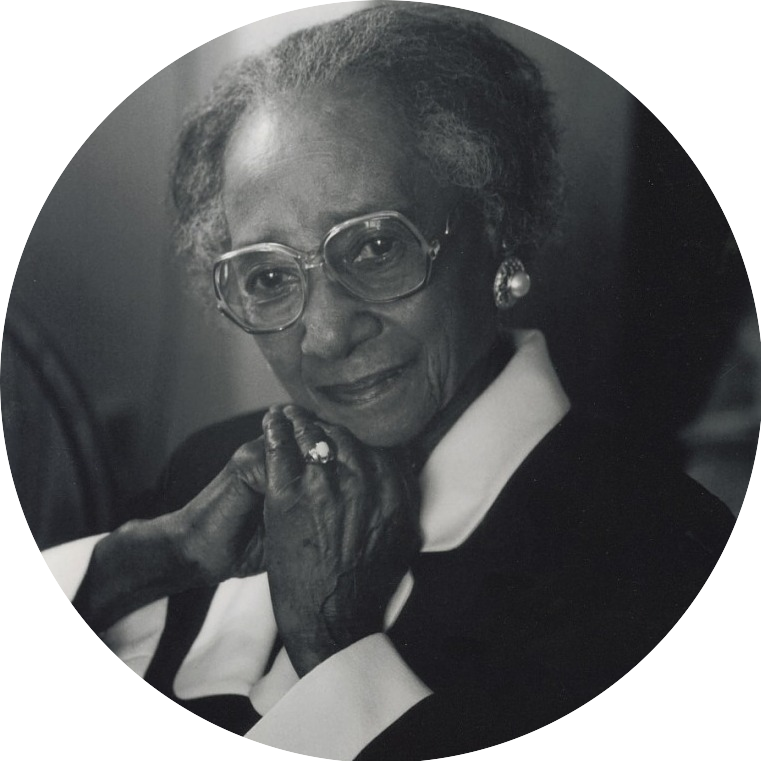
A Pioneer of Greenwood
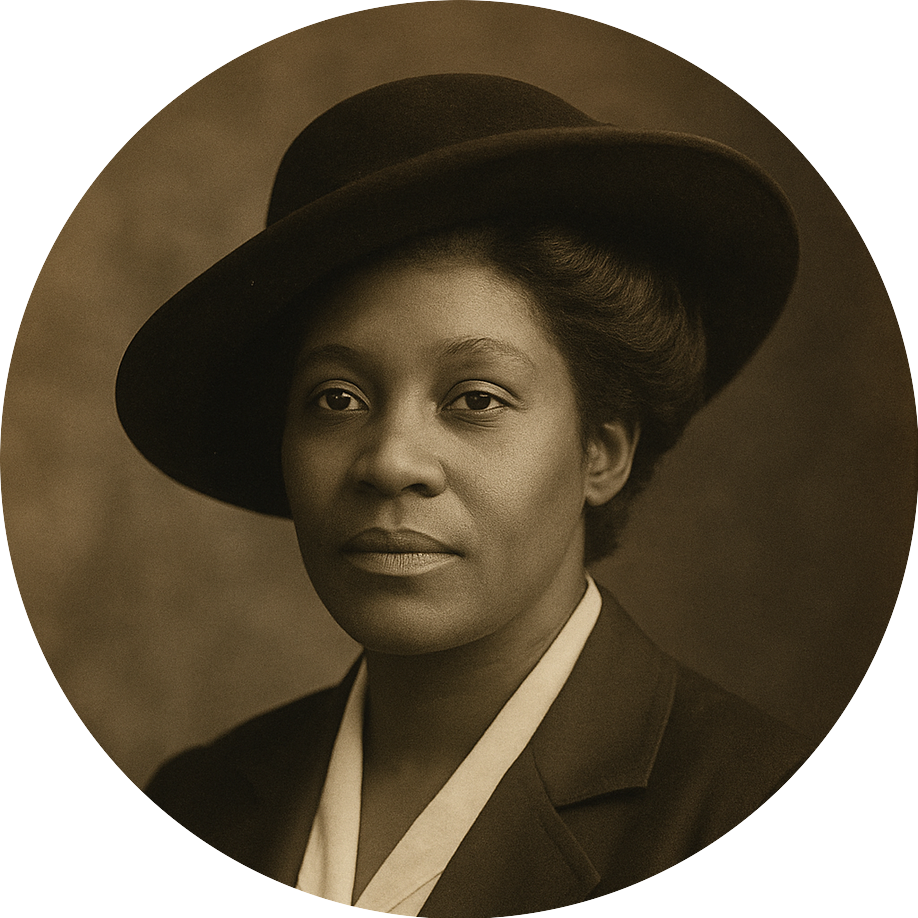
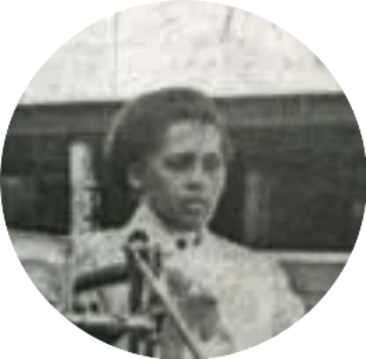
Mabel B. Little is a name that echoes through the history of Tulsa, Oklahoma, as a symbol of resilience, determination, and the entrepreneurial spirit that defined Black Wall Street. Arriving in Tulsa in 1913 from the all-Black town of Boley, Oklahoma, she carried with her just $1.50 and a vision for a better life. She soon found herself in the Greenwood District, a community that would later be known as Black Wall Street for its thriving businesses and affluent African American population. This district was more than just a place—it was a testament to what Black people could achieve in an era when systemic racism and segregation were the law of the land.
Mabel began her journey like many, taking up work wherever she could find it. But her determination quickly led her to dream bigger. By 1917, she had saved enough to open her own business: the Little Rose Beauty Salon. This small establishment would become much more than a space for beauty—it was a sanctuary for Black women, a place where they could receive care and support, and a symbol of economic independence. Her success in the beauty industry and later ventures in real estate and hospitality made her a central figure in Greenwood, embodying the possibilities of economic empowerment for African Americans.
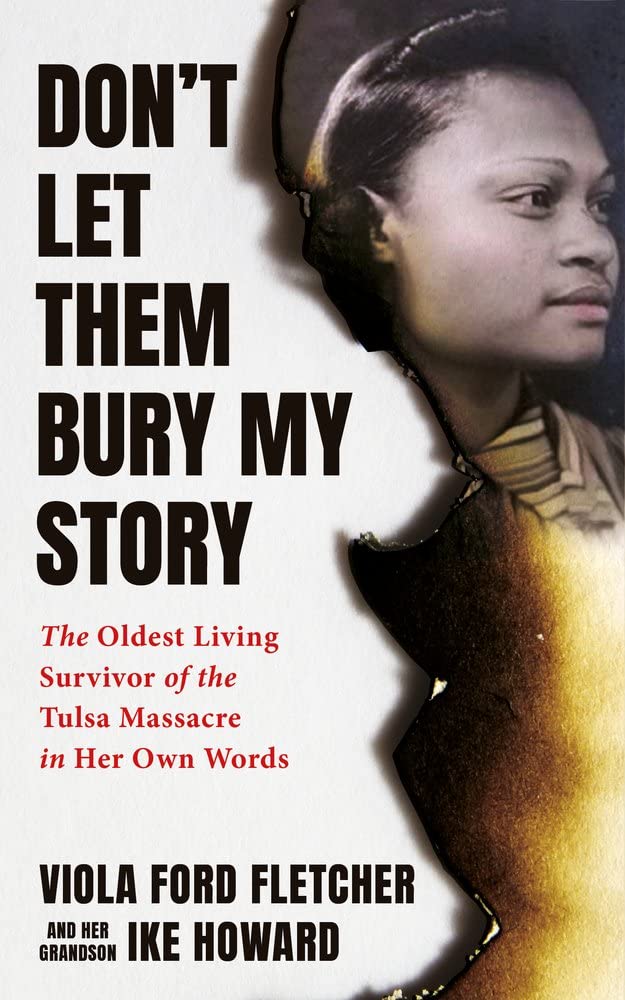
Mabel B. Little was born into a world of promise and challenges. Raised in Boley, Oklahoma—one of the many all-Black towns that flourished during the Reconstruction era—she grew up amidst a culture that celebrated Black self-reliance and community-building. Boley was more than a town; it was a symbol of what African Americans could achieve when they had the opportunity to create and govern their own spaces. The values of hard work, perseverance, and mutual aid shaped Mabel’s upbringing, and they would follow her throughout her life.
At 17, Mabel made the life-changing decision to leave Boley and head to Tulsa. The promise of economic opportunity in Greenwood attracted many like her, and though she arrived with little more than hope, Mabel was determined to make a life for herself. Her initial years in Tulsa were difficult. She found work cleaning hotel rooms, a common job for Black women at the time, but she kept her eye on a greater goal: owning a business of her own. Each day of hard work brought her closer to that dream, and by 1917, she had saved enough to open the Little Rose Beauty Salon at 615 E. Indiana Ave.
The Little Rose Beauty Salon became an integral part of Tulsa’s Black community. It was more than just a place to get a haircut or a manicure; it was a place where Black women gathered to care for themselves and one another. Mabel employed the Taylor System, a hairdressing technique that was gaining popularity among Black beauty salons at the time. This technique offered specialized care for Black women’s hair, which was often neglected or mistreated by mainstream beauty practices. By providing these services, Mabel’s salon not only met a crucial need but also uplifted the self-esteem of her clients, offering them a space where they could feel beautiful and valued.
Mabel’s salon thrived, and its success allowed her to venture into other business opportunities. She purchased rental property, becoming a landlord in Greenwood, and later partnered with her husband to open a restaurant next to her salon. These businesses weren’t just personal achievements; they contributed to the Greenwood community’s vibrant economy, where money circulated within the neighborhood, supporting other Black-owned businesses and creating a thriving ecosystem.
Mabel B. Little’s entrepreneurial spirit exemplified the ethos of Greenwood. Her investment in real estate, including rental properties, made housing available to Black residents in an era when discriminatory practices like redlining limited their options. This not only offered a source of income for Mabel and her husband but also strengthened the economic resilience of the Greenwood community. Her business ventures allowed her to reinvest in the district, fostering a sense of ownership and pride among its residents.
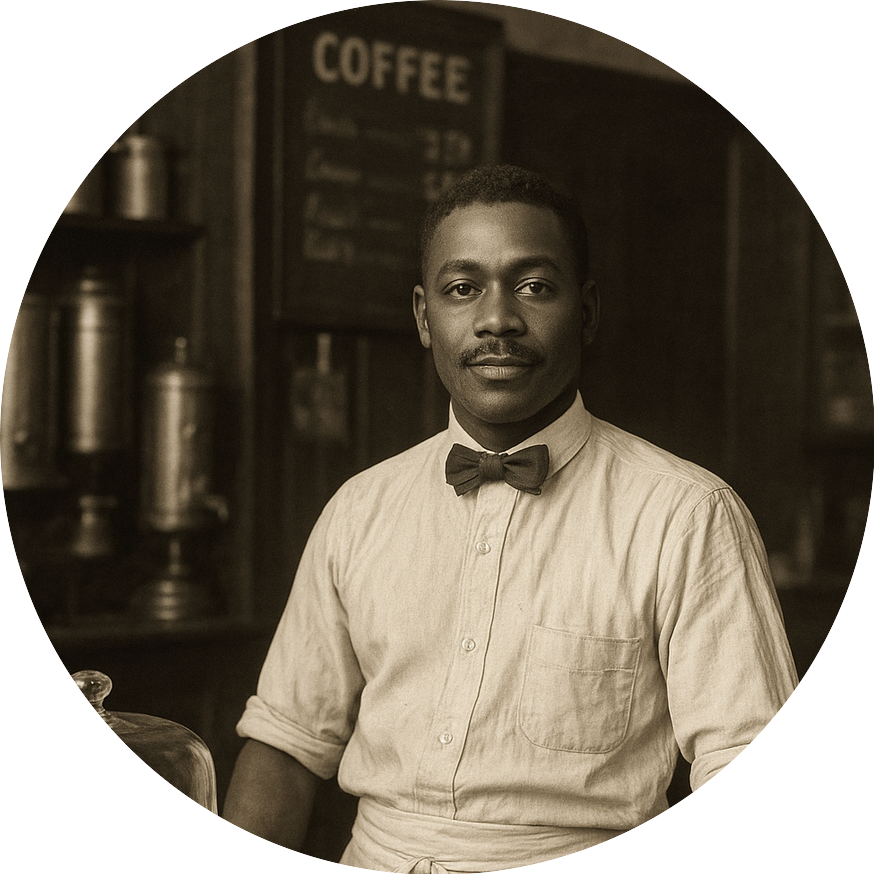
Mabel’s restaurant venture with her husband became a popular gathering spot in the community, where people would come together not just for meals but to connect, discuss business, and share news. The restaurant further solidified Mabel’s role as a central figure in Greenwood’s social and economic life. By offering spaces where the community could thrive culturally and economically, Mabel’s contributions went beyond the economic sphere—she helped build the social fabric that made Greenwood a close-knit, prosperous community.
By the early 1920s, Tulsa’s Greenwood District had earned its nickname "Black Wall Street." The area boasted more than 600 Black-owned businesses, including grocery stores, theaters, medical practices, law offices, and schools. It was a place where African Americans could pursue their aspirations, free from many of the discriminatory practices that characterized life in other parts of the country. Greenwood’s residents created their own banks, schools, and churches, cultivating a self-sufficient community that exemplified Black excellence.
Mabel B. Little’s role in this economic miracle was significant. Her businesses provided essential services and created jobs, contributing to the prosperity of Greenwood. As an entrepreneur, she was part of a wave of Black women who asserted their economic independence in a time when societal norms expected them to remain in the background. By doing so, Mabel helped redefine what was possible for Black women, becoming a role model for future generations.
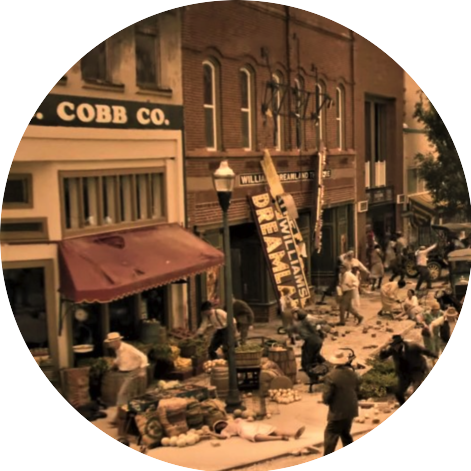
On May 31 and June 1, 1921, a mob of white residents, incited by false accusations against a Black man, attacked the Greenwood District. What started as a small confrontation quickly escalated into one of the worst incidents of racial violence in U.S. history. White rioters looted and burned Greenwood, destroying homes, businesses, and lives. The Tulsa Race Massacre left hundreds of Black residents dead and thousands displaced.
Mabel B. Little was among those who lost everything. Her salon, the restaurant she owned with her husband, and the rental properties she had worked so hard to acquire were all destroyed in the violence. The material loss was devastating, but the emotional toll was even greater as she witnessed the obliteration of the thriving community she had helped build.
In her later years, Mabel shared her personal account of the devastation, recounting the trauma of fleeing from her burning home and the despair of seeing the neighborhood she loved reduced to ashes. But even in the face of such profound loss, Mabel’s spirit remained unbroken. Her story of survival became a testament to the resilience of the human spirit and the strength of Black women in the face of systemic racism.
After the Tulsa Race Massacre, many believed that Greenwood could not recover. Yet, against all odds, Mabel B. Little and other survivors were determined to rebuild. They refused to allow the legacy of Black Wall Street to be buried beneath the ashes of hate. Mabel played an instrumental role in the reconstruction efforts, contributing her skills and knowledge to help others rebuild their lives.
Mabel’s determination to reopen her business served as an inspiration to many. While it took years for Greenwood to regain some of its former vitality, her commitment to the community was unwavering. Her efforts to rebuild her salon, even after experiencing such immense loss, symbolized the broader effort of the Black community to restore the district’s sense of pride and self-determination.
Mabel B. Little’s legacy extends beyond her contributions to Greenwood’s economy. She spent much of her later life ensuring that the history of Black Wall Street and the 1921 massacre was not forgotten. As an advocate for preserving Greenwood’s history, she worked with organizations dedicated to commemorating the tragedy and educating future generations about the community's achievements before its destruction.
Her autobiography and oral histories provided crucial firsthand accounts of the massacre, offering a perspective that had been largely ignored in mainstream narratives. Through her storytelling, Mabel helped to reclaim the narrative of Black Wall Street, ensuring that its history was preserved for the future. Her efforts were part of a larger movement to recognize and honor the achievements of the Black community in Tulsa, and to remember the resilience that characterized Greenwood both before and after 1921.
Mabel’s story has become a beacon for later generations of Black women, particularly those entering the world of business and entrepreneurship. She showed that with determination and vision, even the most insurmountable challenges can be overcome. Her legacy lives on in the numerous Black women who continue to build businesses, advocate for their communities, and create opportunities for others.
Mabel B. Little’s life is a testament to the strength, resilience, and determination of Black women who have fought for economic independence and community uplift in the face of systemic barriers. From her humble beginnings in Boley, Oklahoma, to her role as a business leader in Tulsa’s Greenwood District, Mabel’s journey embodies the spirit of Black Wall Street and the enduring legacy of the people who built it. Her story reminds us of the importance of remembering the past and honoring those who came before us.
In telling Mabel B. Little’s story, we recognize not just the personal triumphs of one woman but the collective achievements of a community that dared to dream and build against the odds. Her life is a reminder that the legacy of Black Wall Street is not solely defined by its destruction but by the enduring spirit of those who built it and those who, like Mabel, refused to let its memory fade.
Today, as we reflect on the history of Greenwood and its significance in Black history, Mabel B. Little’s story offers