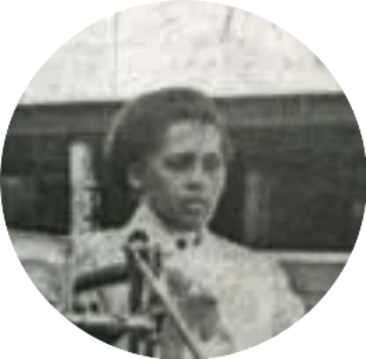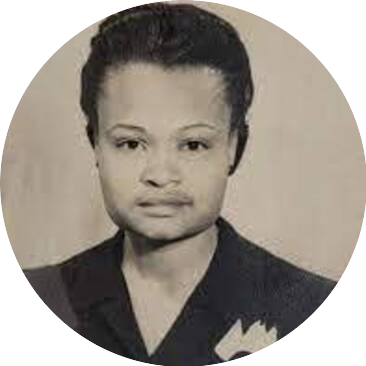
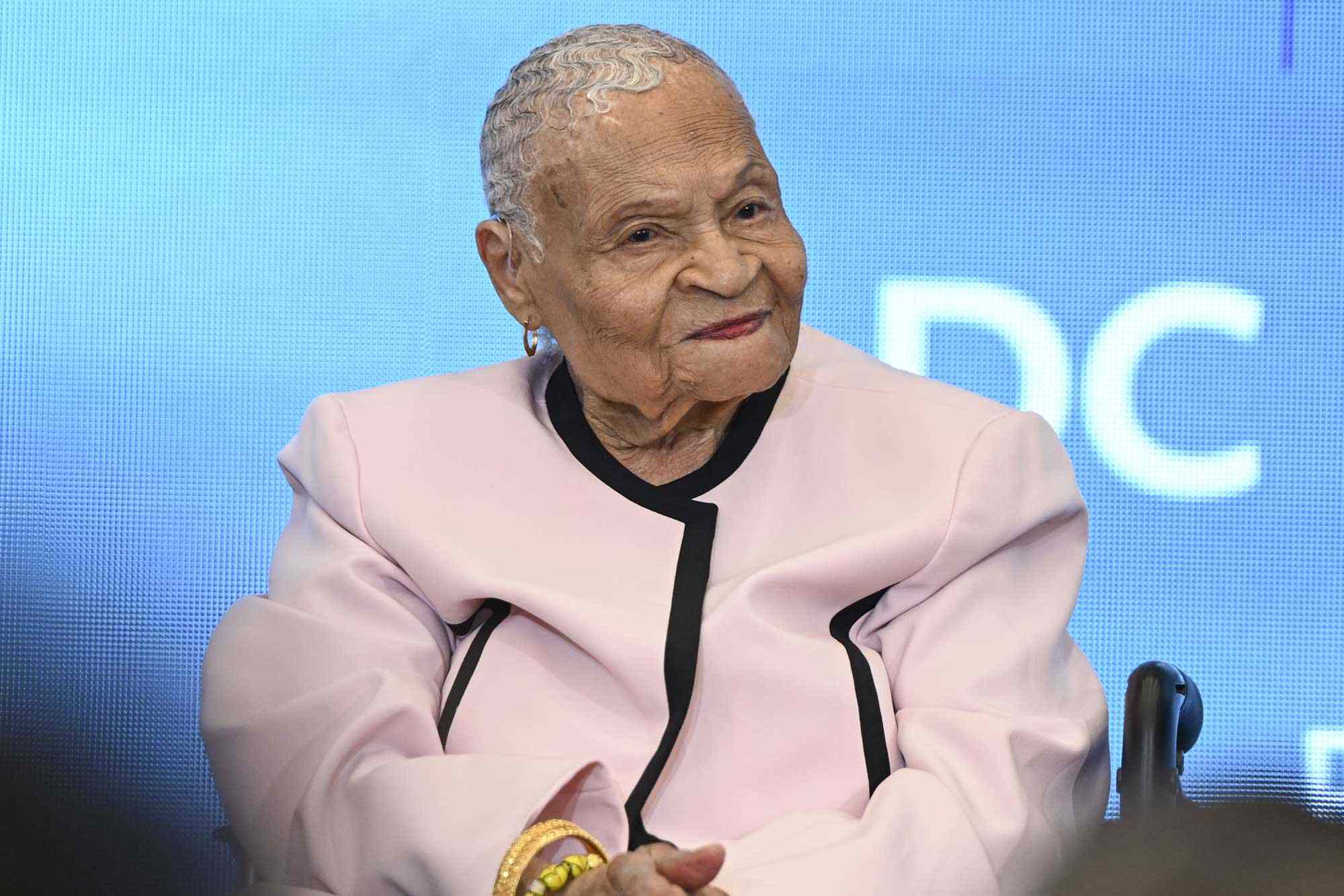
A Paragon of Greenwood Longevity
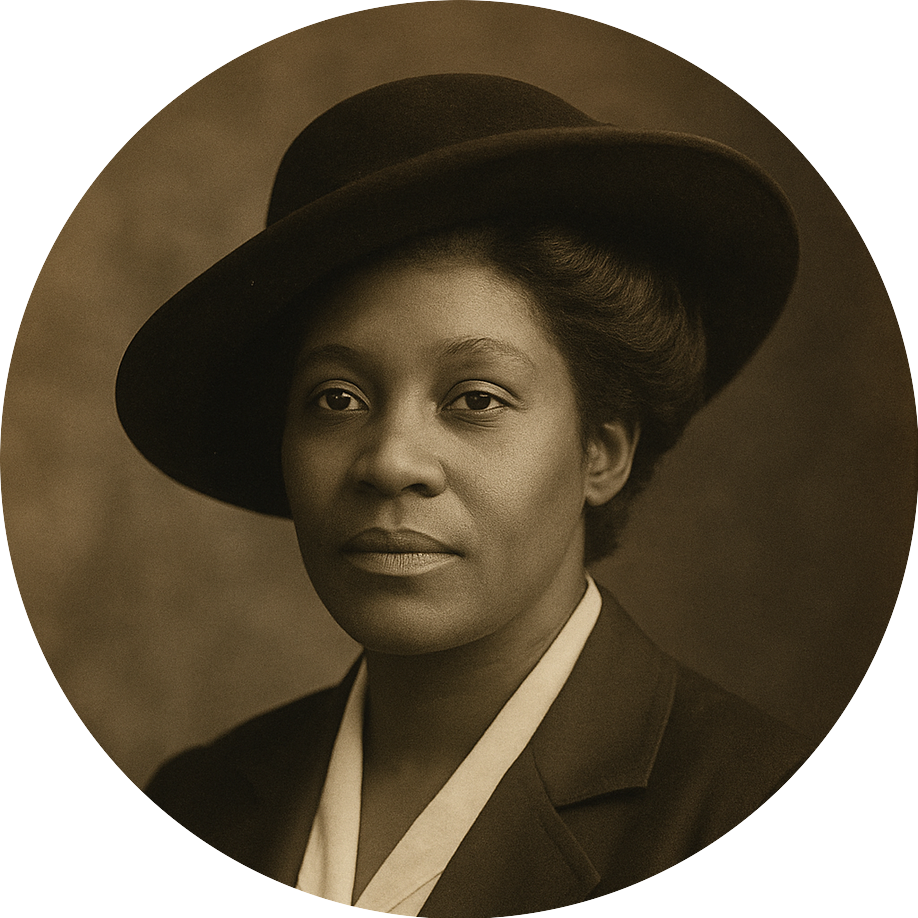
It is with profound sorrow that we announce the passing of Queen Mother Viola Ford Fletcher, the oldest living survivor of the 1921 Tulsa Race Massacre. The Queen Mother departed this life at the remarkable age of 111 on Monday, November 24, 2025, as confirmed to BlackWallStreet.org by her grandson, Ike Howard. “She had a beautiful smile on her face,” stated Dr. Michael Carter, Sr., global leader of the Black Wall Street Movement. “We are at a complete and immeasurable loss for words at the transition of Queen Mother Viola.” Dr. Carter further affirmed that Black Wall Street USA will establish the Viola Ford Fletcher Lifetime Recognition Award, honoring exceptional longevity, spiritual devotion, and steadfast service to God and country.
Queen Mother Fletcher's extraordinary life, indomitable resilience, and unwavering dedication to historical truth and collective remembrance constitute an enduring legacy—one that reverberates through Tulsa, the global Black Wall Street community, and the wider world. We reverently honor her memory and hold her family, loved ones, and all who were inspired by her luminous spirit in our deepest thoughts and prayers.
You can send condolences, well wishes and prayers to the family: QueenMotherViola@blackwallstreet.org. As of Novemeber 24, 2025, the longest living survivor of the Greenwood Tulsa Massacre is, Mother Lessie Benningfield Randle.
Viola Ford Fletcher, affectionately known as "Queen Mother Fletcher," was the oldest known living survivor of the Tulsa Race Massacre. She stood as a remarkable testament to resilience, courage, and the enduring pursuit of justice. Born on May 10, 1914, in Comanche, Oklahoma, Fletcher's life encapsulates over a century of personal trials, systemic injustice, and a relentless commitment to advocacy. As a supercentenarian, her lived experience spans monumental historical events, including the devastation of her childhood community, the flourishing Greenwood District, known as Black Wall Street.
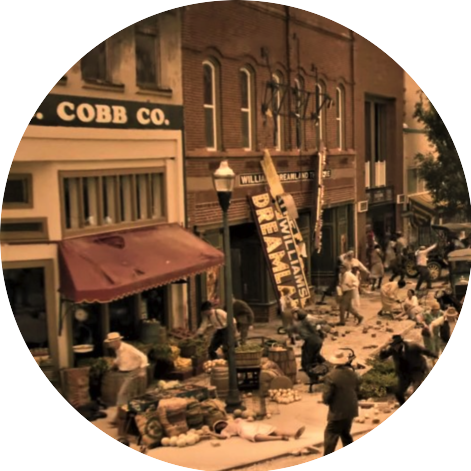
The 1921 Tulsa Race Massacre remains one of the most horrific incidents of racial violence in American history. A thriving Black community was decimated by a violent white mob, resulting in the loss of hundreds of lives, the destruction of property, and the obliteration of generational wealth. Fletcher, just seven years old at the time, was thrust into chaos as her family fled their burning neighborhood with nothing but the clothes on their backs. Over a century later, Fletcher has used her voice to advocate for justice and reparations, capturing global attention through her poignant testimony before Congress in 2021.
Fletcher’s legacy extends beyond her survival. Her unwavering advocacy highlights the enduring impacts of the massacre and the ongoing fight for racial equity. As the founder of the Viola Ford Fletcher Foundation, she promotes unity, hope, and empowerment, aiming to overcome generational disparities. This essay delves into her life story, exploring her journey from childhood trauma to becoming a global symbol of resilience and a champion for justice.
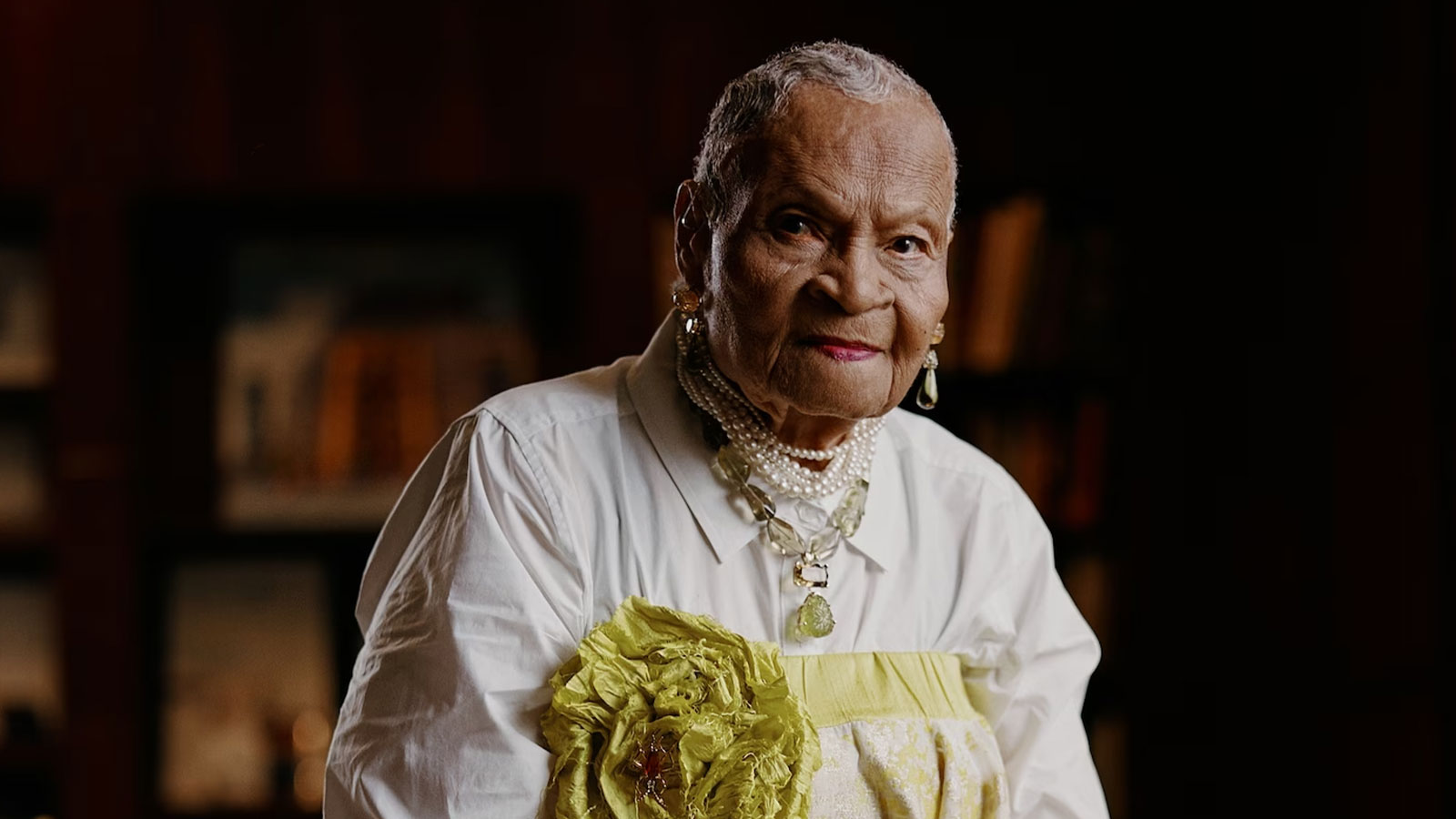
Queen Mother's Upbringing
Viola Ford Fletcher was born on May 10, 1914, in Comanche, Oklahoma, to Lucinda Ellis and John Wesley Ford. She was the second oldest of eight children in a close-knit family. Her early life was marked by simplicity and hard work, as her family were sharecroppers who toiled on rented land to make ends meet. Despite the lack of modern conveniences like electricity, Fletcher’s upbringing was imbued with strong familial bonds and a sense of community.
Life for African Americans in the early 20th century was fraught with systemic challenges, particularly in the racially segregated South. For the Ford family, sharecropping offered little opportunity for advancement, and they eventually moved to Tulsa, Oklahoma, seeking better prospects. The Greenwood District of Tulsa, known as Black Wall Street, was a beacon of Black prosperity and innovation, offering a stark contrast to the oppressive conditions many African Americans faced elsewhere.
In Greenwood, Fletcher's family joined St. Andrew, a Black Baptist church that provided spiritual sustenance and a sense of belonging. The bustling community was home to successful Black-owned businesses, schools, and cultural institutions, fostering an environment of hope and progress. For Fletcher, Greenwood represented the promise of a brighter future—a promise cruelly shattered in 1921.
The Greenwood Massacre
The Greenwood District's prosperity was not without tension. In the racially charged atmosphere of the 1920s, resentment toward Black success simmered among white residents. This tension erupted on May 31 and June 1, 1921, when a mob of armed white citizens descended on Greenwood. Spurred by false allegations against a young Black man, the violence escalated into an all-out attack on the community.
Fletcher was only seven years old when the massacre began. She recalled being in bed on the night of May 31, 1921, when her mother woke the family to flee. “I still see Black men being shot, Black bodies lying in the street,” she testified years later. “I still smell smoke and see fire. I still hear airplanes flying overhead. I hear the screams.” The destruction was catastrophic: homes, businesses, and churches were reduced to ashes, and hundreds of Black residents were killed or injured.
For Fletcher and her family, the massacre was a defining moment that uprooted their lives. They lost everything—home, possessions, and the sense of safety Greenwood had provided. Displaced and impoverished, the Ford family faced an uncertain future, a stark contrast to the promise Greenwood had once held.
Post-Massacre Life
The Tulsa Race Massacre devastated Viola Fletcher’s family, stripping them of their home and livelihood in an instant. The Ford family, like many survivors, faced immense challenges in rebuilding their lives. Greenwood, once a thriving hub of Black excellence, was left in ruins, and the Ford family had no resources to start anew. For Viola, the immediate aftermath of the massacre meant a sudden loss of stability and opportunities.
Fletcher’s family struggled to find a safe place to live and sufficient resources to survive. They were left with nothing but the clothes on their backs, and the emotional scars of the event lingered for years. The massacre disrupted Viola’s education as family circumstances forced her to leave school after the fourth grade. This marked the beginning of a life defined by perseverance and resourcefulness.
In 1932, at the age of 18, Fletcher married Robert Fletcher and moved to California in search of better opportunities. The Great Depression had gripped the nation, and many families struggled to make ends meet. Viola and Robert found work in the burgeoning shipyard industry during World War II, contributing to the war effort. Viola worked as an assistant welder, a physically demanding job that underscored her determination and resilience.
After the war, the Fletchers returned to Oklahoma to raise their three children. Viola took on work cleaning houses, demonstrating an enduring work ethic that would see her employed well into her 80s. Her life after the massacre was marked by a quiet strength, as she focused on providing for her family and instilling in her children the values of hard work and determination. Despite the challenges of systemic racism and the socioeconomic fallout of the massacre, Viola Fletcher remained a pillar of strength for her family and community.
Longstanding Impact of the Massacre
The Tulsa Race Massacre was not just a single act of violence; it had enduring ramifications for the survivors and their descendants. The destruction of Greenwood resulted in the loss of generational wealth, with homes, businesses, and investments reduced to ashes. For Viola Fletcher and thousands of others, the financial and emotional toll was immense.
Greenwood’s residents, including Fletcher’s family, faced significant barriers in rebuilding. Insurance claims for damages were largely denied, and systemic racism prevented survivors from accessing resources needed to recover. The economic impact rippled across generations, as families were unable to pass down property or wealth. Fletcher’s family, like many others, was thrust into poverty, a stark departure from the prosperity they had once enjoyed in Greenwood.
The massacre’s psychological effects were equally devastating. Fletcher’s vivid memories of the violence—a mob descending on her community, the sound of airplanes overhead, and the sight of bodies in the street—haunted her for decades. Even in her later years, she admitted that she still sleeps sitting up on her couch with the lights on, a poignant reminder of the trauma she endured as a child.
For survivors like Fletcher, the lack of justice compounded the pain. No one was held accountable for the massacre, and it took decades for the event to receive widespread recognition. The omission of the massacre from history books and public discourse added to the sense of injustice, as the stories of survivors were largely ignored. Fletcher, however, refused to let her story be forgotten.
Her decision to share her experiences publicly marked a turning point in the collective memory of the Tulsa Race Massacre. By testifying before Congress and advocating for reparations, Fletcher highlighted the ongoing consequences of the massacre and the need for systemic change. Her testimony underscored the importance of addressing historical injustices to pave the way for a more equitable future.
Advocacy
Despite the hardships of her early life, Viola Fletcher emerged as a symbol of resilience and determination in her later years. Fletcher worked tirelessly to provide for her family, continuing to clean houses until the remarkable age of 85. Her life, however, was not solely defined by personal struggles; she became a beacon of hope and a voice for justice for survivors of the Tulsa Race Massacre and their descendants.
In 2020, Fletcher and other survivors, including her younger brother Hughes Van Ellis and Lessie Benningfield Randle, filed a lawsuit against the city of Tulsa, the Tulsa Board of Commissioners, and the Oklahoma Military Department. They sought reparations for the destruction and losses inflicted on Greenwood during the massacre. Although the lawsuit was ultimately dismissed by a Tulsa County District Judge in 2023, the legal battle drew national and international attention to the survivors’ plight and the ongoing fight for reparative justice.
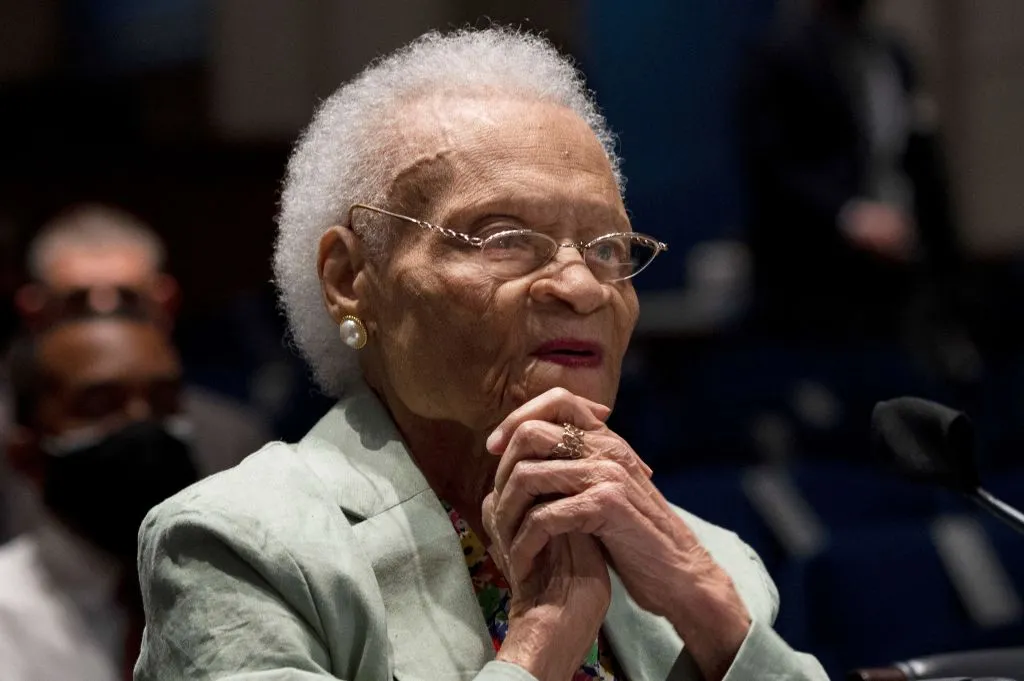
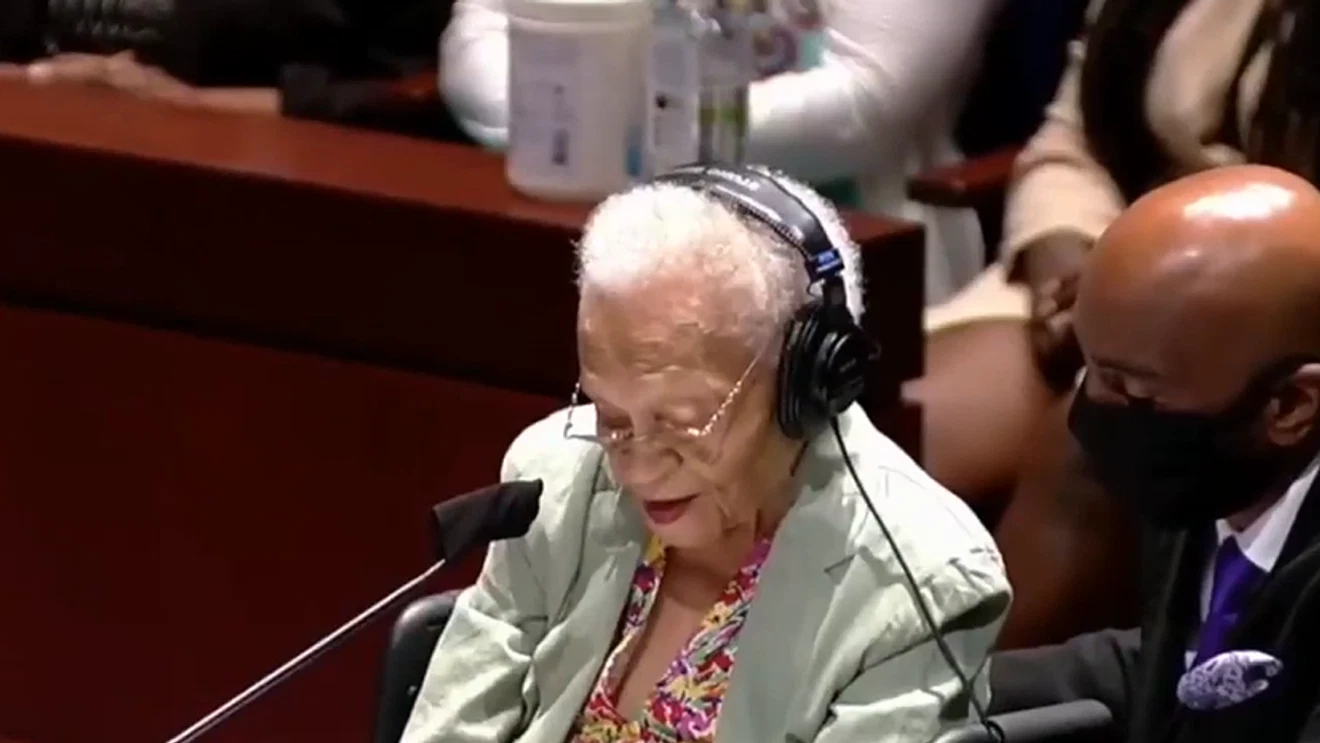
A defining moment in Fletcher’s advocacy came on May 19, 2021, when she testified before the U.S. Congress. At the age of 107, Fletcher delivered a powerful statement, recounting her harrowing experiences during the massacre. Her words painted a vivid picture of the horrors she witnessed as a child:
" I will never forget the violence of the white mob when we left our home.
I still see Black men being shot, Black bodies lying in the street.
I still smell smoke and see fire.
I still see Black businesses being burned.
I still hear airplanes flying overhead.
I hear the screams."
Her testimony also exposed how the city of Tulsa had used the massacre and its victims’ names to promote tourism and generate revenue while neglecting the needs of survivors and their descendants. Fletcher’s words resonated deeply, shedding light on the lingering inequities and the need for restitution.
In recognition of her courage and dedication, Fletcher received support from philanthropists. In 2022, she, her brother Hughes, and fellow survivor Randle were gifted $1 million by New York philanthropist Ed Mitzen. The funds were a meaningful acknowledgment of their suffering and a small step toward addressing the financial losses incurred during the massacre.
Fletcher’s advocacy has not only highlighted the historical significance of the Tulsa Race Massacre but also sparked broader conversations about systemic racism and reparative justice in the United States. Her story underscores the importance of amplifying the voices of those who have endured historical injustices, ensuring that their experiences inform the fight for equity and reconciliation.
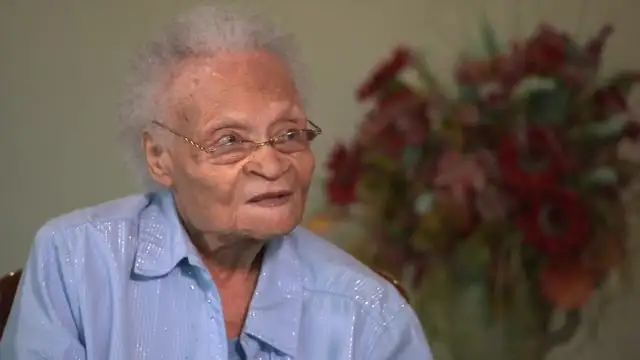
Global Recognition
Viola Fletcher’s story transcended national borders, garnering recognition and admiration from people around the world. In August 2021, Fletcher and her brother Hughes traveled to Ghana, where they were warmly received as honored guests. This visit represented a profound moment of connection between African Americans and the African continent, bridging the historical divide created by the transatlantic slave trade.
During their visit, Fletcher and her brother met with Ghanaian President Nana Akufo-Addo, who welcomed them with open arms. As a gesture of respect and reverence, Fletcher was crowned a queen mother, a title that carries significant cultural and spiritual importance in Ghanaian tradition. She was given several Ghanaian names, each symbolizing her resilience and legacy: Naa Lamiley: Meaning "Somebody who is strong. Somebody who stands the test of time.: Naa Yaoteley: Meaning "The first female child in a family or bloodline." Ebube Ndi Igbo: Reflecting strength and honor.
The titles bestowed upon Fletcher celebrated her enduring strength and her role as a living testament to the resilience of the African diaspora. For Fletcher, the visit was a deeply meaningful experience, connecting her to her ancestral roots and underscoring the shared struggles and triumphs of people of African descent.
Her trip to Ghana also symbolized a broader narrative of reconciliation and healing. By honoring Fletcher and her brother, Ghana acknowledged the historical injustices faced by African Americans while emphasizing the importance of unity and mutual support. The visit reinforced the idea that the fight for justice and equality is a global endeavor, transcending borders and cultures.
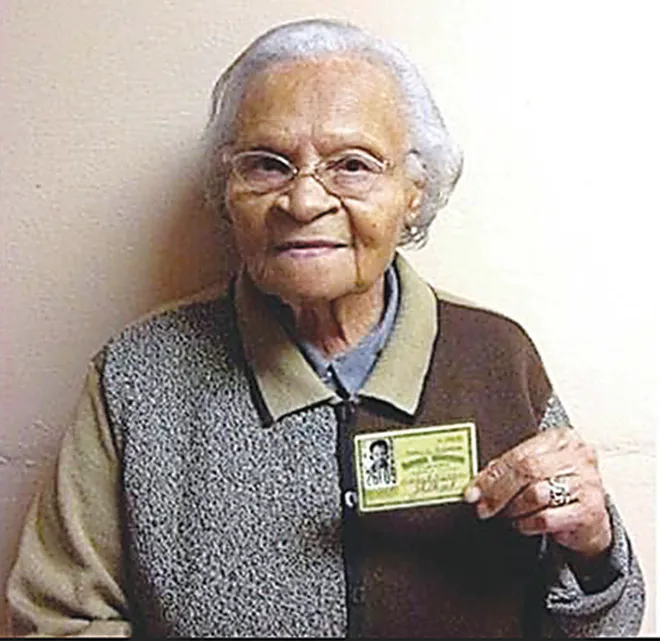
Legacy
As Viola Ford Fletcher’s story gained national and international prominence, her legacy evolved into a movement for justice, unity, and hope. In her later years, Fletcher founded the Viola Ford Fletcher Foundation, a nonprofit organization aimed at addressing generational disparities and promoting empowerment. The foundation’s mission reflects Fletcher’s unwavering belief in the power of knowledge, collaboration, and hard work to overcome systemic inequities.
The vision of the Viola Ford Fletcher Foundation is to “overcome generational disparity and hopelessness.” It serves as a vehicle for fostering global understanding, equity, and self-sufficiency. The foundation’s goals include addressing the lingering effects of historical injustices, like the Tulsa Race Massacre, while promoting healing and progress across communities.
Fletcher’s leadership principles, as reflected in the foundation, emphasize unity over division. She aims to bridge the gaps between people, tribes, and cultures, encouraging dialogue and cooperation. The foundation seeks to combat humanity’s tendency toward “perpetual disagreement” by fostering shared wisdom and sustainable solutions to societal challenges.
The $1 million gift from philanthropist Ed Mitzen in 2022 provided a significant boost to Fletcher’s mission. While the funds offered a measure of financial relief, they also symbolized recognition of the survivors’ contributions to the broader struggle for justice. For Fletcher, the financial support was less about personal gain and more about advancing the cause she had championed for decades.
Fletcher’s enduring impact lies in her ability to inspire others through her resilience and advocacy. Her work with the foundation highlights her belief that systemic change is possible through collective action, education, and leadership. By sharing her story and dedicating her life to the betterment of others, Fletcher has cemented her legacy as a champion for equity and reconciliation.

Contributions To America
Viola Fletcher’s life has become a cornerstone of efforts to preserve and share the history of the Tulsa Race Massacre. Her testimony and activism have played a critical role in ensuring that the events of 1921 are not forgotten. Over the years, Fletcher has participated in various oral history projects and public initiatives aimed at educating future generations about the massacre and its long-term consequences.
In 2014, Fletcher contributed to an oral history project conducted by the Oklahoma Oral History Research Program and the Oklahoma State University College of Human Sciences. The project aimed to document firsthand accounts of the massacre, preserving the voices of survivors for future generations. Fletcher’s detailed recollections provided invaluable insights into the human cost of the tragedy, offering a personal perspective on an event that had been largely omitted from mainstream historical narratives for decades.
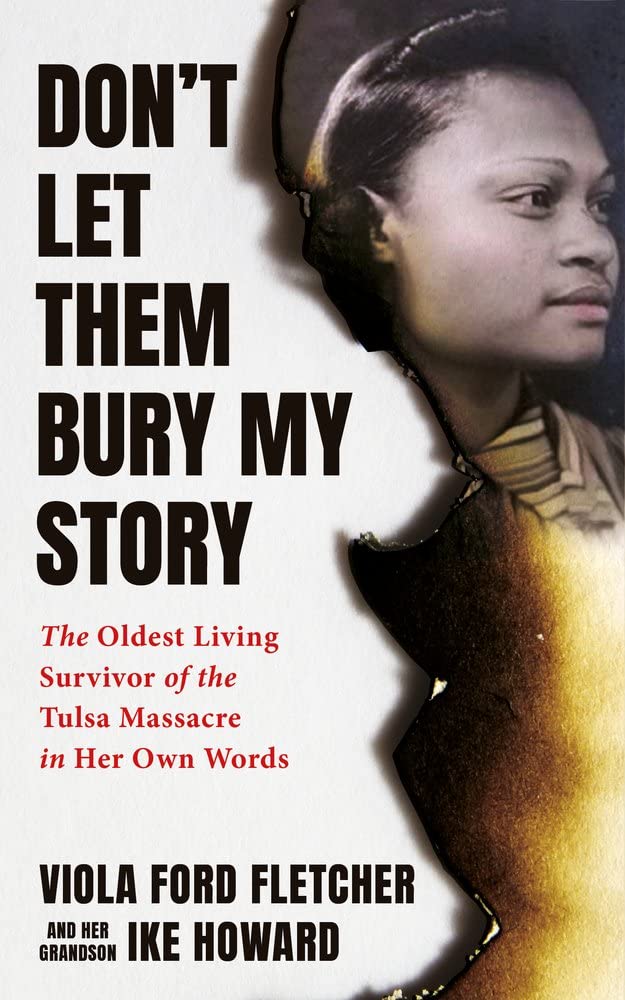
Fletcher’s most significant literary contribution came in 2023, with the publication of her memoir, Don’t Let Them Bury My Story. Co-written with her grandson, the memoir serves as both a historical record and a call to action. The book chronicles her experiences before, during, and after the massacre, emphasizing the resilience of the Greenwood community and the enduring fight for justice. For Fletcher, the memoir represents an opportunity to ensure that her story—and the broader history of the massacre—remains part of the national consciousness.
In addition to her written and oral contributions, Fletcher has been a central figure in public commemorations of the Tulsa Race Massacre. Her appearances at events, including centennial observances in 2021, have brought attention to the survivors’ stories and the ongoing need for reparative justice.
Fletcher’s cultural contributions extend beyond the realm of history. As a living link to a pivotal moment in American history, she has become a symbol of hope and perseverance. Her story has inspired countless individuals to reflect on the past while working toward a more equitable future. By sharing her experiences and advocating for systemic change, Fletcher has ensured that her legacy will continue to shape conversations about race, justice, and reconciliation for years to come.
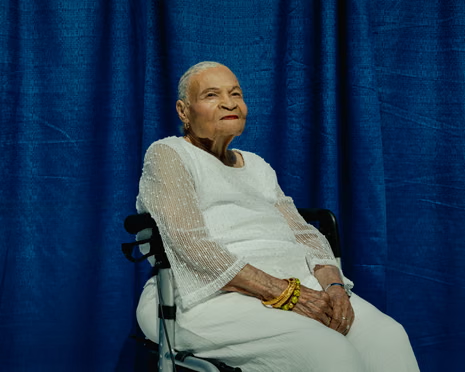
Supercentenarian
On May 10, 2025, Viola Ford Fletcher celebrated her 111th birthday, officially becoming a supercentenarian. This milestone not only underscored her remarkable longevity but also highlighted her role as a living witness to over a century of American history. Fletcher’s life, spanning multiple generations, encapsulates some of the most significant social, political, and cultural shifts of the 20th and 21st centuries.
Fletcher’s milestone birthday was celebrated as a moment of triumph and reflection. Family, friends, and admirers came together to honor her extraordinary life and contributions. Tributes poured in from around the world, recognizing her as a symbol of resilience, strength, and advocacy. Fletcher’s status as a supercentenarian is particularly poignant, given the trauma and hardships she endured throughout her life, including the loss of her childhood home in the Tulsa Race Massacre.
Her longevity has allowed Fletcher to witness profound societal changes, from the civil rights movement of the 1960s to the ongoing conversations about racial justice in the 21st century. At 111, she continued to inspire generations with her advocacy for equity, her dedication to preserving the memory of the Greenwood community, and her efforts to foster unity and empowerment through the Viola Ford Fletcher Foundation.
Fletcher’s supercentenarian status also served as a testament to the resilience of the human spirit. Despite the challenges she faced—including systemic racism, economic hardship, and personal loss—she has remained steadfast in her mission to create a better world. Her life is a powerful reminder of the strength that lies in perseverance and the impact that one person can have on the collective memory of a nation.
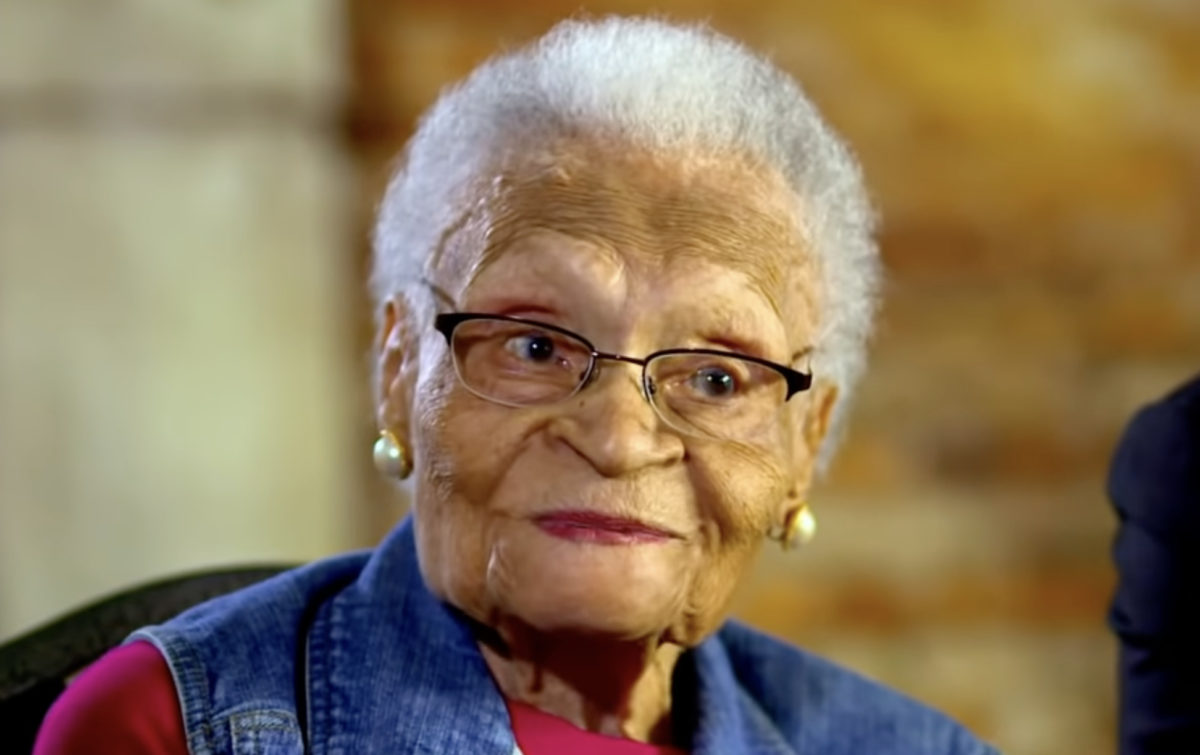
Resilience of the Human Spirit
Viola Ford Fletcher’s life story is a testament to the resilience of the human spirit and the enduring fight for justice. As the oldest known living survivor of the Tulsa Race Massacre, Fletcher has become a symbol of hope, courage, and determination in the face of unimaginable adversity. Her journey from the ashes of Greenwood to the halls of Congress, and from local activism to international recognition, highlights the transformative power of storytelling and advocacy.
Fletcher’s legacy extends beyond her personal experiences. Through her testimony, philanthropy, and activism, she has shone a light on the long-term impacts of historical injustices, emphasizing the need for reparations and systemic change. Her establishment of the Viola Ford Fletcher Foundation reflects her vision for a more equitable world, one in which generational disparities are overcome through unity, education, and leadership.
In becoming a supercentenarian, Fletcher’s life has spanned some of the most pivotal moments in American history. Her story bridges the past and the present, offering lessons on resilience, accountability, and the enduring pursuit of justice. Fletcher’s memoir, Don’t Let Them Bury My Story, ensures that her experiences—and those of the Greenwood community—will be remembered for generations to come.
Viola Ford Fletcher’s legacy is a call to action. It challenges us to confront historical injustices, honor the stories of those who came before us, and work collectively toward a more just and inclusive society. As a living witness to history, Fletcher reminds us that progress is possible but requires unwavering dedication, courage, and hope.
Her story, marked by tragedy and triumph, is a beacon of light in the ongoing journey toward reconciliation and equity. Viola Ford Fletcher’s life is not just a chronicle of survival—it is an enduring symbol of the power of memory, the importance of justice, and the resilience of the human spirit.
Copyright Infringement Policy for BlackWallStreet.org
The content published on BlackWallStreet.org, including but not limited to articles, op-eds, commentary, reports, graphics, and multimedia, is protected under United States Copyright Law (Title 17 of the U.S. Code) and international copyright treaties. Unauthorized use, reproduction, distribution, or modification of this content without explicit permission from the copyright owner is a violation of intellectual property rights and will result in legal and financial consequences. This policy outlines the ownership of content, steps to gain permission for use, consequences of infringement, and the procedures for reporting violations. 1. Ownership of Content All intellectual property published on BlackWallStreet.org, unless otherwise noted, is the exclusive property of the site or its contributors. Contributors grant BlackWallStreet.org a license to publish, promote, and distribute their works while retaining their individual copyright unless otherwise agreed upon. Any third-party content included on the site is used with proper licensing or attribution as required by law. 2. Prohibited Activities Without prior written consent from BlackWallStreet.org or the respective copyright holder, the following activities are prohibited: Republishing full articles, excerpts, or commentary in any medium (print, digital, or otherwise). Modifying or creating derivative works from content published on the site. Using content for commercial purposes, including in advertising, fundraising, or promotional materials. Copying or scraping content for redistribution on websites, blogs, or social media platforms. 3. Gaining Permission for Usage BlackWallStreet.org supports appropriate use of its content under specific guidelines. To obtain permission: Contact: Submit a formal request via the designated Content Usage Request Form or email permissions@blackwallstreet.org. Details: Include the specific content, intended purpose, distribution method, and audience. Licensing Agreement: Depending on the intended use, a licensing fee or written agreement may apply. Acknowledgment: All approved uses must provide proper attribution to BlackWallStreet.org and any identified author(s). Fair Use Exceptions: Limited use of content may qualify as “fair use” under copyright law, such as for educational, nonprofit, or critical commentary purposes. Determinations will be made on a case-by-case basis. 4. Legal and Financial Consequences BlackWallStreet.org takes copyright infringement seriously and will enforce its rights under the law. Consequences include: Legal Consequences: Cease and Desist Orders: Infringers will be formally notified to remove unauthorized content immediately. Civil Lawsuits: BlackWallStreet.org may pursue legal action for statutory damages, actual damages, or lost profits caused by infringement. Court-Ordered Injunctions: Preventing further use or distribution of the copyrighted material. Legal Fees: Infringers may be held responsible for covering court and attorney fees. Financial Penalties: Statutory Damages: Up to $150,000 per instance for willful infringement under U.S. Copyright Law. Licensing Fees: Retroactive fees may be charged for unauthorized use, at rates significantly higher than those for pre-approved permissions. 5. Reporting Copyright Infringement If you believe your intellectual property has been unlawfully used on BlackWallStreet.org, or if you suspect content from this site is being infringed upon elsewhere, follow these steps: Submit a Complaint: Email copyright@blackwallstreet.org with the following details: Your contact information. Description of the copyrighted material. The location (URL) of the unauthorized content. Verification: Provide evidence of ownership, such as original drafts, registration certificates, or publication timestamps. Resolution: BlackWallStreet.org will investigate and, if necessary, remove infringing material or pursue enforcement actions against the violator. 6. Protection and Monitoring BlackWallStreet.org employs Ai and many other tracking tools to monitor and enforce copyright protection: Digital Watermarking: Certain content may be embedded with unique identifiers to track unauthorized use. Copyright Monitoring Services: Regular scans ensure that intellectual property rights are upheld across online platforms. 7. Policy Updates This copyright infringement policy is subject to periodic updates. Users are encouraged to review it regularly to remain compliant with any changes. Respecting intellectual property rights fosters a fair and vibrant environment for creators and consumers alike. BlackWallStreet.org reserves all rights to enforce this policy and appreciates your cooperation in upholding ethical content usage. For further inquiries, please contact legalcounsel@blackwallstreet.org. This detailed policy ensures transparency, protects intellectual property rights, and provides a clear framework for legal recourse in case of violations.