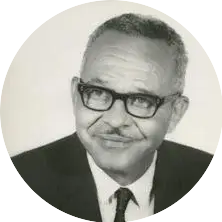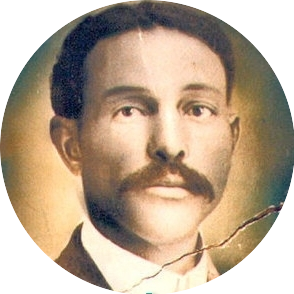
Dr. Andrew Cheesten Jackson:
A Life Cut Short by Injustice
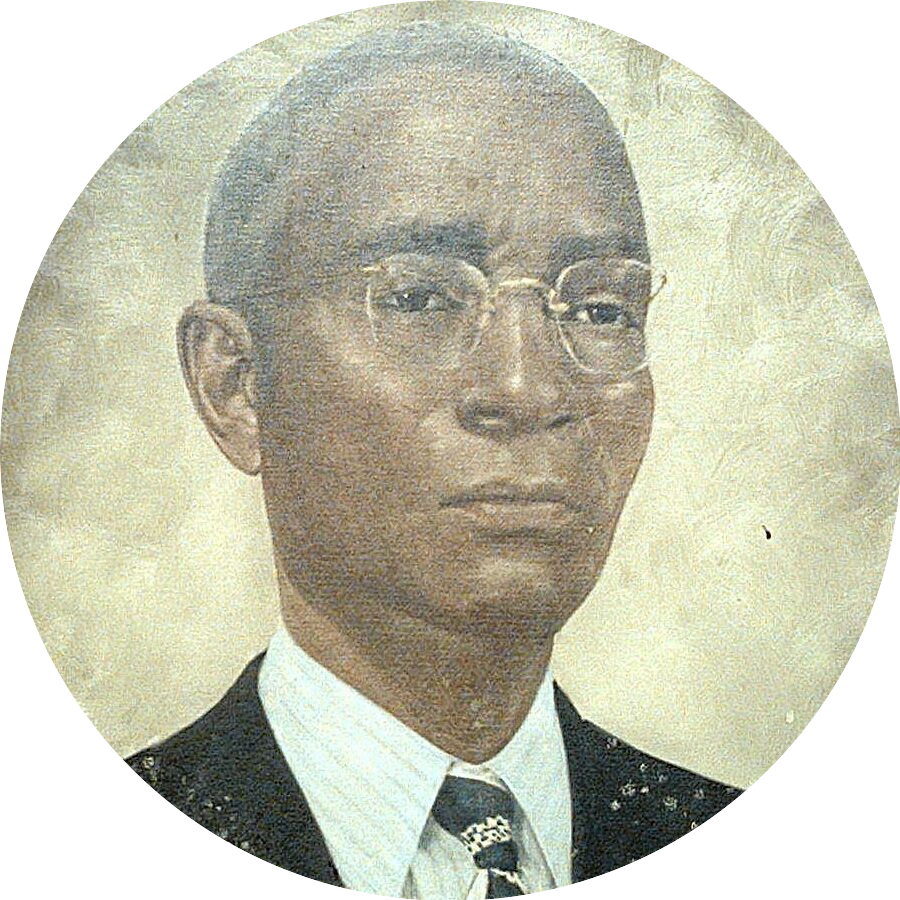
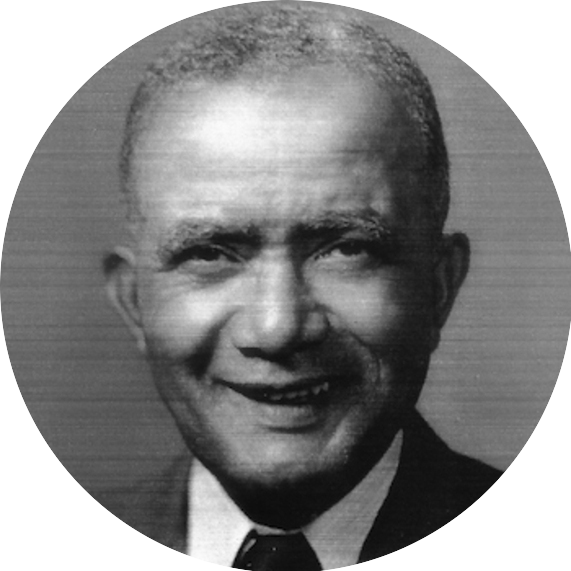
Dr. Andrew Cheesten Jackson, a name that once reverberated within the halls of medical institutions and among communities of Tulsa, Oklahoma, represents both the immense potential and tragic loss of Black achievement in early 20th-century America. Revered as one of the foremost African American surgeons of his time, he defied the racial barriers that limited many of his peers, treating patients of all backgrounds with a level of expertise and compassion that earned him the admiration of the renowned Mayo brothers. The Mayo Clinic pioneers dubbed him “the most able Negro surgeon in America,” a title that signaled his skill and pioneering spirit in an era when such recognition was exceedingly rare for Black professionals.
Yet, Dr. Jackson's story extends beyond his medical practice. It encompasses his role as a pillar in Tulsa’s Greenwood District, famously known as “Black Wall Street,” a community that represented the heights of Black prosperity and independence. His life came to a tragic and violent end during the 1921 Tulsa Race Massacre, a pivotal event in American history where white mobs destroyed Greenwood and killed hundreds, including Dr. Jackson. His story is both a testament to the resilience of Black medical professionals and a sobering reminder of the enduring struggle against systemic racial violence. This article explores Dr. Jackson's life, medical contributions, and the tragic circumstances that led to his untimely death, offering a comprehensive view of his lasting legacy.
Dr. Andrew C. Jackson was born in February 1879 in Memphis, Tennessee, into a world still grappling with the aftermath of the Civil War and Reconstruction. His parents, Captain Townsend D. Jackson and Sophronia Jackson, were former slaves, emerging from the bonds of slavery to navigate a society rife with racial prejudice. Their perseverance, however, instilled in their children a strong sense of determination and a commitment to achieving beyond the boundaries society imposed.
Family's Role in Shaping Ambitions Townsend Jackson had been a leader within the Black community in Memphis, a status that provided young Andrew with a model of leadership and resilience. As a captain of a Black militia unit and an advocate for African American rights, Townsend understood the importance of education and self-reliance in a society that offered few opportunities for African Americans. Sophronia, who hailed from Texas, provided the emotional foundation for the family, ensuring her children were raised with a sense of dignity and self-worth. Together, they nurtured Andrew’s ambitions, encouraging him to pursue an education even when such pursuits were fraught with difficulty.
Educational Aspirations From an early age, Andrew demonstrated a keen intellect and an interest in the sciences. Attending the segregated schools of Memphis, he excelled in his studies despite the limited resources and frequent interruptions that were common in Black educational institutions of the time. His parents' sacrifices and emphasis on the value of knowledge motivated him to aim for a career in medicine, a field where few Black Americans had succeeded due to systemic barriers. The idea of becoming a doctor represented not only a path to personal success but also an opportunity to serve his community.
Challenges in Accessing Education The path to medical school was not easy for a young Black man in the South. Racial segregation and widespread discrimination meant that medical schools in the region were closed to African American students. Despite these challenges, Dr. Jackson secured admission to Meharry Medical College in Nashville, one of the few institutions dedicated to training Black physicians. His journey to Meharry was not just a personal triumph; it represented a continuation of his family's legacy of resilience and the beginning of a groundbreaking career.
A Haven for Aspiring Black Physicians Meharry Medical College, established in 1876, served as a beacon of hope for African Americans seeking to enter the medical profession. At a time when many mainstream medical schools barred Black students, Meharry offered rigorous training and a network of supportive peers and mentors. For Dr. Jackson, Meharry was more than an academic institution; it was a transformative experience that allowed him to hone his skills and envision the impact he could have on underserved communities.
Medical Training and Overcoming Obstacles At Meharry, Dr. Jackson immersed himself in anatomy, surgery, and the latest developments in medical science. The training was grueling, requiring long hours of study and practical experience in hospital settings. However, these challenges only strengthened his resolve to excel. He quickly distinguished himself as a student of exceptional ability, mastering complex surgical procedures that would later become central to his practice.
Building a Network of Support Beyond academic achievements, Meharry provided Dr. Jackson with a network of like-minded individuals who shared his commitment to advancing Black health and wellbeing. This network became crucial as he navigated the challenges of practicing medicine in a deeply segregated society. His relationships with fellow Meharry graduates would support him throughout his career, creating a foundation of professional solidarity that helped him endure the racial prejudice he would face.
Early Medical Practice in Oklahoma After graduating, Dr. Jackson initially set up practice in Claremore, Oklahoma, before moving to Tulsa, where the Greenwood District was rapidly becoming a hub of Black economic success. Claremore’s rural setting allowed him to build relationships with patients in smaller communities, but it was in Tulsa that he truly found his calling. Recognizing the lack of accessible medical care, especially for Black residents, he committed himself to providing high-quality treatment to those who had previously been underserved.
Specialization in Women’s Health Dr. Jackson’s early medical practice was notable for his focus on chronic diseases and surgery for women, a specialization that was both unusual and necessary in the context of the time. Women in Tulsa’s Black community often faced limited healthcare options, especially when it came to surgical procedures. By specializing in this area, Dr. Jackson addressed a critical gap in care, offering treatments for conditions that were frequently overlooked by other practitioners. His work in this field quickly earned him a reputation as a skilled and compassionate surgeon.
Expanding His Expertise After several years of practice in Oklahoma, Dr. Jackson sought to deepen his surgical expertise by returning to Memphis for advanced training. This move was a testament to his commitment to remaining at the forefront of medical advancements, even as a Black physician in a segregated field. In Memphis, he learned the latest surgical techniques, which he would later apply to his practice in Tulsa, bringing a new level of care to his patients.
The Mayo Brothers’ Acknowledgment Dr. Jackson’s reputation as a capable surgeon caught the attention of the Mayo brothers, founders of the Mayo Clinic, a leading institution in American medicine. The Mayo brothers’ praise was not lightly given; they recognized in Dr. Jackson a talent that transcended the racial prejudices of the time. Referring to him as “the most able Negro surgeon in America” was a profound endorsement, especially coming from such influential figures in the medical world.

Significance of the Recognition The endorsement from the Mayo brothers elevated Dr. Jackson’s status in both Black and white medical circles. It was a rare moment of recognition that challenged the prevailing norms of racial segregation in the field of medicine. This acknowledgment also brought a sense of pride to the Black community in Greenwood, where Dr. Jackson’s success was seen as a reflection of what could be achieved despite the constraints of systemic racism.
Treating a Diverse Patient Population While Dr. Jackson’s practice primarily served the Black residents of Greenwood, he did not turn away patients of other races. This willingness to treat patients of all backgrounds was both a professional decision and a statement of his belief in the universal right to healthcare. It further solidified his reputation as a healer who was not bound by the racial divisions of his time, earning him respect from those who witnessed his dedication firsthand.
Greenwood: A Thriving Black Community The Greenwood District of Tulsa was often referred to as “Black Wall Street” due to its thriving businesses, schools, and cultural institutions. By the early 1920s, it had become one of the wealthiest Black communities in America, offering a stark contrast to the economic struggles faced by African Americans elsewhere. Dr. Jackson’s decision to settle in Greenwood was both practical and symbolic, as it placed him at the heart of a community striving for self-sufficiency and progress.
Dr. Jackson’s Residence and Social Influence Dr. Jackson’s home at 523 North Detroit Avenue was a symbol of his success. Situated on an exclusive block alongside other prominent Black professionals like Booker T. Washington High School principal E.W. Woods and Tulsa Star publisher A.J. Smitherman, his residence represented the potential for Black prosperity in a segregated America. His home was not just a personal achievement but a point of pride for the community, embodying the progress that Greenwood represented.
Role as a Community Leader In addition to his medical practice, Dr. Jackson played a significant role in Greenwood’s civic life. He was a respected figure at community meetings, a mentor to young Black doctors, and a symbol of the professional possibilities available to the next generation. His influence extended beyond the medical field, as he advocated for education, economic development, and the overall wellbeing of Greenwood’s residents.
Medical Advancements in Greenwood The presence of skilled professionals like Dr. Jackson in Greenwood provided residents with access to high-quality medical care that was often denied to Black communities elsewhere. He introduced advanced surgical techniques that had been previously unavailable, and his commitment to treating chronic conditions made a significant difference in the lives of his patients. In a community striving for excellence, Dr. Jackson’s contributions to healthcare were a vital component of Greenwood’s success.
Surgical Techniques and Advances Dr. Jackson’s practice was marked by his introduction of modern surgical techniques that he had mastered during his training in Memphis. These methods included more refined approaches to abdominal surgery, which were crucial for treating chronic diseases like ulcers and hernias. By bringing these advanced practices to Tulsa, he was able to address conditions that were often left untreated in the Black community due to a lack of accessible care.
Introduction of Modern Techniques One of Dr. Jackson’s notable contributions was the introduction of techniques in treating gastrointestinal conditions, which had previously required patients to travel to larger cities for specialized care. His training in these procedures allowed him to perform surgeries that significantly improved the quality of life for many of his patients. Such innovations not only cemented his reputation as a skilled surgeon but also highlighted the importance of having advanced medical expertise within local Black communities.
Impact on Women’s Health Dr. Jackson’s focus on women’s health was especially impactful. In the early 20th century, many women suffered in silence from conditions such as fibroids, ovarian cysts, and other chronic gynecological issues. These conditions were often underdiagnosed and undertreated due to both social taboos and the lack of specialists willing to serve Black women. Dr. Jackson’s willingness to address these needs filled a critical gap, offering surgical solutions that improved the lives of countless women in the region.
Case Studies of His Medical Work One notable case involved a woman suffering from severe complications related to childbirth, a situation where Dr. Jackson’s surgical intervention saved her life. Another involved a complex abdominal surgery that he performed on a local farmer who had been turned away by other doctors. These cases not only demonstrated his skill but also highlighted his commitment to providing care where it was most needed. His ability to tackle difficult cases earned him a reputation that extended beyond Tulsa, making him a sought-after physician.
Advocacy for Medical Education Beyond his direct contributions to medicine, Dr. Jackson was passionate about ensuring that the next generation of Black doctors had the opportunity to excel. He mentored young practitioners, offering them the benefit of his experience and encouraging them to pursue advanced training. His advocacy extended to lobbying for better facilities and resources for Black medical students, knowing that the future of Black healthcare depended on increasing the number of qualified professionals.
The Events Leading to the Massacre The Tulsa Race Massacre of 1921 remains one of the darkest chapters in American history, a brutal attack that decimated Greenwood and left hundreds of Black residents dead. The immediate trigger for the violence was the arrest of a young Black man named Dick Rowland, accused of assaulting a white woman in an elevator. Despite the lack of evidence, a white mob gathered, demanding Rowland’s lynching. Black residents, including World War I veterans, came to the courthouse to protect Rowland, leading to a confrontation that erupted into a full-scale assault on Greenwood.
Role of Greenwood’s Prosperity in the Attack Greenwood’s success was both a source of pride for Black residents and a target for white resentment. The thriving businesses, cultural institutions, and professional class represented by figures like Dr. Jackson challenged the prevailing racial order. Many historians believe that the economic jealousy and fear of Black advancement fueled the mob’s desire to destroy Greenwood. As white mobs set fire to homes and businesses, they targeted individuals like Dr. Jackson, whose success defied their notions of racial superiority.
Dr. Jackson’s Final Moments Accounts of Dr. Jackson’s final moments during the massacre are harrowing. According to his white neighbor, John Oliphant, Dr. Jackson had raised his hands in surrender when a group of armed white men intercepted him. “He came walking toward me with his hands in the air. 'Here am I. I want to go with you,' he said,” Oliphant recounted. Despite this peaceful gesture, two men shot him down in cold blood, and as he lay on the ground, another shot him again, ensuring his death.
Alternative Accounts of His Death Other accounts suggest that a 14-year-old white teenager shot Dr. Jackson as he attempted to surrender at his home. Lacking any medical attention, he bled to death—a tragic irony for a man whose life had been dedicated to saving others. The differing narratives of his death reflect the chaos and brutality of the massacre, but they all underscore the senseless loss of a life devoted to healing.
Aftermath and Injustice The massacre left Greenwood in ruins, with over 1,200 homes destroyed and hundreds of Black residents killed or displaced. Dr. Jackson’s killers, like so many others responsible for the violence, were never brought to justice. The failure to hold anyone accountable for his murder highlights the systemic racism that characterized both the attack and its aftermath. For the survivors, the loss of Dr. Jackson was a particularly bitter blow, as they not only lost a trusted healer but also a symbol of what their community could achieve.
Impact on the Medical Community Dr. Jackson’s death represented a profound loss for Tulsa’s Black community, particularly in the field of medicine. His skill as a surgeon and his commitment to improving the health of his patients had made a tangible difference in the lives of many. The void left by his death was keenly felt, as the community struggled to rebuild without the leadership and expertise that he had provided.
Symbol of Racial Violence’s Impact Dr. Jackson’s murder is emblematic of the broader losses suffered during the Tulsa Race Massacre. It symbolizes not only the violence inflicted upon Black bodies but also the obliteration of Black progress and potential. His death deprived Tulsa of a medical pioneer, but it also deprived future generations of the role model he had been—a man who had shown that Black excellence could thrive even in the face of oppression.
Posthumous Recognition In recent years, efforts have been made to honor the victims of the Tulsa Massacre, including Dr. Jackson. Historical research and commemorations have brought renewed attention to the tragedy and the lives lost. While much of this recognition has come long after his death, it serves as a testament to the enduring importance of remembering those who fought for a better future.
Comparison with Other Black Medical Pioneers Dr. Jackson’s life can be compared with other Black medical pioneers, such as Dr. Charles Drew, who advanced the study of blood transfusions, or Dr. Rebecca Lee Crumpler, the first Black woman to earn a medical degree in the United States. Like these figures, Dr. Jackson faced enormous challenges but remained committed to serving his community. His story, however, is distinguished by the tragedy of his death during an act of racial violence, adding a layer of historical significance to his contributions.
Dr. Andrew C. Jackson’s life and legacy encompass both triumph and tragedy. As a skilled surgeon and a dedicated community leader, he represented the potential for Black achievement in a segregated society. His recognition by the Mayo brothers and his role in Greenwood’s prosperity made him a symbol of what could be accomplished despite the limitations imposed by racism. Yet, his brutal death during the 1921 Tulsa Race Massacre underscores the destructive power of racial hatred and the immense loss suffered by Black America during this period.
Dr. Jackson’s story is a reminder of the resilience of those who dared to aspire beyond the boundaries of their time, as well as the ongoing struggle for justice and recognition. His life serves as a call to remember the stories of those whose potential was cut short, to honor their contributions, and to ensure that the lessons of history are not forgotten. As we continue to reflect on the Tulsa Race Massacre, the legacy of figures like Dr. Jackson remains a vital part of understanding the long road toward equity and reconciliation in American society.