

Mary Ellen Griffin
State Director
Black Wall Street Pennsylvania
pennsylvania@blackwallstreet.org
610.730.5345

Heather Milhouse
Vice State Director
Black Wall Street Pennsylvania
pennsylvania@blackwallstreet.org
484.550.8547




|
The state of Black enterprise in Pennsylvania reflects a layered history of struggle, resilience, reinvention, and forward movement, shaped by a complex blend of economic opportunity, structural barriers, migration patterns, demographic shifts, market trends, and the evolving relationship between Black communities and state-level institutions. Understanding the current landscape requires going back far enough to appreciate how Pennsylvania’s unique place in the nation’s economic and political history shaped the environment in which Black entrepreneurs operate today. From the early free Black communities of Philadelphia before the Civil War to the industrial-era migrations that brought Black workers into Pittsburgh, Harrisburg, Erie, and other urban centers, Black Pennsylvanians have continuously worked to build economic engines from whatever resources they could access. The modern economic profile of Black enterprise in the state still carries the imprint of those long-standing patterns: pockets of strong community-based business ecosystems, uneven access to capital, generational wealth disparities, and a determination to create economic independence in spite of challenges that remain deeply embedded in the state’s structures. To grasp the current condition of Black enterprise in Pennsylvania, one must first acknowledge the enduring influence of the state’s economic geography. Eastern Pennsylvania, dominated historically by Philadelphia, developed powerful financial, academic, and commercial institutions that shaped pathways to wealth but also gatekept access for generations. Western Pennsylvania, anchored by Pittsburgh, grew out of the iron, steel, and coal industries, industries that relied heavily on Black labor while restricting ownership opportunities. Central Pennsylvania developed through agriculture, manufacturing, and government-related employment, offering different economic dynamics but similar structural barriers. Across these regions, Black entrepreneurs typically had to rely on community-based networks, bartering systems, church support, mutual aid societies, and informal economies to build the first generation of Black business infrastructure. Although the twenty-first century has brought new economic avenues—technology, logistics, higher education partnerships, green industries, healthcare, and cultural tourism—the foundation of Black enterprise in Pennsylvania remains deeply influenced by the paths that were historically available or closed. Today, the economic standing of Black communities in Pennsylvania remains uneven, shaped by disparities in income, employment, home ownership, and business formation. Black households continue to earn significantly below white households, and this income gap directly affects the ability to start and sustain businesses. Historically redlined neighborhoods across Philadelphia, Pittsburgh, Erie, and Chester face ongoing disinvestment, making it harder for Black entrepreneurs to access credit, attract customers, and build multi-generational business assets. The credit system itself, though updated through modern compliance requirements, still reflects patterns of unequal risk assessment that disproportionately classify Black borrowers as high-risk. This means Black entrepreneurs rely more heavily on personal savings, community lending circles, family loans, and small-dollar financing—funding paths that limit scale and restrict the ability to hire, expand, or adopt high-cost technologies. Despite these constraints, Black entrepreneurship in Pennsylvania remains vibrant, creative, and increasingly diversified. The legacy of Black business corridors, such as Philadelphia’s historic West Philadelphia and North Broad commercial zones, Pittsburgh’s Hill District, and Harrisburg’s Allison Hill, continues to influence present-day efforts to rebuild commercial density in predominantly Black areas. These districts once served as hubs of economic activity, cultural expression, and political organization, anchored by Black-owned restaurants, insurance agencies, social clubs, barbershops, corner stores, and entertainment venues. Much of that infrastructure was lost to urban renewal, highway construction, property dispossession, and shifting population patterns. Yet new entrepreneurs are restoring life to these corridors through restaurants, wellness studios, small manufacturing operations, trucking businesses, daycare centers, finance firms, construction companies, real estate ventures, and creative industry startups. One of the defining features of Black enterprise in Pennsylvania today is the rise in service-based and microbusiness formation, particularly in urban areas where entrepreneurship becomes both an economic necessity and a platform for cultural expression. Black Pennsylvanians demonstrate strong representation in personal care services, food and hospitality, logistics and transportation, retail, health and wellness, childcare, social services, consulting, and the arts. While these industries do not always deliver high profit margins or easy scalability, they create immediate employment and community stability. For many entrepreneurs, the priority is survival, autonomy, and community impact, not merely financial expansion. This emphasis on self-determination reflects a long-standing reality that Black entrepreneurship often emerges as a response to exclusion from mainstream labor markets rather than a purely elective career path. Capital access remains one of the most significant obstacles for Black-owned businesses in Pennsylvania. Traditional banking institutions, many headquartered in the state, historically maintained lending practices that disadvantaged Black applicants. Although community development financial institutions and minority-focused loan programs have expanded, the total capital flow reaching Black entrepreneurs still falls well below what is required for sustained growth. Many Black-owned businesses remain undercapitalized from inception, starting with smaller loans, less working capital, and more personal financial risk than white-owned businesses. Without robust startup capital, businesses struggle to weather early losses, adopt new technologies, hire staff, pursue marketing strategies, or compete for larger contracts. As a result, too many Black-owned businesses remain confined to the microbusiness category, generating modest income but rarely scaling into larger enterprises that influence local economies and create intergenerational wealth. Entrepreneurial training and education play a major role in shaping outcomes as well. Pennsylvania has a deep network of colleges, universities, and workforce development programs, yet Black entrepreneurs often lack the institutional connections that facilitate mentorship, business incubation, and investor relationships. While some institutions have expanded minority entrepreneurship programs, these efforts remain fragmented, underfunded, or limited in reach. Black entrepreneurs frequently express the need for practical, culturally grounded training that addresses real barriers such as navigating credit systems, building business credit, pricing services accurately, legal formation, managing cash flow, leveraging technology, and preparing for procurement opportunities. There is also a need for training programs that understand the realities of entrepreneurs who may be balancing caregiving responsibilities, limited time, and limited financial resources. A critical part of understanding Black enterprise in Pennsylvania is acknowledging the ongoing decline in Black populations in certain urban areas, particularly Pittsburgh and Philadelphia. While Pennsylvania has long been home to strong Black communities, recent migration patterns show Black residents leaving major cities due to rising housing costs, limited opportunities, and concerns about safety and quality of life. When Black populations decline in areas where Black-owned businesses traditionally operated, business ecosystems weaken. Fewer residents mean fewer customers, reduced community spending, and shrinking local networks. In some cases, new development projects accelerate this displacement by raising property values, rents, and taxes, making it increasingly difficult for small Black-owned businesses to remain in historically Black neighborhoods. This phenomenon mirrors national trends, but in Pennsylvania’s case, it has been especially pronounced in cities undergoing aggressive redevelopment. Another major factor shaping the state of Black enterprise in Pennsylvania is the relationship between Black communities and state government. Transportation funding, infrastructure planning, zoning laws, tax policy, licensing requirements, and state-level economic development programs all influence the ability of Black entrepreneurs to enter and remain in the marketplace. While the state offers grants and initiatives aimed at supporting small businesses, many Black entrepreneurs report difficulties accessing them due to complex application processes, limited outreach, or the perception that these programs are targeted primarily toward established businesses rather than emerging or micro-level ventures. Greater outreach, simplified requirements, and program designs that reflect the realities of undercapitalized entrepreneurs would improve participation and impact. Economic development programs often reward scale and collateral—two things many Black entrepreneurs have historically been denied. Without structural reform, even well-intended programs carry forward the disparities of the past. Procurement opportunities—contracts issued by government, hospitals, universities, and major corporations—represent a high-value pathway to growth, yet Black-owned firms in Pennsylvania remain dramatically underrepresented in these pipelines. Successful procurement requires navigating certification processes, demonstrating capacity, maintaining insurance, meeting bonding requirements, and understanding complex bidding procedures. Without sustained mentorship, multi-year preparation, and access to working capital, many Black-owned firms struggle to meet the standards required to secure large-scale contracts. Hospitals, universities, and state agencies control billions in purchasing power annually, meaning even modest improvements in Black vendor participation could significantly shift the economic trajectory of Black enterprise in the state. In rural areas and smaller towns across Pennsylvania, the landscape of Black enterprise looks different but is equally important. Although Black populations are smaller outside major cities, Black entrepreneurs in rural Pennsylvania often play outsized roles as community anchors. They operate essential businesses—auto repair shops, small farms, trucking operations, beauty salons, food services, construction companies, and home-care services—that provide stability in regions where resources are limited. These entrepreneurs face unique challenges, including limited broadband access, fewer lenders, less foot traffic, and fewer support organizations. Yet they also benefit from tight-knit community networks and lower real estate costs. Strengthening rural Black enterprise requires solutions that differ from urban strategies: mobile training programs, regional lending systems, broadband expansion, and support networks that connect rural entrepreneurs with statewide resources. Culturally driven industries form another important dimension of Black enterprise in Pennsylvania. Creative arts, music, fashion, media production, culinary innovation, heritage tourism, and community events play major roles in shaping economic life in Black communities. Philadelphia’s deep musical heritage, Pittsburgh’s art and cultural movements, and the statewide influence of Black churches provide powerful platforms for entrepreneurship rooted in culture. These ventures carry more than economic significance; they reinforce identity, community cohesion, and generational continuity. They also create opportunities for younger entrepreneurs who may not see themselves in traditional business fields but possess skills in digital media, performance, fashion, photography, or community organizing. Although creative industries sometimes struggle with inconsistent revenue and limited institutional support, they remain vital contributors to the overall ecosystem of Black enterprise. Housing, real estate, and land ownership represent another frontier with significant implications for Black economic power in Pennsylvania. Homeownership rates among Black Pennsylvanians remain well below white households, and neighborhood-level disparities continue to shape the ability to build wealth. Real estate ownership is a foundation for entrepreneurship, whether through securing a business location, using home equity for startup capital, or generating rental income. However, systemic barriers—historic redlining, property appraisal discrimination, predatory lending, rising rents, and competition from institutional investors—continue to limit Black access to property. Black-owned real estate firms, property developers, and construction companies in Pennsylvania face similar challenges, often needing more capital to compete in large-scale development projects. Improving Black participation in real estate ownership and development would have long-lasting effects on business formation and community stability. An important emerging trend in Pennsylvania is the increasing participation of Black entrepreneurs in technology, innovation, and high-growth industries. While representation remains low compared to the broader population, Black innovators are entering fields such as fintech, health tech, cybersecurity, logistics automation, clean energy, digital commerce, and software development. These fields offer the potential for higher profit margins, scalability, and investment opportunities. Pennsylvania’s innovation corridors—particularly in Philadelphia and Pittsburgh—present opportunities for talented Black entrepreneurs to break into sectors historically closed to them. However, access to tech incubators, venture capital, and academic research partnerships must become more inclusive. Without targeted strategies addressing pipeline inequality, the state risks reproducing the same disparities that mark older industries. Another major component of the state of Black enterprise in Pennsylvania is the role of community institutions—churches, neighborhood organizations, civic associations, fraternities and sororities, advocacy groups, cultural foundations, and local chambers of commerce. These institutions play essential roles in training young entrepreneurs, offering networking opportunities, hosting community events, and providing micro-level financial support or mentorship. Historically, institutions such as Philadelphia’s Black churches, Pittsburgh’s civic clubs, and grassroots organizations across Harrisburg, York, and Reading formed the backbone of Black economic life. Their continued involvement remains crucial, yet many of these organizations face funding challenges, aging leadership, and limited resources. Strengthening the institutional ecosystem around Black entrepreneurship requires renewed investment, strategic leadership development, intergenerational training, and collaboration across sectors. Black youth in Pennsylvania represent both a challenge and an opportunity. Many young people face systemic barriers in education, employment, and exposure to entrepreneurship. However, this generation is also technologically skilled, culturally attuned, and highly creative. They embrace entrepreneurship through social media platforms, digital services, personal branding, and innovative business concepts. Their entrepreneurial instincts are strong, but they need mentorship, capital, legal structure guidance, and community support. Youth-focused entrepreneurship programs, if strategically developed, could reshape the long-term landscape of Black enterprise in the state. Schools, churches, and local nonprofits can play pivotal roles in identifying talent early and equipping young people with business knowledge long before adulthood. In assessing the overall state of Black enterprise in Pennsylvania, several truths emerge. Black entrepreneurship is strong in spirit and community value, yet limited in scale and capital. Black entrepreneurs demonstrate high levels of determination, innovation, and social impact, yet face structural barriers that restrict growth. The potential for expansion exists across multiple industries, but it requires sustained investment, policy reform, institutional commitment, and community collaboration. The resilience and creativity of Black Pennsylvanians are not in question; what remains uncertain is whether the state’s economic systems will evolve quickly enough to support the full realization of Black entrepreneurial potential. The path forward for Black enterprise in Pennsylvania demands a holistic and long-term approach. Access to capital must be restructured to reflect historical disparities and the current realities of undercapitalized entrepreneurs. Banks, credit unions, financial institutions, and state lending programs must develop more inclusive underwriting models, expand relationship-based lending, increase microloan availability, and partner with community institutions to build trust. Entrepreneurship training programs must be culturally grounded, accessible, and tailored to the needs of small-scale and microbusiness owners. State government must simplify grant processes, expand procurement opportunities, and prioritize investment in Black-owned businesses as a matter of economic justice. Universities and major institutions must strengthen partnerships with Black entrepreneurs, not only as community outreach but as economic stakeholders with valuable contributions. Local governments must invest in Black business corridors, supporting the development of commercial real estate, infrastructure improvements, façade programs, and long-term anti-displacement strategies. Policymakers must recognize that protecting Black business districts from gentrification is not merely a cultural priority but an economic necessity. Black entrepreneurs must also be encouraged to embrace collaboration, cooperative economics, collective purchasing, shared workspaces, and multi-generational wealth strategies. Intergenerational mentorship can link seasoned business owners with emerging entrepreneurs, preserving institutional knowledge that would otherwise be lost. Across Pennsylvania, the Black Wall Street movement is taking shape through a combination of statewide vision and local action, with the Black Wall Street Pennsylvania State Council anchoring efforts to strengthen Black enterprise, expand ownership, and build district-based economic ecosystems. Statewide, Black Wall Street USA provides the movement blueprint, drawing from the original Greenwood legacy and outlining a district development model rooted in cooperative economics, cultural preservation, and community-led commercial revitalization. This framework informs Pennsylvania chapters as they organize business owners, elevate local leadership, and establish programs that turn visibility into real economic growth. A range of initiatives across the state—including marketplace events, entrepreneurship training, heritage-based gatherings, business certification workshops, youth development programs, and real estate-driven commercial revitalization—are working together to advance the core mission of creating sustainable Black business hubs. The Pennsylvania seal, represents this unified identity and statewide push toward economic renewal. In the Lehigh Valley, Black Wall Street Lehigh Valley has emerged as one of the most active local engines of Black enterprise. Launched in Allentown, the chapter hosts community-facing events such as The Legacy Market, providing a consistent platform for Black entrepreneurs to showcase goods, develop customers, and generate revenue. The chapter’s Gold Card membership model adds a structured layer of support by offering business owners access to networking events, business-development sessions, and promotional exposure. Leaders in the region work closely with the Greater Lehigh Valley Chamber’s African American Business Leaders Council and community institutions to host programs that help entrepreneurs navigate certifications, build brand awareness, and access opportunities across the region. Additional partners such as The Caring Place contribute youth mentorship, entrepreneurial training, and education programs, ensuring the pipeline of future Black business leaders remains strong. In Pittsburgh, the movement connects with long-term commercial revitalization strategies that align closely with Black Wall Street’s district-development vision. Organizations such as the Greenwood Plan are acquiring and redeveloping property—including the historic Pitt Building—to create affordable commercial spaces and incubators for Black-owned businesses. These efforts focus on lowering barriers to entry by offering subsidized rents, coworking access, retail space, and technical assistance in industries ranging from culinary arts to technology and design. By transforming key corridors into supportive economic zones, Pittsburgh is building the infrastructure needed to nurture Black-owned enterprises and stimulate generational wealth in a sustainable, place-based way. In Philadelphia, the movement is spread across cultural, entrepreneurial, and heritage-driven efforts that continue to grow statewide momentum. Local initiatives draw from the historical presence of Black enterprise in Pennsylvania’s largest city while advancing modern programs that support small business development, supplier diversity, and community-driven commerce. Some of these efforts tie directly into Africatown planning concepts, cultural festivals, and incubator projects, while others mobilize business owners through education, networking, and access programs designed to drive real participation in the regional economy. Events and convenings throughout the year bring entrepreneurs together to exchange strategies, elevate business visibility, and strengthen the city’s role within the broader Black Wall Street Pennsylvania movement. Together these city-based efforts, alongside chapters in Erie and other counties, form a statewide web of programs dedicated to strengthening Black entrepreneurs, expanding commercial corridors, and building the long-term foundation for Black wealth throughout Pennsylvania. Above all, Black enterprise in Pennsylvania must be understood as a living ecosystem shaped by history, policy, community, and future opportunity. Black entrepreneurs across the state continue to build, innovate, and serve despite obstacles that would discourage many others. Their success is not simply a matter of individual achievement; it is a matter of collective progress. The stronger the ecosystem becomes, the more likely it will sustain itself, attract investment, and generate lasting wealth for Pennsylvania’s Black communities. The state of Black enterprise in Pennsylvania is one of potential constrained by structure, vision fueled by resilience, and progress waiting on commitment. It is a story still unfolding—one shaped by the past but not defined by it. With intentional action, aligned leadership, strategic investment, and community unity, Black enterprise in Pennsylvania can enter a new era of growth that honors history, empowers families, strengthens communities, and transforms the economic future of the state.
|


|
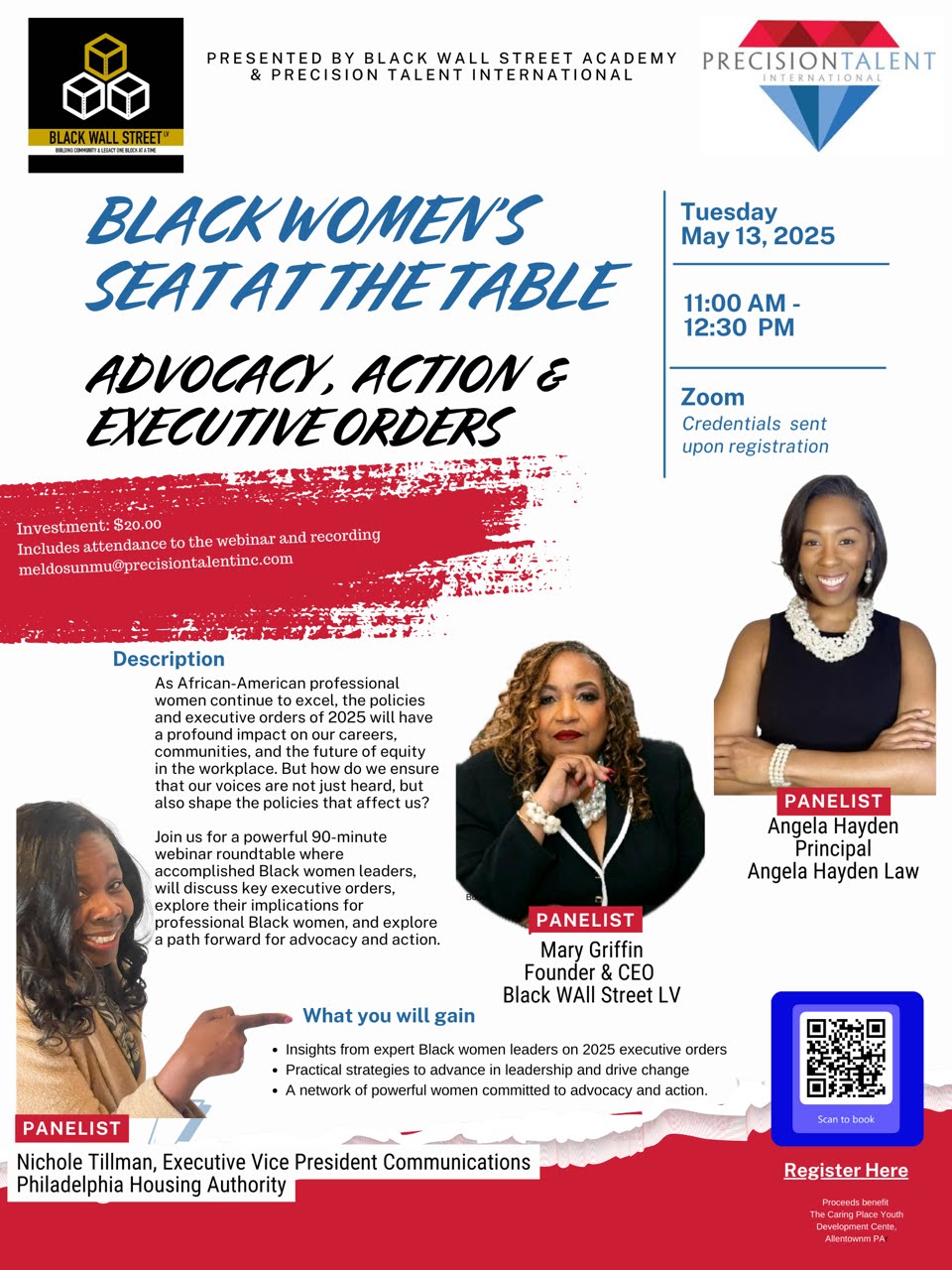
The Caring Place: A Legacy Under Siege
 Serving Youth. Building Community. Fighting Injustice. In the heart of Allentown, Pennsylvania, a city grappling with gentrification and deep-rooted racial divides, stands The Caring Place—a youth development center with a 30-year legacy built on faith, resilience, and service. Founded in 1996 by Mary Ellen Griffin, who used her own life savings to purchase the 36,000-square-foot building at 931 West Hamilton Street, The Caring Place has long served as a sanctuary for inner-city youth and marginalized families. It is a beacon for those cast aside by economic injustice, systemic racism, and bureaucratic neglect. But over the past decade, this vital institution has been the target of what many now consider an orchestrated campaign to dismantle it piece by piece. This is not just a story of a building under attack—it is the story of a movement under siege. This investigative op-ed aims to expose the long and disturbing pattern of racism, political suppression, and economic sabotage that has plagued The Caring Place and others like it across the Lehigh Valley. It is a warning to those who allow bigotry to fester in silence and a call to action for every citizen who believes in equity, justice, and community. Mary Ellen Griffin founded The Caring Place in 1996 with a vision to protect and empower the children of Allentown’s most disenfranchised neighborhoods. The center offers tutoring, mentoring, culinary arts training, entrepreneurship programs, and health care services. The fourth-floor clinic served over 3,000 patients annually, including undocumented immigrants who had nowhere else to turn. Griffin filled the gap left by government inaction, providing care and support to the city’s Black and brown children.


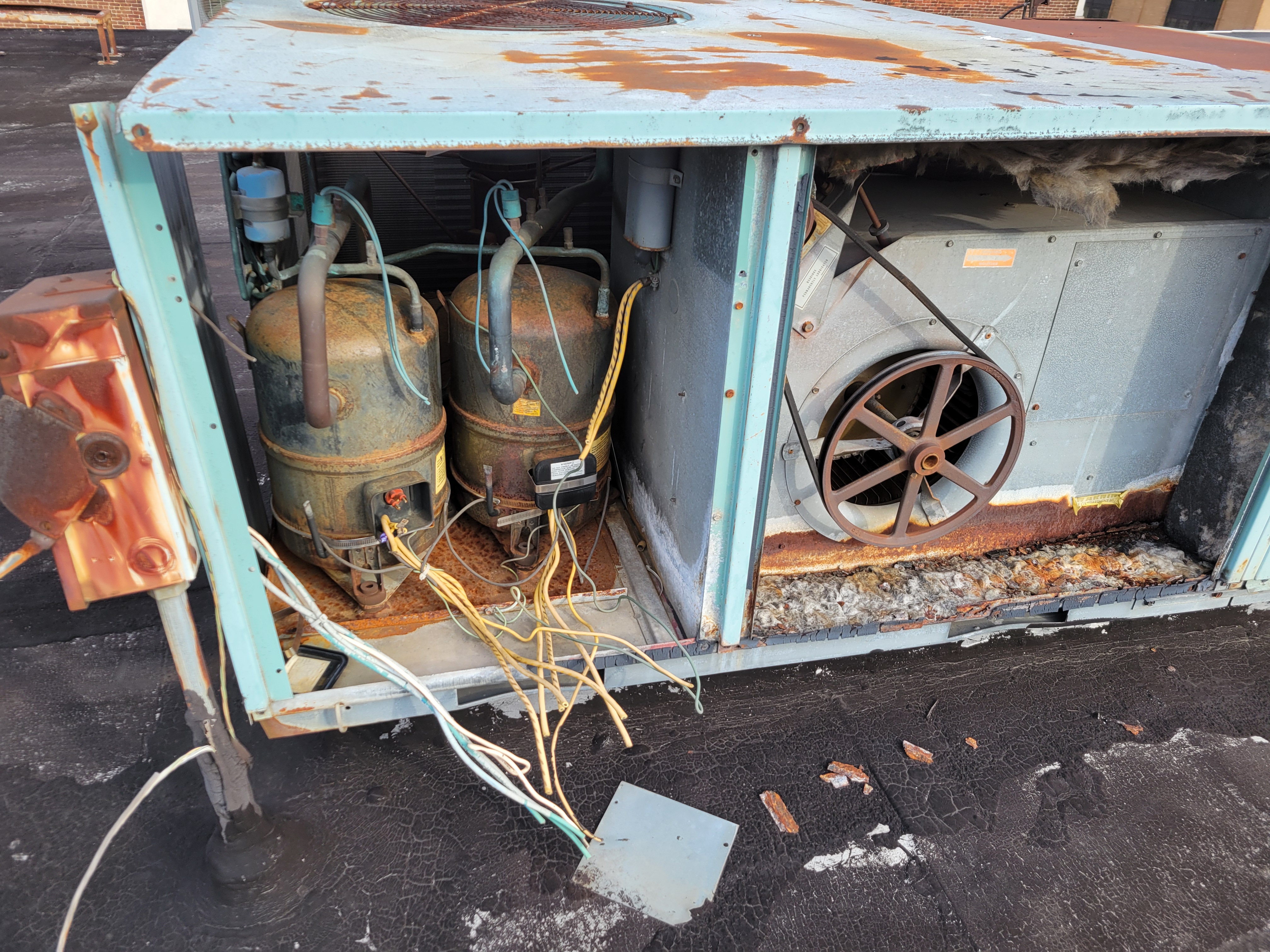
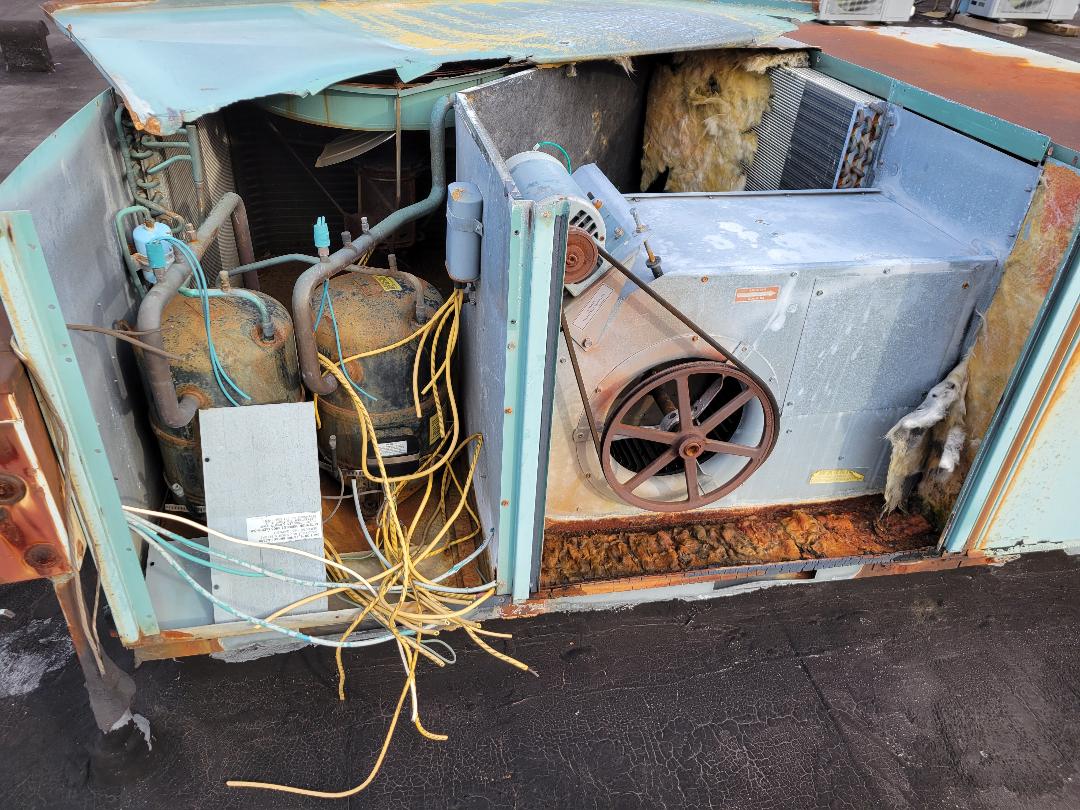
Yet despite its impact, The Caring Place has faced relentless hostility. Fire was set in the elevator shaft. Gas lines were maliciously cut and rerouted, posing fatal risks. All five industrial-grade air conditioning units were vandalized, their copper wires stripped and circuitry destroyed. The rooftop was punctured with drilled holes, leading to flooding that compromised the building’s electrical systems. Engineers later revealed that one area of damage came within two feet of the main structural beam—any further, and the building would have been condemned. These were not random acts of vandalism. They were deliberate, methodical, and chillingly efficient. Emergency lights and exit signs were removed, putting occupants at risk in case of fire. Unknown individuals were caught illegally entering the building, including one young man with a history of drug use who was found holding a list of damage instructions. He was arrested, but police never identified the driver of the vehicle that dropped him off. Cameras only captured the front of the car—another dead end.


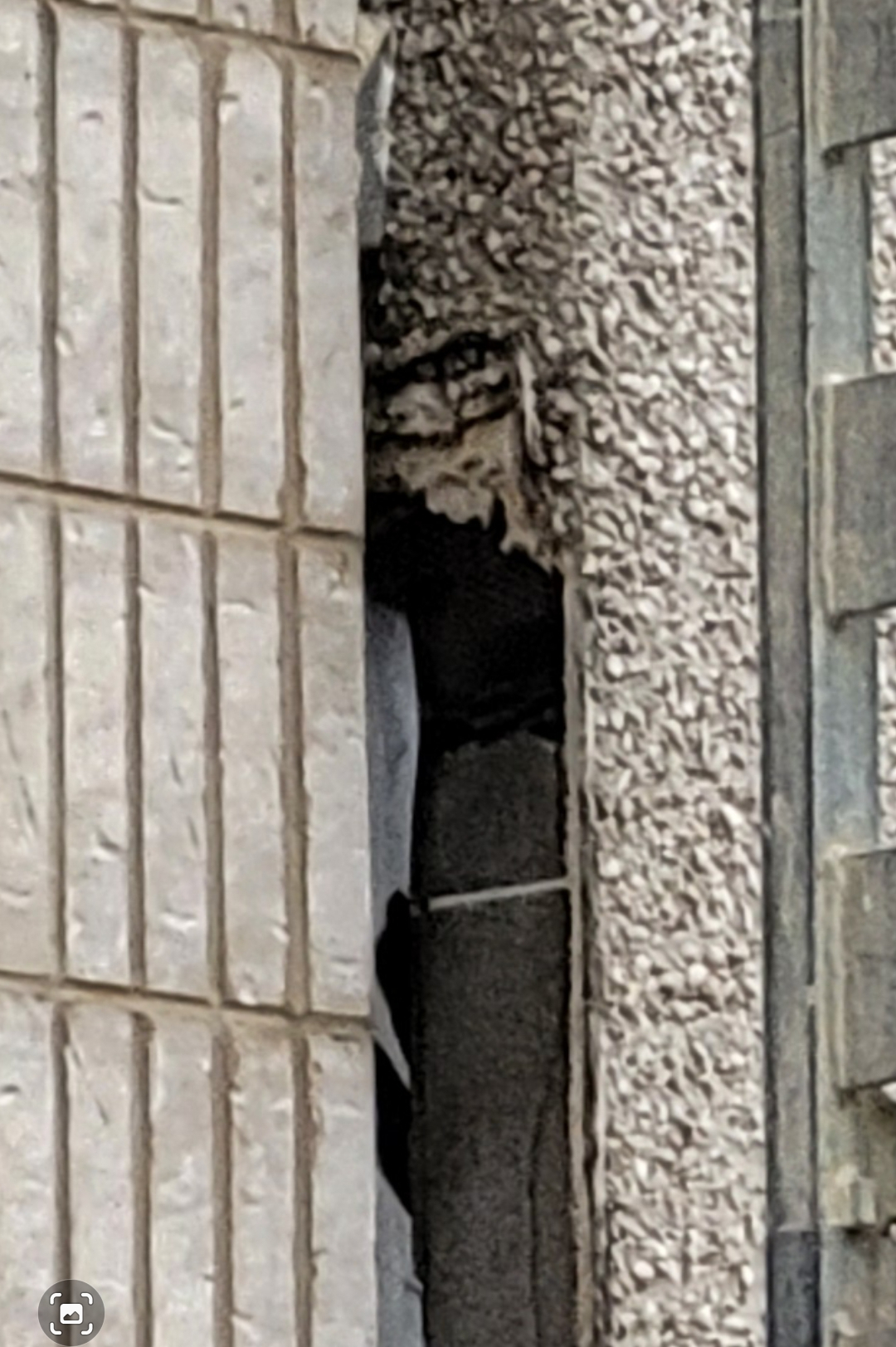 Instead of receiving help, The Caring Place became the target of city agencies. The Allentown Fire Marshal, Health Bureau, Building Standards, and even Animal Control showed up repeatedly, often without cause. Animal Control falsely accused the center of housing bats for children. Officials attempted to reclassify the facility as a daycare center, even though it clearly functioned as a youth development hub. Legal threats followed, and arrest warnings were issued. The city, rather than protecting a pillar of the community, sought to dismantle it. City records obtained through Right-to-Know requests show over 27 separate inspections at The Caring Place in just two years—more than any other nonprofit in the same district. In contrast, nearby NIZ-funded buildings received an average of three inspections in the same time frame. This disparity raises serious questions about selective enforcement and discriminatory targeting. In a moment of extreme overreach, an Allentown SWAT team pulled weapons on Mary Ellen Griffin over a simple parking dispute. Later, a judge labeled her "dangerous" and had her car impounded. Then came the legal ambush: former lawyer Matthew Croslis, who had become County Executive, quietly acquired the building’s mortgage and began foreclosure proceedings. Despite The Caring Place being current on payments, Croslis initiated litigation—openly admitting that the intent was to drain Griffin’s resources and keep her entangled in court battles. Legal experts suggest that Griffin may have grounds to pursue a Section 1983 claim under the Civil Rights Act, arguing that she was subjected to harassment and denial of equal protection under the law. Community defense groups have also recommended pursuing injunctive relief through federal courts to halt further targeting and to bring attention to discriminatory practices by public officials. Meanwhile, essential services were being gutted. The Community Action Committee of the Lehigh Valley (CACLV) sent an inspector who found a single cockroach and used that as justification to remove all food supplies from the pantry, devastating the food bank operation that fed hundreds weekly. The Lehigh Valley Health Network terminated its partnership with the on-site clinic after Griffin refused to surrender her building. That clinic, once a healthcare lifeline, now sits empty. The broader backdrop to this campaign of erosion is Allentown’s Neighborhood Improvement Zone (NIZ). Passed by the state legislature, the NIZ allows developers to use tax revenue to fund private development in a 130-acre downtown zone. On paper, it promised revitalization. In practice, it has turned Allentown into a playground for billionaire developers, whose firms now control much of the city’s commercial real estate. According to a 2014 Morning Call article, representatives approached Griffin with an offer: surrender part of her building or relocate to a less desirable neighborhood in exchange for continued tenancy. She refused. Soon afterward, the pressure escalated. Allentown’s cityscape has been reshaped by this public-private development model, but at what cost? Small Black-led nonprofits like The Caring Place are being muscled out, unable to compete with taxpayer-funded corporate expansion. The city’s poor—largely Black and Latino—are being priced out of their neighborhoods and written out of Allentown’s future. The NIZ, touted as a renaissance, has become a machine of quiet displacement. The experiences of The Caring Place are not isolated. Allentown has a documented history of racism, particularly within law enforcement and housing. In 2018, the ACLU of Pennsylvania filed a lawsuit against the Allentown School District for using police to discipline Black and Latino students, often with violent force. In 2020, a video surfaced showing an Allentown police officer kneeling on a man’s neck—a scene chillingly reminiscent of George Floyd’s murder. Further, in 2021, The Morning Call reported that Black and Latino applicants were routinely denied housing in certain Allentown neighborhoods, with landlords and realtors showing preference for white renters. The Fair Housing Council of the Lehigh Valley confirmed that race-based housing discrimination remains an ongoing problem. This systemic racism is not incidental—it is structural. It is built into the city’s zoning laws, policing strategies, and development plans. The targeting of The Caring Place is merely the latest chapter in a long history of institutionalized injustice. Nationally, the economic landscape is stacked against Black entrepreneurs. According to the U.S. Census Bureau’s Annual Business Survey, only 2.3% of all employer businesses are Black-owned. These businesses face the highest loan denial rates—more than double that of white-owned firms. The Federal Reserve’s 2022 Small Business Credit Survey showed that fewer than 30% of Black-owned firms received the full amount of financing they requested, compared to over 50% of white-owned businesses. During the COVID-19 pandemic, Black-owned businesses closed at nearly twice the rate of white-owned businesses. In Allentown, local business registries show that fewer than 50 Black-owned businesses exist in a city of nearly 126,000 people—less than 0.04% of all businesses. One local business owner, Ayesha Brooks of Soul Café, shared in a 2023 interview: “It’s like walking uphill with weights on. They tell us to compete, but the field isn’t level. When you’re Black and in business here, you’re either invisible or a threat.” The destruction of The Caring Place is not an accident. It is a test. A test of how far we are willing to let racism, greed, and silence go unchecked. It is a test of whether a society that claims to value diversity will defend its most vulnerable communities when they are under attack.

Mary Ellen Griffin is not just a community leader. She is a civil rights warrior. Her struggle is not hers alone—it is ours. If The Caring Place falls, we all lose. But if it stands, it becomes proof that the seeds of justice, once buried, can bloom even in poisoned soil. "We are still here. And we’re not going anywhere.", says, Mary Ellen Griffin. |













Slave Records By State
See: Slave Records By State
Freedmen's Bureau Records
See: Freedmen's Bureau Online
American Slavery Records
See: American Slavery Records
American Slavery: Slave Narratives
See: Slave Narratives
American Slavery: Slave Owners
See: Slave Owners
American Slavery: Slave Records By County
See: Slave Records By County
American Slavery: Underground Railroad
See: American Slavery: Underground Railroad
