Black Wall Street State Council On The Move.
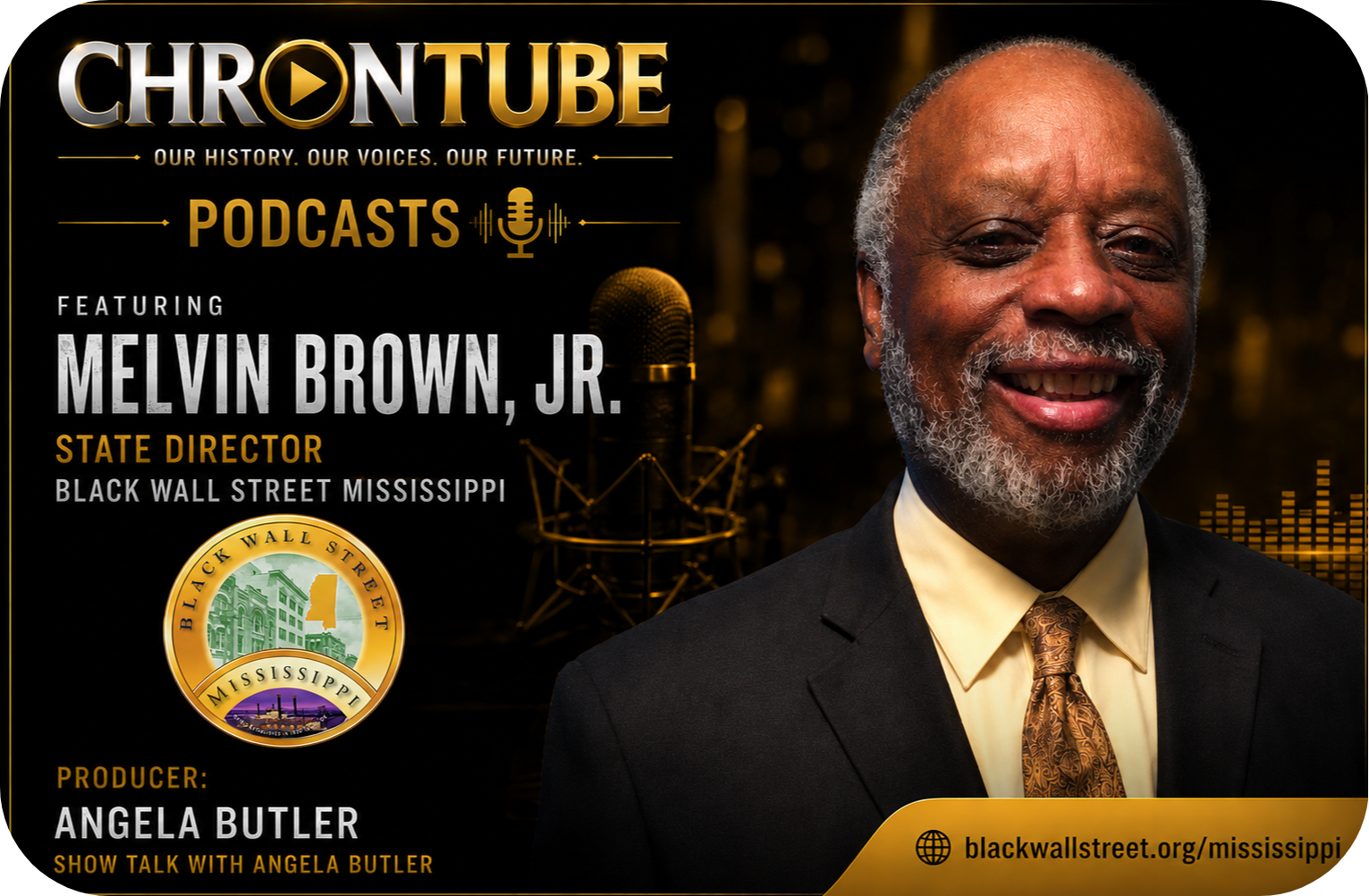
The Black Wall Street Mississippi State Council stands as a vital arm of the broader Black economic empowerment movement, working to rebuild, reconnect, and reinvest in historically underserved communities across the state. As part of the national framework of Black Wall Street USA, the council focuses on fostering entrepreneurship, cultural preservation, and cooperative economics. Its mission reflects a long-standing legacy rooted in the original Black Wall Street of Tulsa, yet adapted to the modern realities of Mississippi’s economic landscape—where opportunity, equity, and ownership remain central goals for sustainable development.
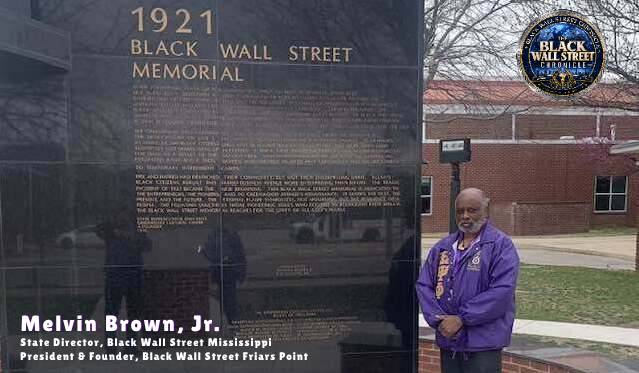
At the helm of this statewide effort is Melvin Brown, who serves as State Director of Mississippi with a strong base of leadership in Friars Point. His work is complemented by Mauricka McKenzie, Vice State Director based in Clinton, whose leadership strengthens the council’s reach across central Mississippi. Together, their leadership represents a balance of grassroots organizing and strategic expansion, ensuring that both rural Delta communities and urban centers are included in the movement’s growth. Their roles are part of a broader leadership network within Black Wall Street USA that emphasizes coordinated state-level action tied to national objectives.
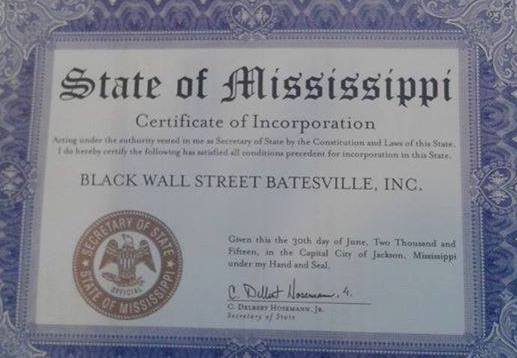
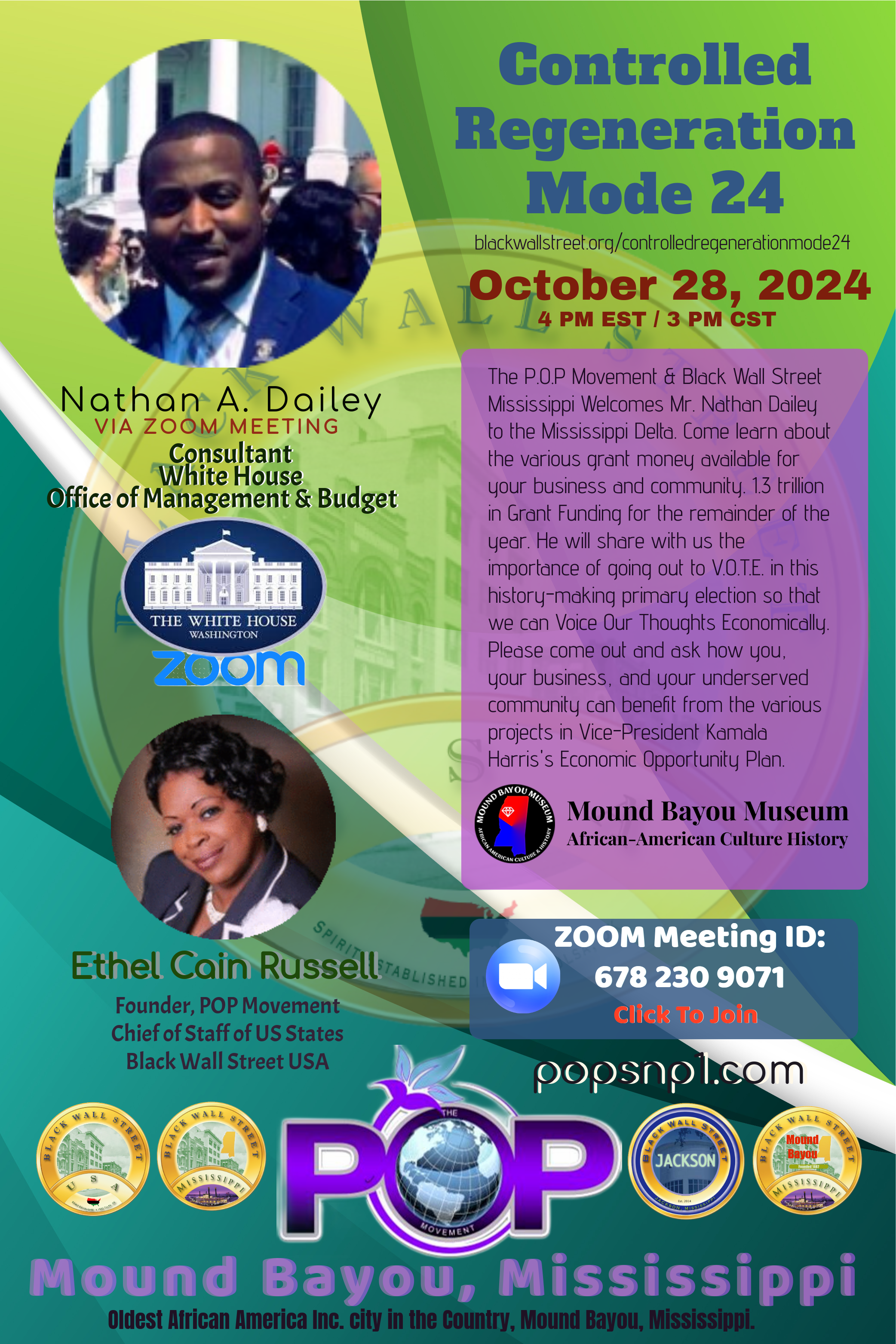
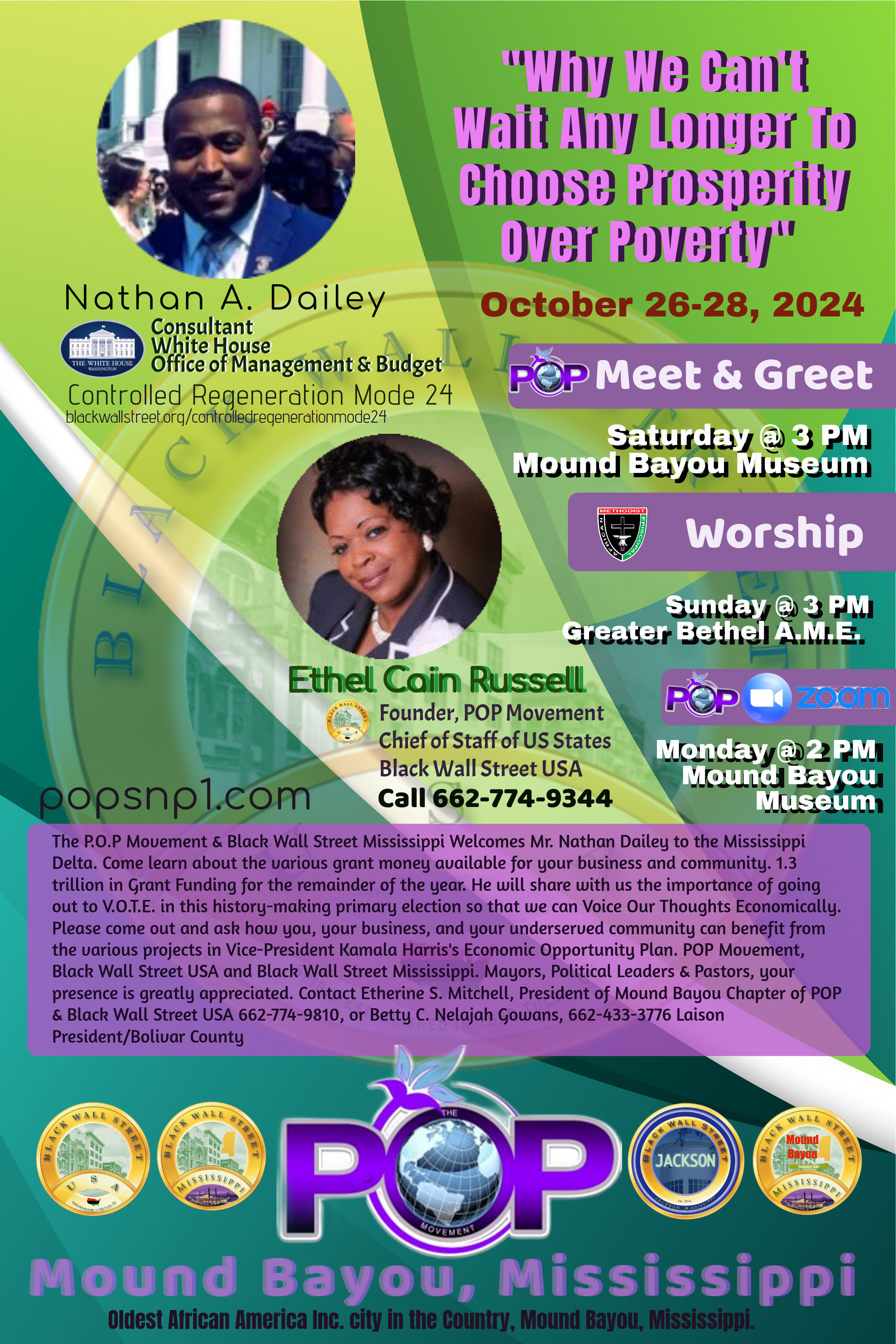
A foundational architect of the Mississippi expansion is Ethel Cain Russell, former State Director and now Deputy Chief of Staff of U.S. States. Under her leadership, the framework for multiple Black Wall Street districts across Mississippi was established, including Black Wall Street Clarkedale, Black Wall Street Clinton, Black Wall Street Batesville, Black Wall Street Mound Bayou, and Black Wall Street Jackson. These districts represent more than geographic markers—they are intentional hubs for economic circulation, business incubation, and cultural restoration. Russell’s contributions also include programmatic initiatives aimed at empowering women, strengthening financial literacy, and building long-term institutional capacity within Black communities.
The philosophical direction of the movement in Mississippi was significantly sharpened by a pivotal 2015 Poverty Tour of the Mississippi Delta led by Dr. Michael Carter, Sr., founder and national president of the Black Wall Street Global Movement. This tour exposed systemic economic disparities while also highlighting untapped potential within Delta communities. More importantly, it served as a strategic inflection point—clarifying the movement’s long-term vision not just for immediate recovery, but for a structured, multi-generational plan extending hundreds of years into the future. Carter’s leadership emphasized that economic empowerment must be intentional, spiritually grounded, and institutionally sustained to achieve lasting transformation.
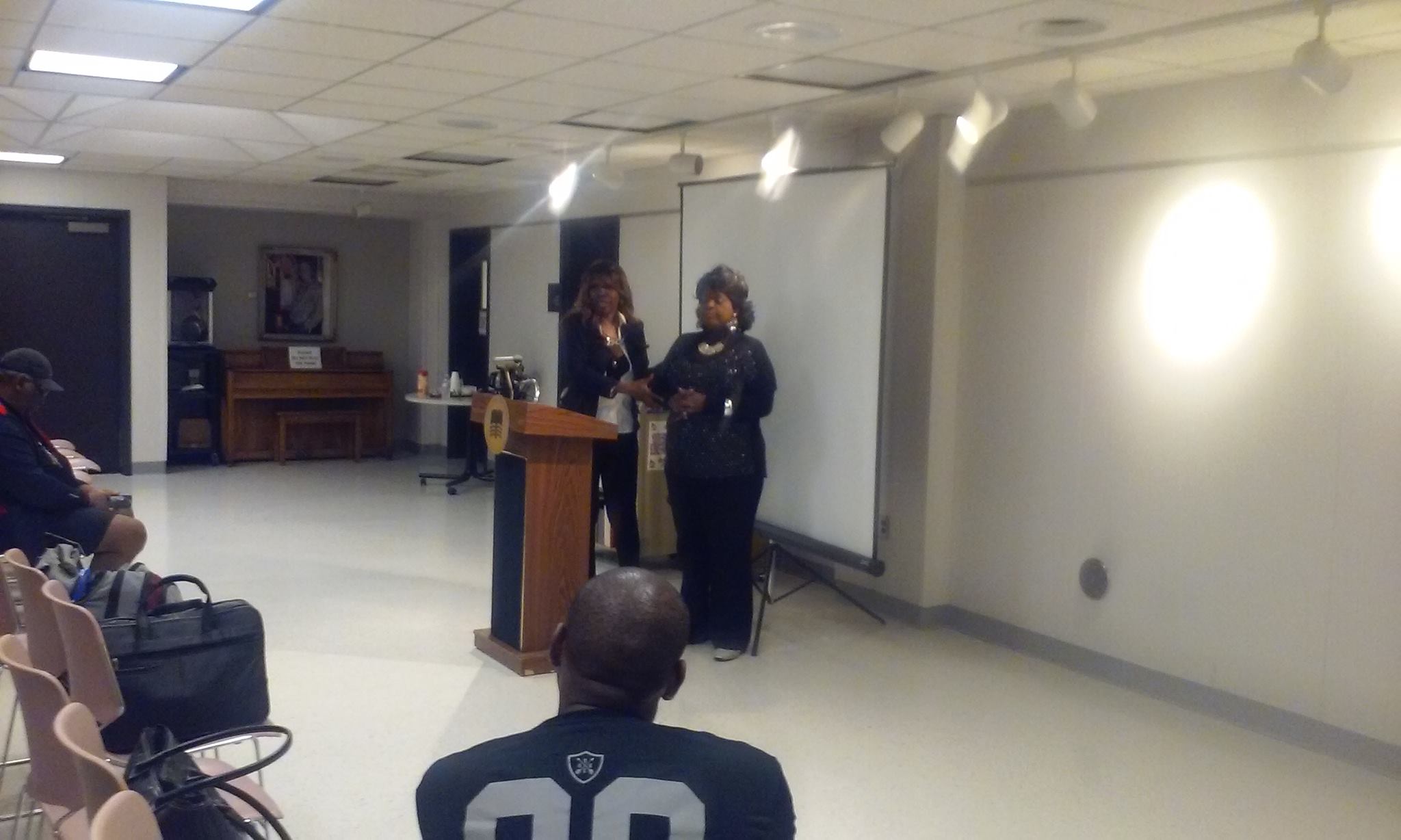
Today, the Black Wall Street Mississippi State Council continues to evolve as both a movement and a model. Through coordinated leadership, district expansion, and a clearly defined long-term vision, it is laying the groundwork for economic ecosystems that prioritize ownership, education, and community resilience. From Friars Point to Jackson, the council’s work reflects a broader national effort to reclaim economic narratives and build generational wealth. With leaders like Melvin Brown, Mauricka McKenzie, and Ethel Cain Russell carrying the vision forward, Mississippi is emerging as a powerful example of how localized action can contribute to a global movement designed to endure for the next 300 years and beyond.
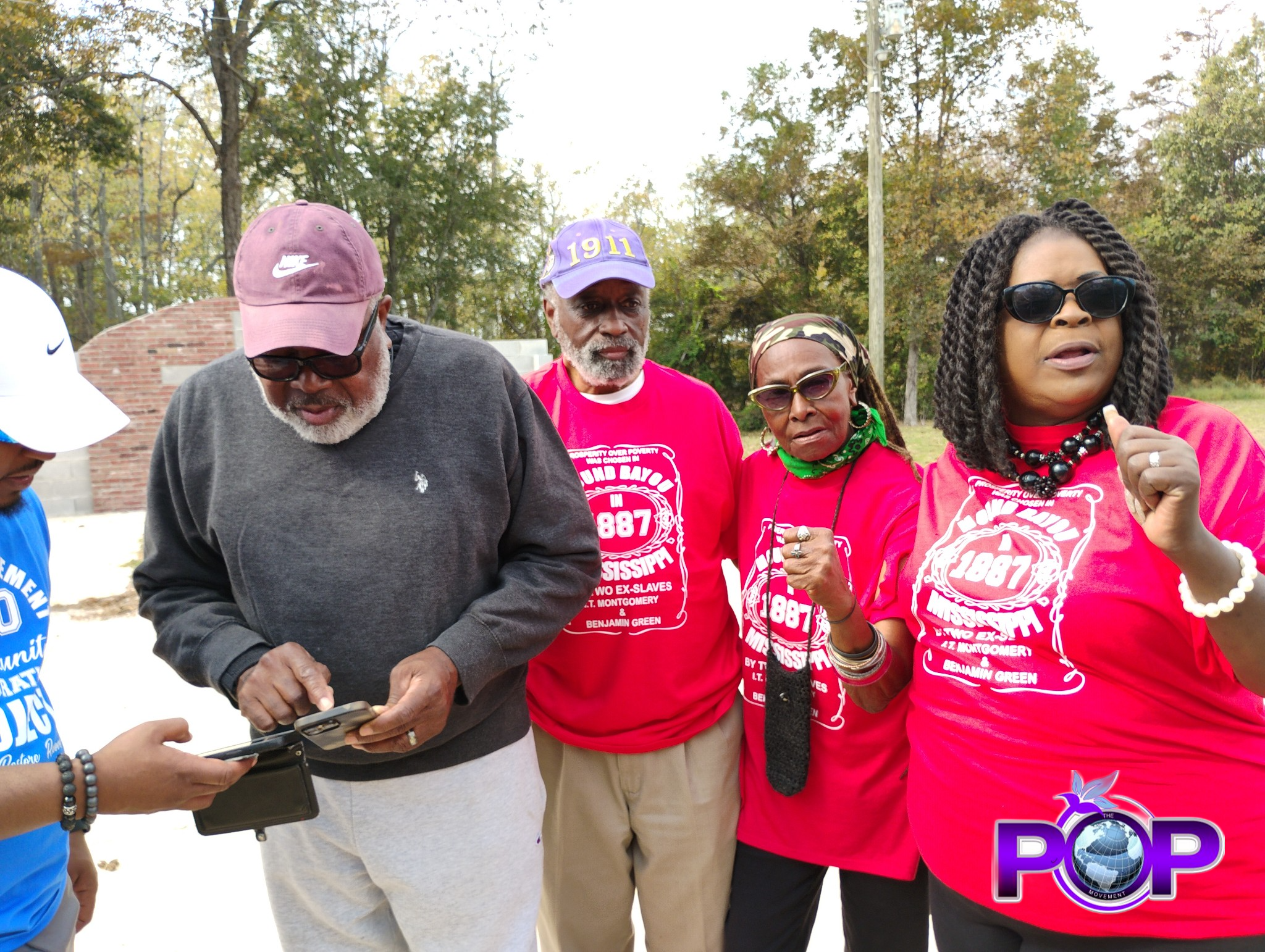
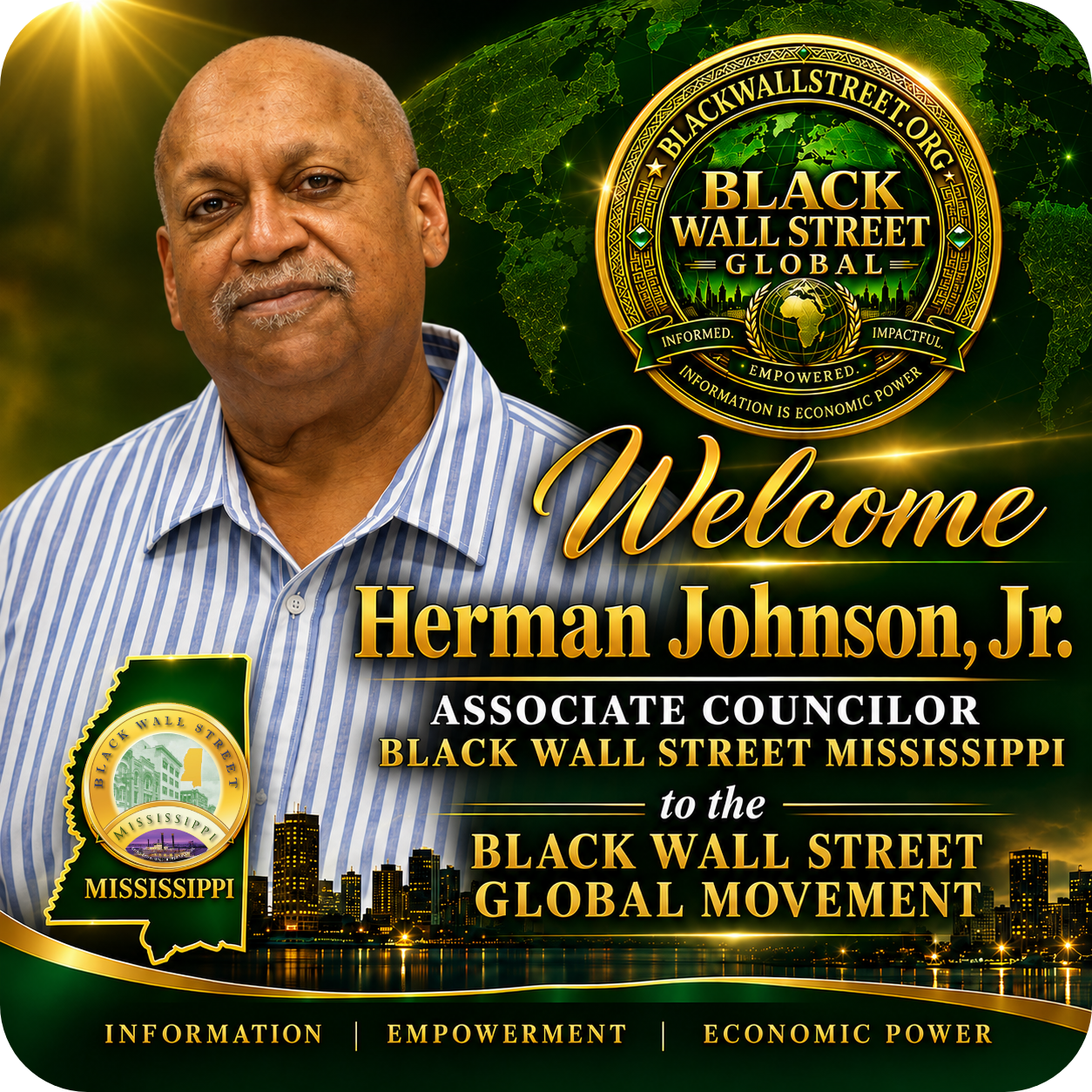


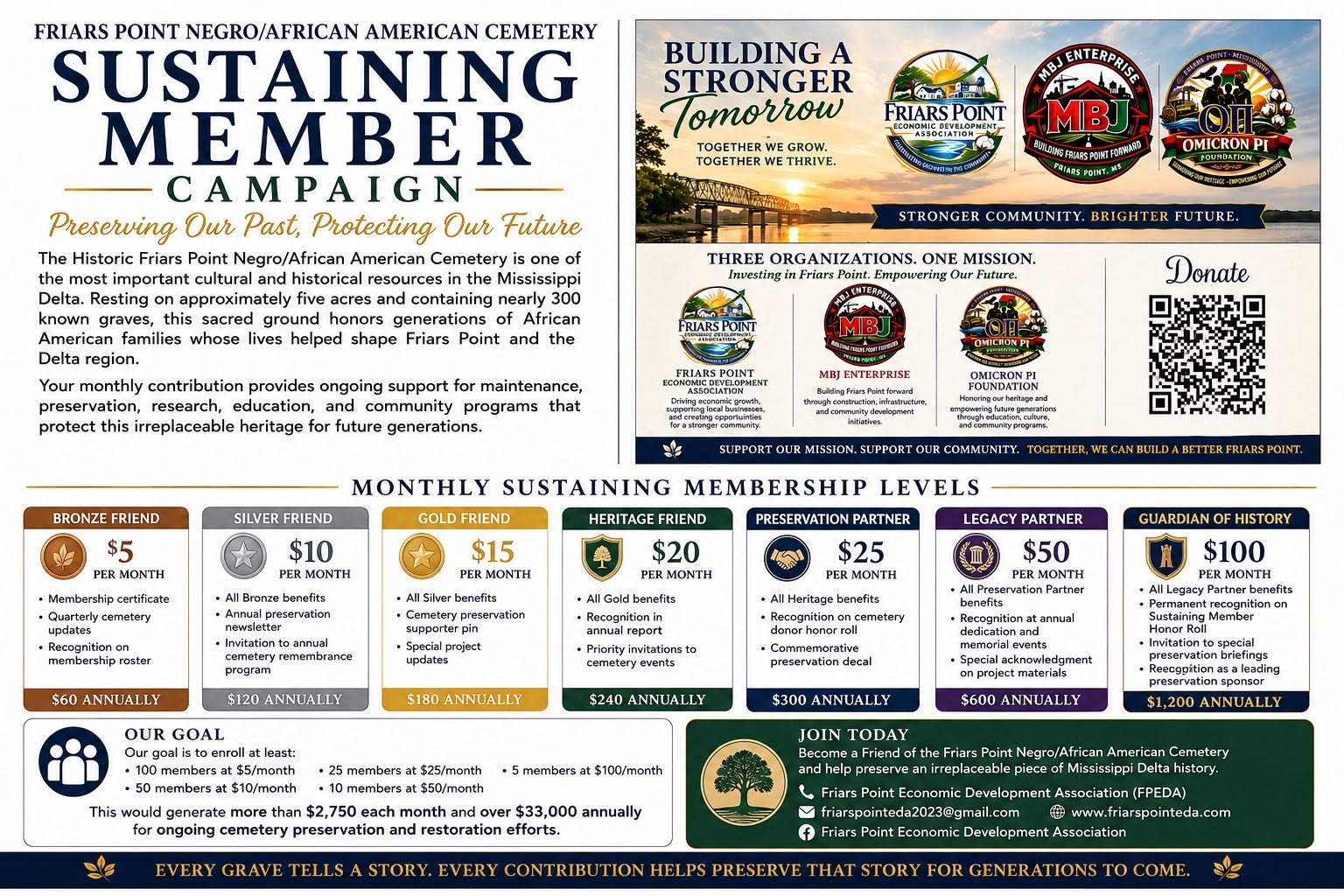





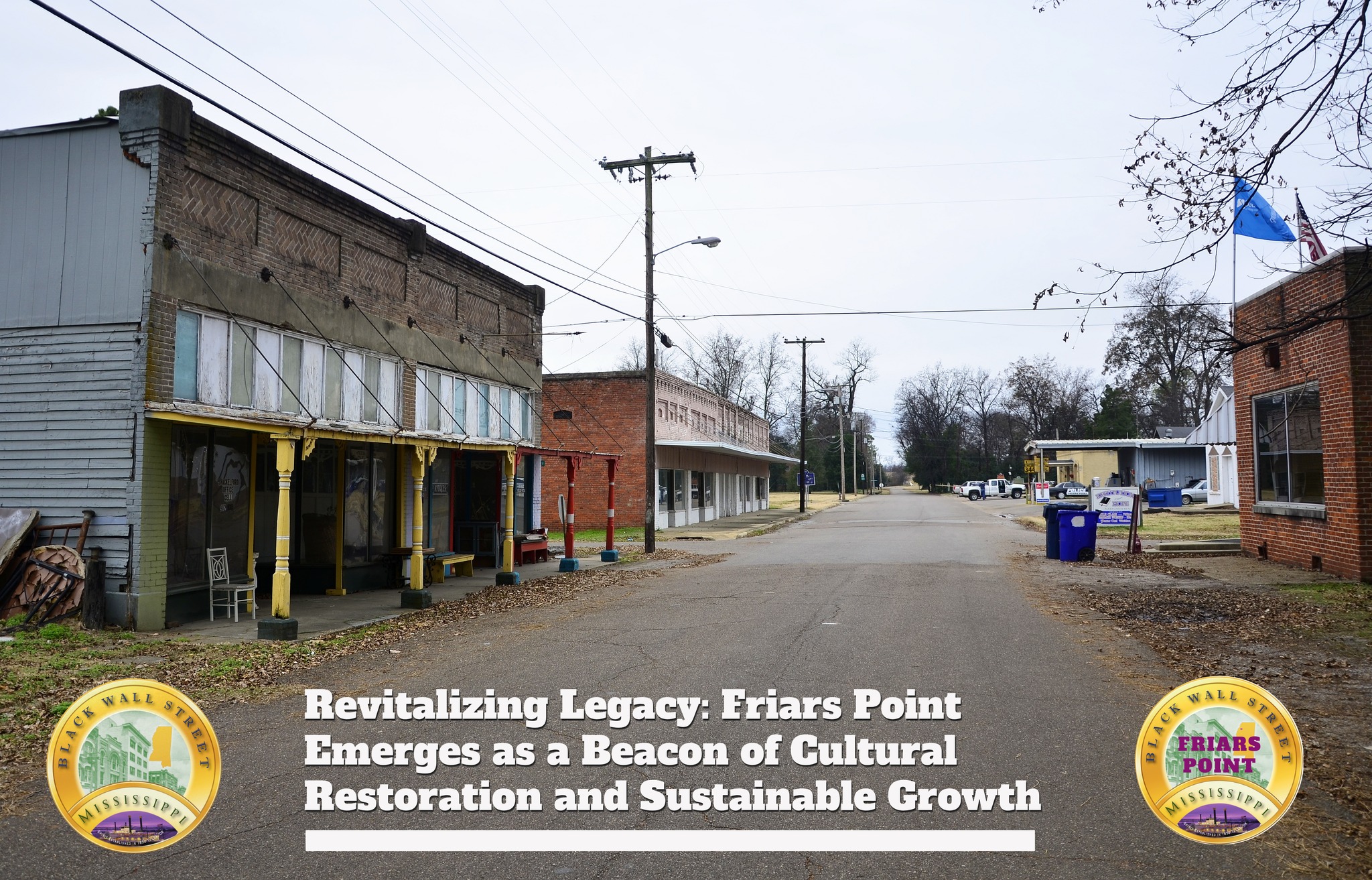
In the heart of Mississippi’s Delta, Friars Point is emerging as a beacon of transformation—a community steadily redefining its narrative through authentic engagement, heritage reclamation, and visionary planning. At the forefront of this resurgence is the Friars Point Economic Development Association (FPEDA), founded by the Omicron Pi Foundation, and powered by a dedicated network of community leaders, partners, and residents. Meeting monthly via Zoom and in person, the FPEDA has evolved into a dynamic incubator where bold ideas are translated into actionable plans—restoring culture, revitalizing land, and reigniting the economic spirit that once fueled historic Black communities across America.
Melvin Brown, State Director of Black Wall Street Mississippi, spearheading much of this transformative progress, whose leadership has breathed new life into Friars Point's potential. Brown's work embodies the enduring principles of Black Wall Street—economic empowerment, cultural preservation, and unity through grassroots organizing.
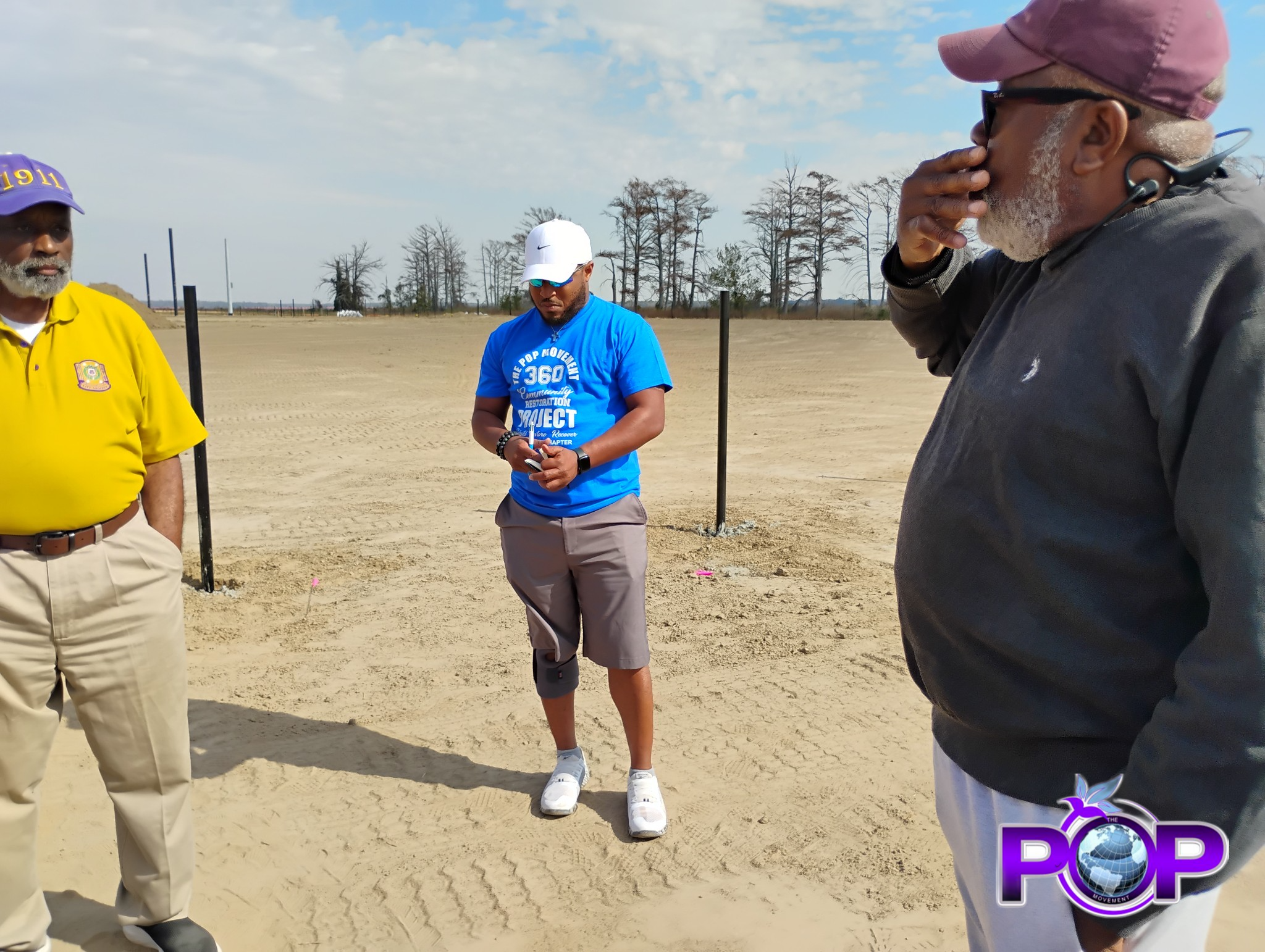
In the short term, the progress is visible and tangible. Volunteers have banded together to restore the historic Friars Point Negro/African American Cemetery, a sacred resting place whose stories span generations. Through cleanup drives, research initiatives, and digital mapping, the community is reclaiming its ancestors’ narratives, bringing dignity and visibility to lives long overlooked.

Looking ahead, the mid-term benefits of the FPEDA's initiatives are already shaping new dimensions of civic life. The monthly meetings have evolved into forums for innovation, economic literacy, historical preservation, and community empowerment. Residents are learning not only how to plant seeds in soil, but how to grow ideas into lasting institutions. Under Melvin Brown’s guidance, FPEDA has launched heritage tours, small business mentorship circles, youth leadership development, and even early-stage plans for a digital archive that honors the town’s Civil Rights and Reconstruction-era figures.
FPEDA's initiatives are creating deep, layered connections: between young and old, past and future, land and legacy. Youth in Friars Point are not only learning agricultural skills but also interviewing elders for oral history archives. Local entrepreneurs are receiving guidance on developing cooperative business models. Churches, schools, and cultural organizations are aligning with the development vision to ensure wide participation and shared benefits. As State Director of Black Wall Street Mississippi, Brown has amplified these efforts by building partnerships with regional universities, health organizations, agricultural experts, and national heritage nonprofits. These alliances ensure that Friars Point doesn’t just dream of transformation—it executes it, with technical support and measurable outcomes.
The long-term vision of the FPEDA is to secure a lasting legacy that echoes far beyond the borders of Coahoma County. Plans are underway to launch a community heritage museum, develop a cultural entrepreneurship hub, and formalize Friars Point as a site of national interest for African American history tourism. These initiatives will honor Black Wall Street’s foundational principles—ownership, literacy, self-determination—and bring them to life in ways that are accessible, inclusive, and generative. The work in Friars Point is already influencing similar efforts in other Delta communities, where residents are now attending FPEDA meetings, seeking guidance from Melvin Brown, and studying Friars Point’s replicable model of engagement. A vision that began in quiet conversations is now resonating across state lines—reinvigorating hope, investment, and solidarity.
“This is how we reclaim the legacy that was stripped from us—not through monuments alone, but through movement,” said Chan. “And Friars Point is moving, fast and forward.” From each weed pulled in the cemetery to each seed planted in a garden bed, Friars Point is turning intention into action. Its people are laying the bricks for a legacy that will endure. And through the guidance of leaders like Brown, supported by the global network of Black Wall Street USA, that legacy is not only being built—it is being broadcast as a call to rise. For ongoing updates, and vibrant community stories, and to become a part of this revitalization journey, follow the Friars Point Economic Development Association on our Facebook page and explore our dedicated website. Each connection helps sustain this transformative project's momentum, ensuring that Friars Point's legacy resonates well beyond its borders.

The Omicron Pi Foundation centers its mission on strengthening community well-being and fostering cultural pride in Friars Point. Its initiatives emphasize youth engagement and resident empowerment, encouraging individuals to take an active role in shaping the town’s future. Through collaboration and innovative programming, the foundation seeks to build a vibrant, forward-looking community that remains deeply connected to its historical roots while pursuing long-term prosperity.
At the core of the foundation’s approach is the belief that meaningful change is driven by collective participation. By offering a diverse range of programs, the organization works to inspire personal growth, build confidence, and promote unity among residents. This inclusive strategy not only reinforces a shared sense of purpose but also positions Friars Point as a community where individuals are both contributors to and beneficiaries of sustainable development.
Black Wall Street USA and Black Wall Street Mississippi proudly celebrate the remarkable achievement of Tony A. Reimonenq Jr., his wife Elizabeth, and their three sons for their recent acquisition of a 20-unit strip mall in Hattiesburg, Mississippi. This significant milestone is not only a victory for their family but also a transformative step forward for Black entrepreneurship, economic empowerment, and community development.
The acquired property is nestled in the thriving Oak Grove community, a location poised for remarkable growth and transformation. Tony A. Reimonenq Jr. and his family have an ambitious and visionary plan for this commercial space: to shape it into a spiritual and economic likeness of the Historic Greenwood District in Tulsa, Oklahoma, which was famously known as Black Wall Street. This vision is deeply rooted in the historical significance of Black business districts and the vital role they played in fostering economic independence, generational wealth, and community unity.
The Reimonenq family’s commitment to reviving the spirit of Black Wall Street is an extraordinary testament to resilience, determination, and an unwavering belief in economic justice. Their family-owned firm, Reimonenq & Co LLC., brokered the million-dollar deal, a feat that is almost unheard of in the state of Mississippi. This historic transaction not only underscores their business acumen but also sets a precedent for other Black-owned businesses seeking to establish strong economic footprints in the state.
The newly acquired property, aptly named Greenwood Plaza, is one of two major commercial independent expansions for Reimonenq & Co LLC. The significance of this expansion cannot be overstated, as it stands as a beacon of hope and inspiration for aspiring entrepreneurs who seek to uplift themselves and their communities through economic empowerment. CEO Tony A. Reimonenq Jr. expressed his profound motivation behind this endeavor, stating, “I’ve always had a heart to help others succeed, but to do that I first had to succeed. I’ve dreamed of having a location from which others like myself can work and draw inspiration from the Tulsa Historic Greenwood District.”
His words highlight the essence of Black economic empowerment—a movement not just about individual success but about creating pathways for others to rise. The Greenwood Plaza is envisioned as more than just a commercial space; it is a hub of opportunity, a center for collaboration, and a symbol of what is possible when vision, faith, and hard work converge.
In further elaborating on his mission, Reimonenq Jr. stated, “I want to empower the people at the bottom of the pyramid who just need an opportunity. They aren’t lazy. They work hard but just haven’t learned how to win yet. I know how and want to link up with them to be a part of helping to not only change the trajectory of their lives and the lives of their families but of our communities as a whole. I see it as a civic duty.”
This perspective reflects an acute awareness of the systemic barriers that have historically hindered Black economic progress. The Reimonenq family’s approach is rooted in the philosophy that true empowerment comes not from handouts but from providing the necessary tools, resources, and opportunities to help individuals build sustainable success.
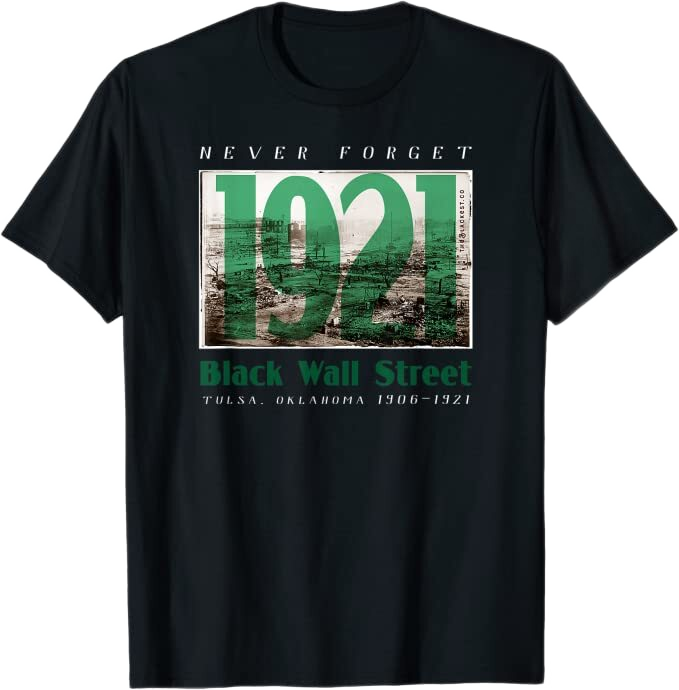
Historically, Black Wall Street in Tulsa, Oklahoma, was one of the most affluent Black communities in the early 20th century. It housed thriving Black-owned businesses, banks, law offices, medical practices, and more. However, the Tulsa Race Massacre of 1921 devastated this community, erasing decades of progress in a matter of days. Despite this tragic history, the spirit of Black Wall Street endures, and entrepreneurs like the Reimonenq family are committed to carrying that torch forward.
The Greenwood Plaza will feature a diverse array of businesses that align with the vision of economic and cultural revitalization. The Reimonenq family envisions a space that will house Black-owned retail shops, restaurants, professional offices, and incubators for budding entrepreneurs. This commercial center will serve as a place where business owners can thrive, network, and inspire one another to push the boundaries of success.
Community engagement and development are central to the Reimonenqs’ vision. They plan to integrate educational workshops, mentorship programs, and business training initiatives into the fabric of Greenwood Plaza. These programs will equip young entrepreneurs with the knowledge and skills needed to navigate the business world successfully. By fostering an environment of collaboration and learning, the Plaza will become a center of economic literacy and innovation.
The economic impact of this project will extend far beyond the businesses themselves. Job creation will be a key outcome, offering employment opportunities to local residents. This, in turn, will stimulate economic activity, increase homeownership rates, and contribute to overall community stability. The presence of successful Black-owned businesses in Hattiesburg will also serve as a catalyst for other entrepreneurs who may have hesitated to step into the business world due to a lack of representation or access to capital.

This acquisition and revitalization effort also challenge long-standing narratives about economic limitations in Black communities. The Reimonenq family is proving that with the right mindset, strategy, and determination, transformative change is possible. Their work stands as an example of what happens when Black entrepreneurs take ownership of their economic destiny and reinvest in their communities.
In conclusion, Black Wall Street USA and Black Wall Street Mississippi wholeheartedly applaud Tony A. Reimonenq Jr., his wife Elizabeth, and their three sons for their groundbreaking achievement. Their acquisition of the 20-unit strip mall in Hattiesburg, Mississippi, is a testament to their commitment to economic empowerment, historical preservation, and community upliftment. Greenwood Plaza is not just a business endeavor—it is a movement, a renaissance, and a powerful declaration that Black economic excellence is alive and thriving.
The Reimonenq family’s journey serves as a powerful reminder that the legacy of Black Wall Street is not just a relic of the past but a blueprint for the future. Through their efforts, they are rekindling the entrepreneurial spirit that once defined the Greenwood District and ensuring that future generations have access to the resources, opportunities, and inspiration needed to succeed. Their work is a clarion call to other Black entrepreneurs, investors, and community leaders to take charge of their economic destinies and contribute to a thriving and self-sustaining Black economy.
In response to this awesome news, Shirley Henderson, senior vice national administrator for Black Wall Street USA said, "This aquisition effort exibits a committed and genuine spirit of selflessness and clear vision. It is so encoraging to see our ansestors paid true homage with developments like Hattiesburg, Mississippi, Black Wall Street Sacramento, Black Wall Street Bridgeport, New Black Wall Street Marketplace and Black Wall Street Hampton Love Joy in Georgia."

The landscape of black entrepreneurship in Mississippi is evolving rapidly. Despite historical economic challenges, black-owned businesses are growing, contributing significantly to the state’s economy and fostering generational wealth. This article delves into the progress, challenges, and expansion strategies of black-owned businesses in Mississippi, backed by relevant statistics and trends.
Black entrepreneurship in Mississippi dates back to the Reconstruction era when African Americans sought economic independence through self-employment. However, Jim Crow laws, segregation, and discriminatory financial practices limited their expansion for decades. The Civil Rights Movement and subsequent legal reforms laid the groundwork for a more conducive business environment.
Today, Mississippi has witnessed a steady increase in black-owned businesses. According to the U.S. Census Bureau’s Annual Business Survey, there are approximately 41,000 black-owned businesses in Mississippi, accounting for a significant share of minority enterprises. Black-owned businesses contribute over $3 billion to the state’s economy annually. The majority of these businesses operate in industries such as healthcare, retail, professional services, and food services.
Despite progress, black business owners still face systemic barriers, including access to capital, limited networking opportunities, economic disparities, and infrastructure challenges. Many black entrepreneurs struggle to secure loans and funding from traditional financial institutions due to lower credit scores and historical lending discrimination.
Business expansion relies heavily on networking and mentorship, which many black entrepreneurs lack due to historical exclusion from established business circles. Racial wealth gaps limit startup capital and the ability to sustain business operations during downturns. Many black-owned businesses operate in underdeveloped areas, limiting their market reach and growth potential.
Several organizations and programs in Mississippi aim to bridge the funding gap, such as the Mississippi Small Business Development Center (SBDC), Black Wall Street USA (BWSUSA), the Prosperity Over Poverty Movement (POP), Black Wall Street Mississippi Council (BWSMSC) the Black Business Association of Mississippi (BBAM), and federal grant programs like the Minority Business Development Agency (MBDA).
The digital era provides new growth opportunities through e-commerce platforms like Shopify and Etsy, social media marketing, and mobile payment solutions such as Square and Cash App. Participation in black chambers of commerce and business associations fosters community support, strategic partnerships with larger corporations provide mentorship and financial backing, and crowdfunding platforms serve as alternative funding sources.
Government and corporate support initiatives play a key role in helping black-owned businesses thrive. Supplier Diversity Programs from major corporations such as Walmart and FedEx are designed to increase procurement from minority-owned businesses. Additionally, Mississippi offers various tax incentives for small business owners, which can be leveraged for expansion. Several black entrepreneurs have successfully scaled their businesses in Mississippi.
Notable examples include B&B Foods, a black-owned restaurant chain that has expanded across multiple locations in the state, JXN Tech Solutions, a tech startup founded by African American entrepreneurs providing IT services and tech solutions nationwide, and Southern Elegance Candle Co., a black-owned home goods brand that has expanded its reach through e-commerce and retail partnerships.
Black Wall Street USA and Black Wall Street Mississippi applaud Tony A. Reimonenq Jr, his wife Elizabeth, and their three sons for the recent acquisition of a 20-unit strip mall in Hattiesburg, Mississippi. The property is nestled in the Oak Grove community. The plan is to transform the strip mall into a spiritual likeness of the Historic Greenwood District in Tulsa, Oklahoma.
The family-owned firm Reimonenq & Co LLC. brokered the million-dollar deal, which is unheard of in the state of Mississippi. The Greenwood Plaza is one of two major commercial independent expansions for Reimonenq & Co LLC. CEO Reimonenq Jr. said, “I’ve always had a heart to help others succeed, but to do that I first had to succeed. I’ve dreamed of having a location from which others like myself can work and draw inspiration from the Tulsa Historic Greenwood District.”
“I want to empower the people at the bottom of the pyramid who just need an opportunity,” he stated. “They aren’t lazy. They work hard but just haven’t learned how to win yet. I know how and want to link up with them to be a part of helping to not only change the trajectory of their lives and the lives of their families but of our communities as a whole. I see it as a civic duty.”
The economic significance of projects such as Greenwood Plaza cannot be understated. As historically black communities work to reclaim financial sovereignty, investments in commercial real estate serve as a catalyst for broader economic revitalization. The model set by the Reimonenq family is a blueprint for self-sufficiency, community empowerment, and long-term economic success. Their vision, reminiscent of the legendary Black Wall Street in Tulsa, serves as a reminder of the entrepreneurial excellence within black communities, reinforcing the importance of ownership and cooperative economics.
This expansion aligns with the broader movement of rebuilding black business districts across the nation. Mississippi’s black business landscape has suffered from decades of underdevelopment, redlining, and gentrification. However, strategic investments like those made by Reimonenq & Co LLC demonstrate that black entrepreneurship can reclaim its economic stronghold. By developing mixed-use spaces that foster business growth and entrepreneurship, Greenwood Plaza has the potential to become a beacon of black economic empowerment and generational wealth.
Financial literacy is also a key factor in sustaining black business growth. Access to capital is only part of the equation; knowing how to manage, invest, and reinvest profits is crucial for long-term stability. Black business owners in Mississippi are increasingly turning to financial education programs that teach investment strategies, tax advantages, and asset protection. This is particularly relevant for commercial property owners like the Reimonenq family, whose investment in Greenwood Plaza is not only about immediate gains but also about establishing a sustainable economic ecosystem.
Moreover, networking opportunities and mentorship programs play a pivotal role in business success. Initiatives like the Black Business Association of Mississippi provide entrepreneurs with access to industry leaders, mentorship, and critical business resources. These platforms allow emerging business owners to gain insights into market trends, operational efficiency, and scalability. Through these connections, businesses within Greenwood Plaza can thrive by leveraging shared knowledge, cooperative marketing efforts, and strategic partnerships.
Expanding black-owned businesses in Mississippi also requires policy advocacy. Legislative support for black entrepreneurs can include initiatives such as low-interest business loans, state-funded grants, and tax incentives for minority business owners. Ensuring that policymakers prioritize economic initiatives aimed at minority entrepreneurs will create an environment where businesses can thrive without the historical financial and systemic obstacles that have hindered growth in the past.
Looking ahead, the future of black entrepreneurship in Mississippi is promising. As more black-owned businesses gain access to capital, leverage digital transformation, and expand their networks, the potential for economic prosperity continues to grow. Business districts like Greenwood Plaza can serve as incubators for new enterprises, fostering job creation and community wealth-building. By reinvesting in their own communities, black entrepreneurs are creating a cycle of economic empowerment that will benefit generations to come.
Mississippi has the potential to become a hub for black entrepreneurship. With increasing support from governmental and private entities, initiatives like Greenwood Plaza set the stage for future developments that prioritize black economic growth. The momentum is building, and as more black business owners seize opportunities to own property, expand their businesses, and create lasting legacies, the economic landscape of Mississippi will continue to transform.
Black-owned businesses in Mississippi are a testament to resilience, innovation, and the power of community-driven economic development. The continued efforts of entrepreneurs like Tony A. Reimonenq Jr. and his family signal a new era of economic empowerment and sustainable wealth-building for black communities across the state.



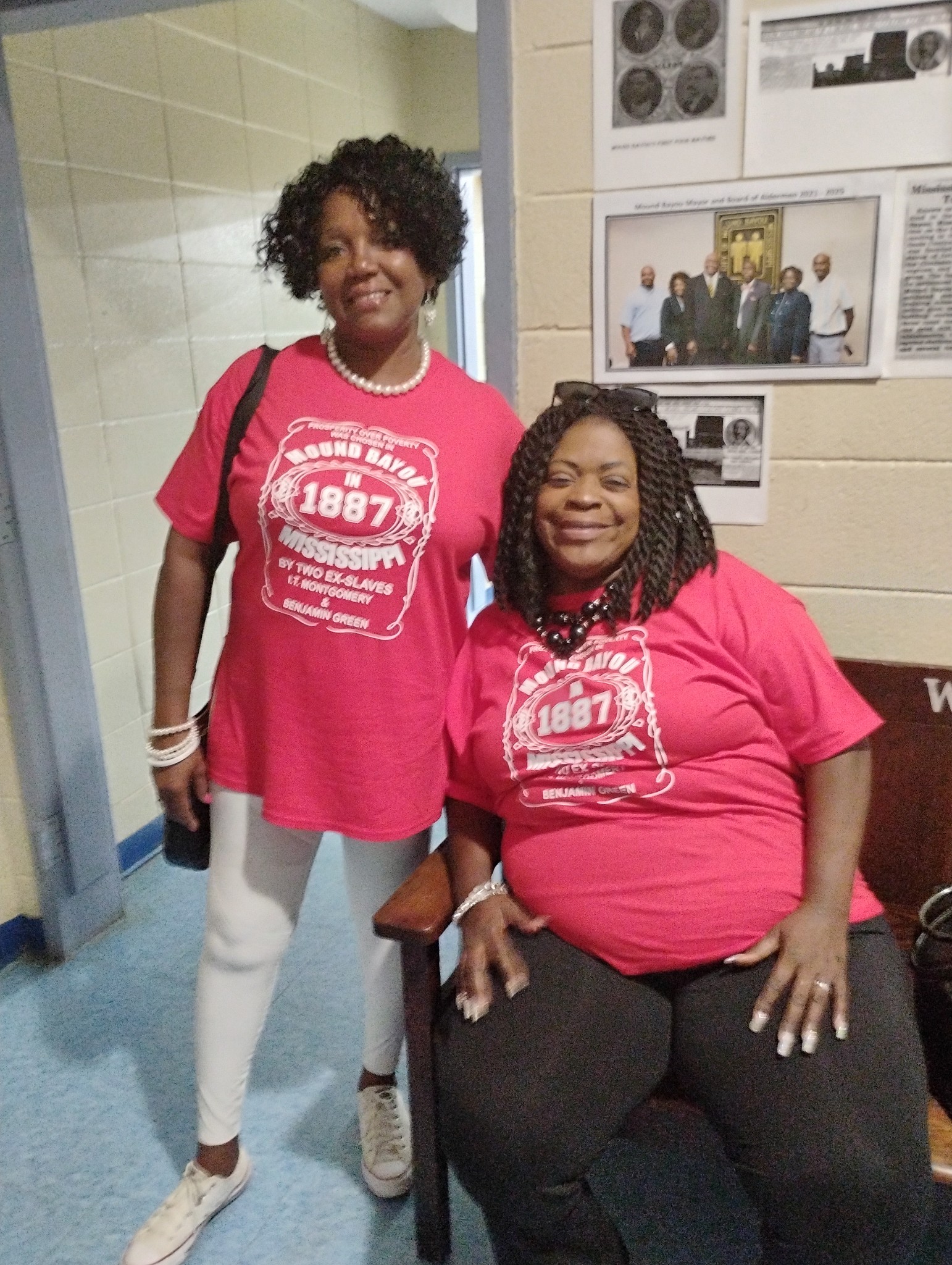
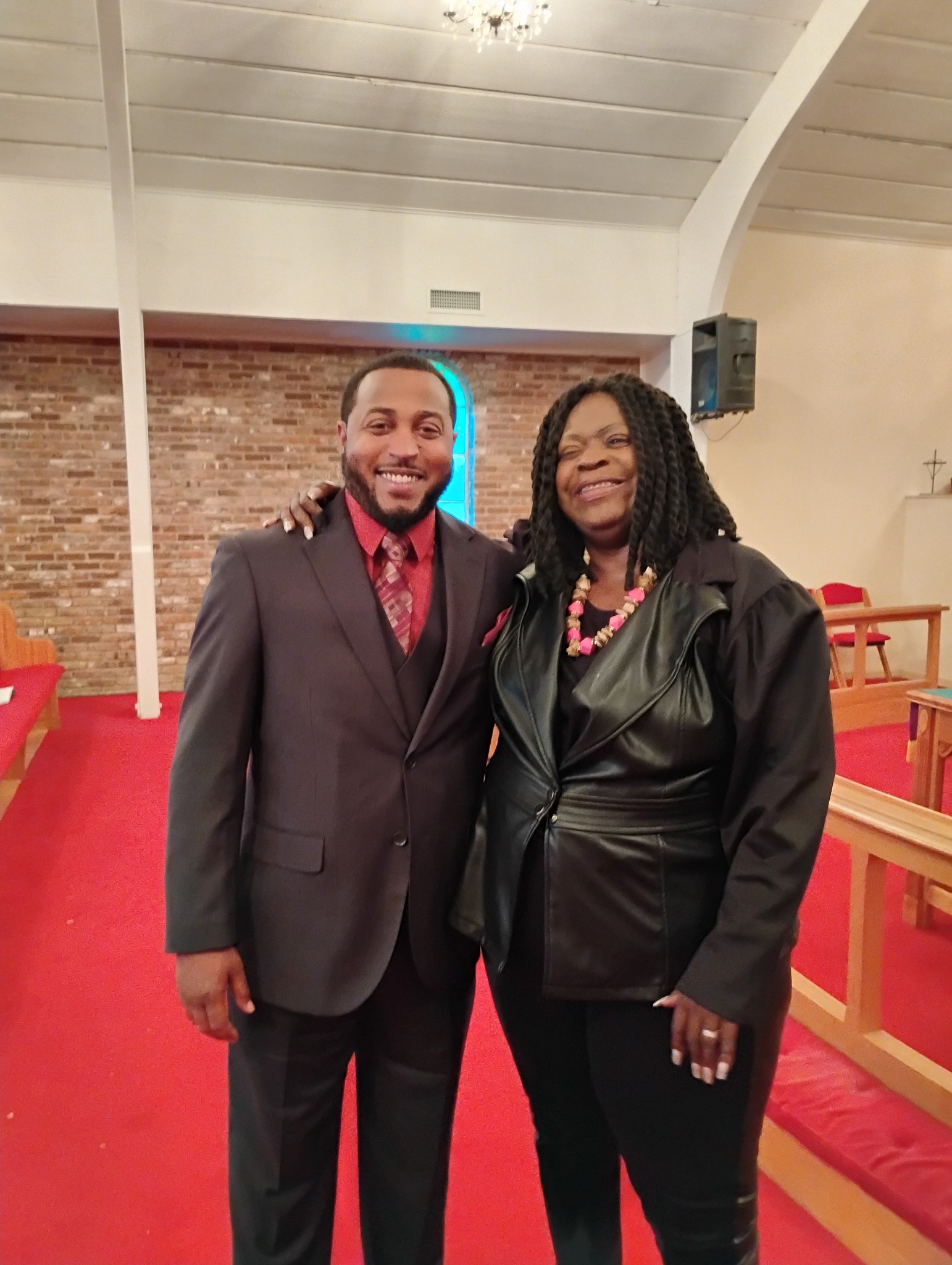

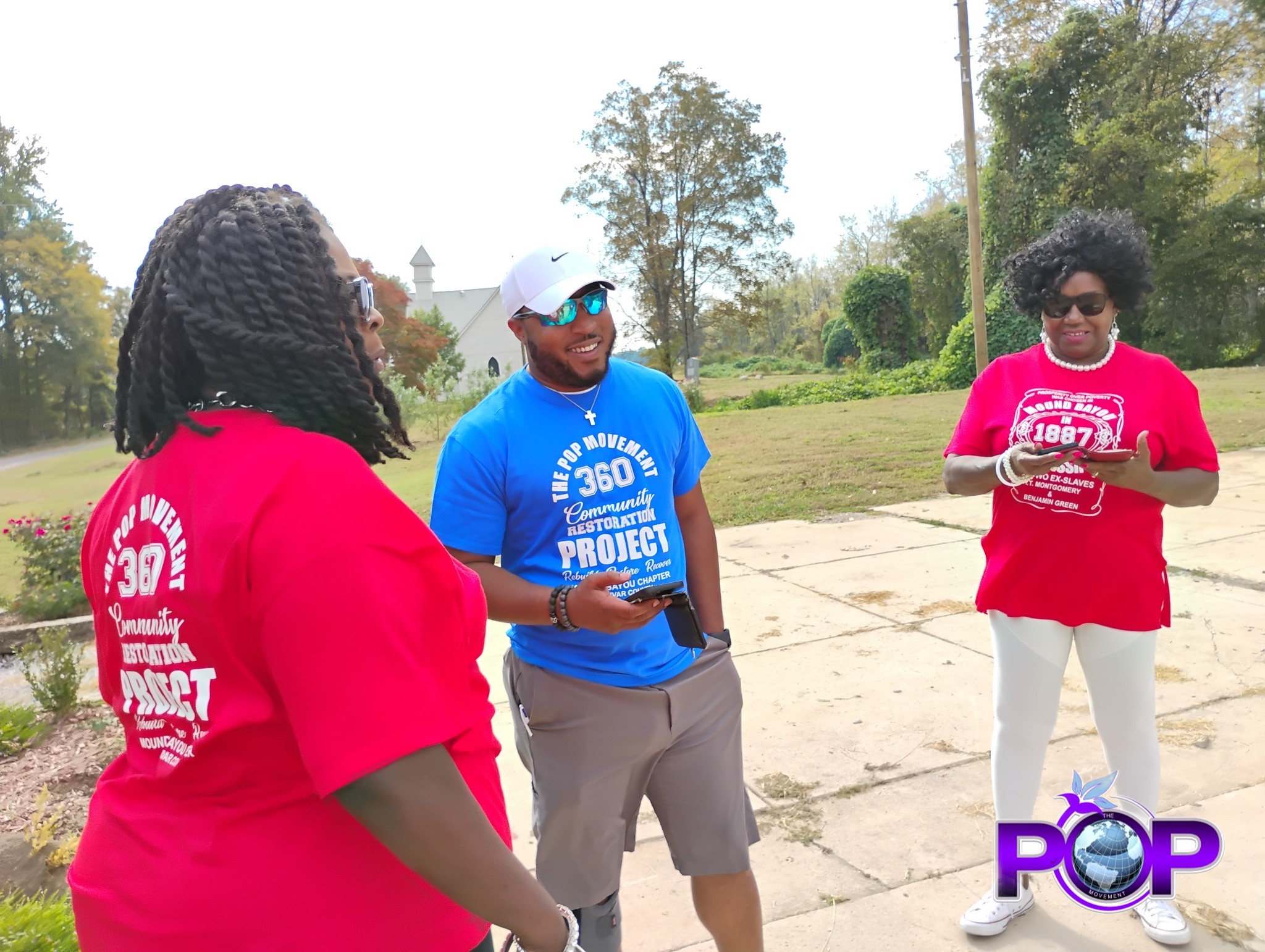







Equally significant is the transformation of abandoned and underutilized lots into green-space community gardens. These gardens are already bearing fruit—literally and metaphorically. They provide fresh produce to local families, teach sustainable agriculture, and offer a safe space for intergenerational connection and wellness.
“These gardens are more than food plots—they are living monuments to self-sufficiency, pride, and healing,” said Rita Hughes, State Administrator for Black Wall Street Mississippi. “They represent what can happen when communities reclaim not just land, but identity.”
The community gardens serve as launchpads for educational workshops and cultural programs, drawing in youth and elders alike. The restored cemetery and green spaces together form a powerful synergy—connecting health and history, cultivation and commemoration. The immediate impact is a revitalized sense of place and purpose.

"Melvin Brown’s leadership has redefined what it means to build from the ground up,” said Paula Chan, System Analyst with the Black Wall Street USA Administration. “He is not only organizing meetings—he’s building movements. The work being done in Friars Point stands as a true reflection of Black Wall Street’s legacy and a model for communities across the South.”
“Community revitalization is not just about economic development—it’s about cultural recovery,” emphasized Ethel Cain Russell, Deputy Chief of Staff of U.S. States, Black Wall Street USA – Office of the President. “Friars Point exemplifies what happens when we honor the past while equipping the next generation to build a better future. This is what Black Wall Street is all about.”
“From Tulsa to Friars Point, there is a thread of resilience running through our people,” reflected Marshon Kincy, Deputy Chief of Staff of Global Affairs, Black Wall Street USA – Office of the President. “As we remember Greenwood’s legacy—the heart of Black Wall Street—we also uplift communities like Friars Point, who are reclaiming their space in the American narrative with pride, determination, and vision.”
“This is more than a project—it’s a blueprint,” said Dr. Michael Carter, Sr. “Friars Point is showing how cultural restoration and economic development can walk hand-in-hand, and how every community, no matter its size, can become a model of progress.”