Black Wall Street District On The Move.
What began as a community in Tulsa has become a global call for equity.
Black Wall Street Ellis County stands as a forward-looking yet historically grounded initiative, rooted in the enduring legacy of African American enterprise and resilience that has shaped communities across the United States. Envisioned as a county-wide movement, it seeks to rekindle the spirit of self-determination and economic cooperation that defined historic Black Wall Street districts, translating those principles into a modern framework tailored to the unique rural and suburban landscape of Ellis County. With a focus on education, collaboration, and sustainable development, the initiative positions itself as both a tribute to the past and a blueprint for the future.
Guided by the lessons of history, Black Wall Street Ellis County embraces the understanding that economic empowerment has always been closely tied to knowledge, ownership, and community cohesion. From the earliest days of African American settlement in the region to the present, education has served as a cornerstone of progress. This initiative builds upon that foundation by intentionally linking historical awareness with contemporary opportunity, ensuring that the stories of perseverance and achievement are not only preserved but actively inform new pathways for growth and leadership.
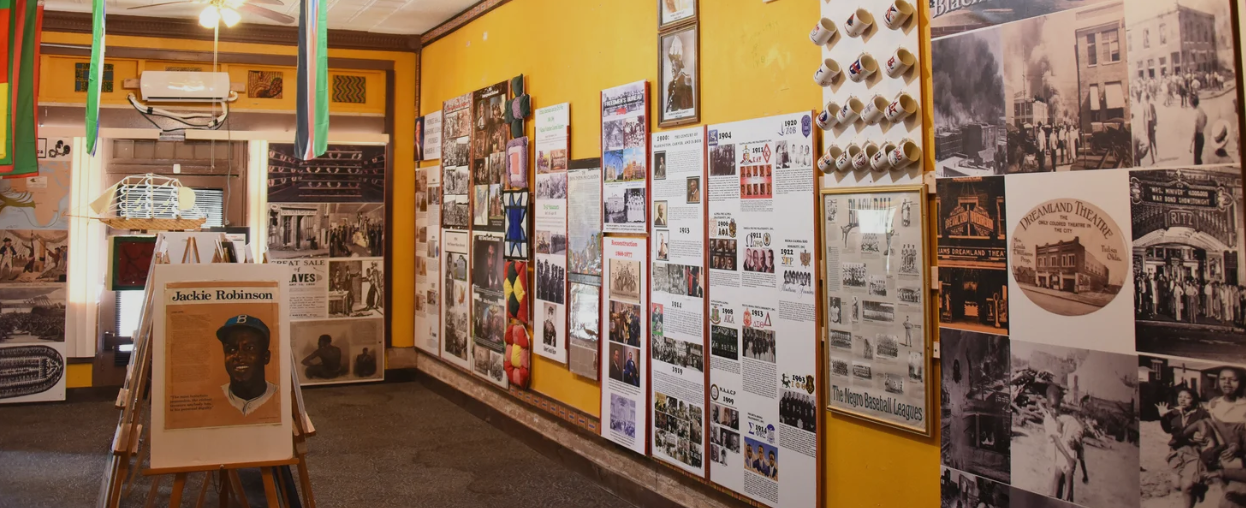
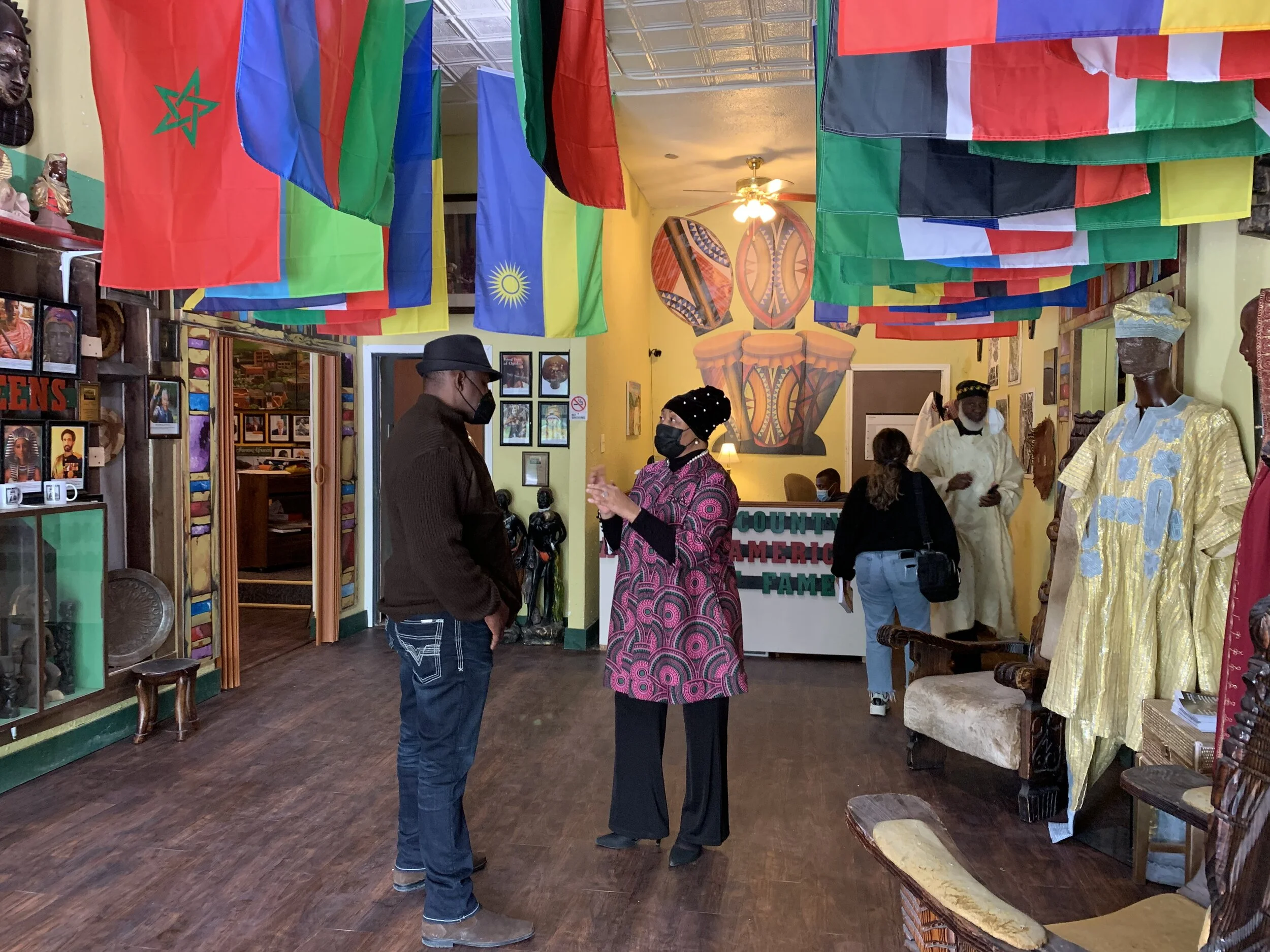
At the heart of this effort is the Ellis County African American Hall of Fame Museum & Library, serving as the epicenter for storytelling, education, and community coordination. More than a repository of artifacts, the museum operates as a living institution—one that breathes life into history while actively shaping the future. Through dynamic exhibits, public programming, and educational outreach, it connects generations, fosters dialogue, and creates a shared understanding of the cultural and economic contributions of African Americans throughout Ellis County.
The museum’s role extends beyond preservation into active engagement, offering a platform where ideas are exchanged and initiatives are launched. It becomes a convening space where students, educators, entrepreneurs, and civic leaders gather to envision what equitable development can look like in practice. In this way, the institution reflects the historical function of Black community hubs—places where culture, commerce, and collective ambition intersect to drive progress forward.
Collaboration remains a defining pillar of Black Wall Street Ellis County, uniting schools, local governments, faith-based organizations, nonprofits, and business leaders under a shared vision. These partnerships are carefully cultivated to expand access to training, mentorship, and economic resources, ensuring that opportunity is both inclusive and far-reaching. By aligning educational systems with workforce development and entrepreneurial support, the initiative establishes a continuous pipeline that guides individuals from learning to employment to ownership.
Economically, the initiative is grounded in the principle of circulation—strengthening local enterprise so that wealth generated within Ellis County remains and multiplies within its communities. Through small business support, cooperative development, and culturally rooted tourism, Black Wall Street Ellis County fosters an environment where innovation thrives alongside tradition. The integration of heritage-based commerce with modern economic strategies ensures that growth is both meaningful and sustainable, creating a resilient local economy anchored in identity and purpose.
The time to build is now. Black Wall Street Ellis County invites residents, educators, entrepreneurs, investors, and community partners to take part in shaping this transformative vision. Whether through supporting the Ellis County African American Hall of Fame Museum & Library, participating in collaborative programs, or investing in local businesses, every contribution helps carry forward a legacy of excellence and empowerment. Together, Ellis County can stand as a living testament to what is possible when history is honored, community is united, and the future is built with intention.
Composite score measuring ownership, revenue, jobs, and investment.
The Black Wall Street Index provides a measurable framework to track economic progress. This dashboard helps identify growth trends, investment gaps, and opportunities to scale Black-owned businesses across Ellis County.

Ellis County, Texas has emerged as one of the fastest-growing regions in North Texas, with its population now exceeding 230,000 residents. This growth is largely fueled by its proximity to the Dallas–Fort Worth metroplex, making it an attractive destination for families seeking more affordable housing while maintaining access to urban employment centers. As suburban expansion continues, the county is transitioning from a traditionally rural identity into a hybrid suburban-economic corridor, creating new opportunities for structured economic development initiatives such as Black Wall Street Ellis County.
The racial composition of Ellis County reflects increasing diversity, with Black/African American residents making up approximately 14–18% of the population, equating to more than 30,000 individuals. This population has grown at a significantly faster rate than the county overall, signaling a demographic shift that carries major economic implications. The presence of a growing Black middle class—many of whom are relocating from Dallas—introduces both spending power and professional expertise that can be redirected into local ownership and enterprise development.
Ellis County’s position within a regional growth corridor creates a unique dynamic: it has the diversity and population base needed to sustain a thriving Black business ecosystem, yet it lacks the entrenched institutional structures found in larger cities. This combination makes it highly adaptable and ripe for intentional economic design. Rather than retrofitting an existing system, stakeholders have the opportunity to build a modern, coordinated Black Wall Street model from the ground up.
The county’s median household income, which approaches $100,000, reflects overall economic strength and stability. However, this figure can obscure disparities in wealth distribution, particularly along racial lines. While many residents benefit from high incomes and homeownership, Black households often face structural barriers that limit wealth accumulation, including access to capital, lending disparities, and limited business infrastructure. These gaps highlight the importance of targeted economic initiatives that go beyond income and focus on ownership.
Although the overall poverty rate in Ellis County is relatively low, it is important to recognize that economic hardship is not evenly distributed. Black communities often experience higher poverty rates and reduced access to financial resources, which can limit entrepreneurial growth. Addressing these disparities requires more than general economic development; it demands intentional strategies that prioritize equity, access, and long-term wealth building within historically underserved populations.
The county’s relatively young median age of around 36 years presents a significant advantage for workforce development and entrepreneurship. A younger population means a larger pool of individuals who can be trained, mobilized, and integrated into a modern Black Wall Street ecosystem. By aligning workforce development with entrepreneurship pathways, Ellis County can transform its labor force into a network of business owners, investors, and innovators.
Structurally, Ellis County faces a common suburban challenge: economic leakage. Many residents commute to Dallas for work, earning income that is largely spent outside the county. This pattern limits local economic circulation and slows business development. A core objective of Black Wall Street Ellis County must therefore be to capture and retain this spending power by creating local businesses, services, and institutions that meet community needs.
Ellis County is anchored by cities such as Waxahachie, Midlothian, Ennis, and Red Oak, each contributing to the county’s economic and cultural fabric. These cities function as localized hubs of activity, but they are not yet unified under a cohesive economic strategy. This fragmentation presents both a challenge and an opportunity, as a coordinated Black Wall Street initiative could link these areas into a broader network of economic collaboration.
Approximately 70% of the county’s population resides in urban or suburban areas, while the remaining 30% lives in rural communities. This geographic diversity allows for a wide range of economic activities, from retail and service-based businesses in urban centers to agriculture, logistics, and manufacturing in rural zones. Such a mix provides a strong foundation for a multi-sector economic ecosystem.
The hybrid nature of Ellis County’s geography creates a strategic advantage that is often overlooked. It enables the development of both high-density business clusters and land-based economic initiatives, such as cooperative farming, industrial parks, and distribution centers. This flexibility makes the county uniquely suited for a modernized version of Black Wall Street that integrates multiple industries rather than relying solely on retail.
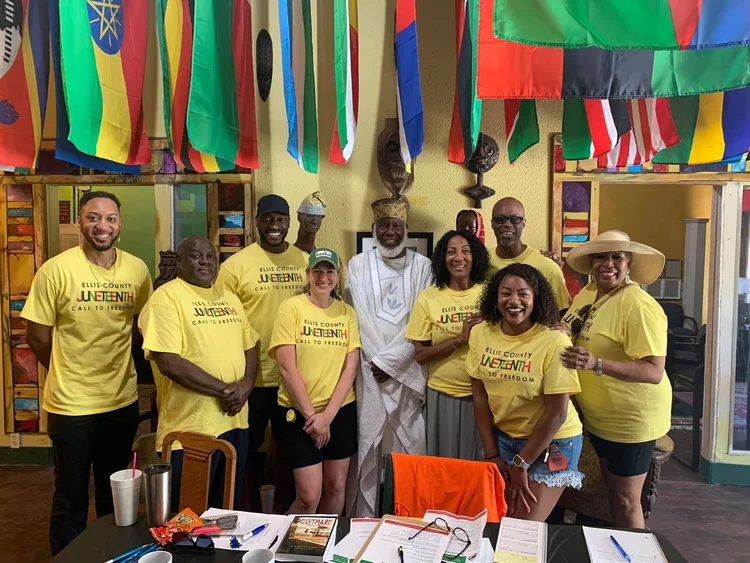
Black-owned businesses in Ellis County are present but highly fragmented, operating across various sectors without a centralized hub or coordinated network. These businesses often rely on personal networks and word-of-mouth marketing, which limits their visibility and scalability. While entrepreneurship exists, it does not yet function as a unified economic force.
Many Black entrepreneurs are concentrated in service-oriented industries such as barbering, beauty, food services, and small-scale retail. These sectors provide important community services and entry points into business ownership, but they often lack the infrastructure needed for expansion. Without access to capital, mentorship, and formal business networks, many of these enterprises remain small and isolated.
The absence of business density is one of the most significant barriers to economic growth. Unlike historic Black Wall Street districts, where businesses were clustered together and supported one another, Ellis County’s Black-owned businesses are dispersed across a wide geographic area. This dispersion reduces foot traffic, weakens brand identity, and limits opportunities for collaboration.
Equally important is the lack of institutional anchors such as Black-owned financial institutions, incubators, and cooperative economic structures. Without these foundational elements, businesses struggle to access the resources needed for long-term sustainability. Visibility is another major challenge, as there is no unified platform or branding strategy to promote Black-owned businesses across the county.
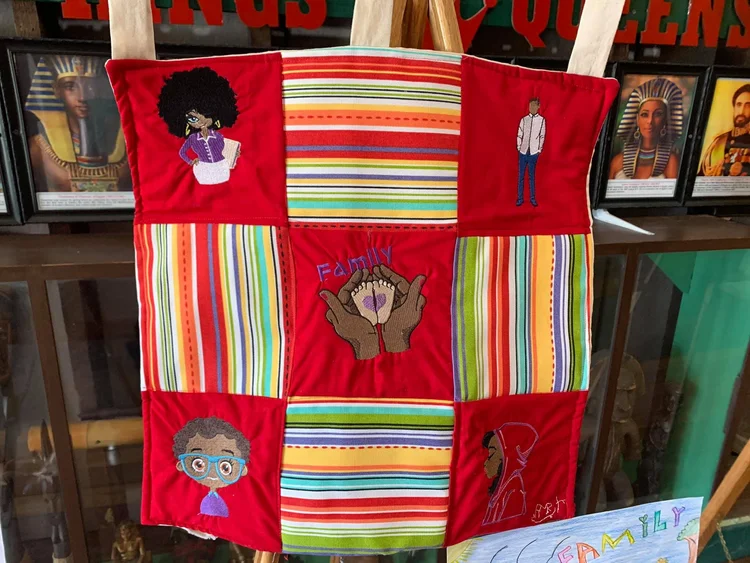
Ellis County’s historical roots are tied to agriculture and the cotton economy, industries that were deeply intertwined with the labor and contributions of African Americans. Despite this history, there has been limited preservation and recognition of Black economic contributions within the county. This absence of historical narrative weakens community identity and reduces opportunities for cultural tourism.
The legacy of segregation and systemic exclusion has also shaped the county’s economic landscape, leaving behind structural gaps that persist today. Unlike larger cities that have documented and celebrated their Black business districts, Ellis County lacks a widely recognized historical anchor for Black economic achievement. This gap underscores the need for intentional cultural development.
Cultural institutions, such as an African American museum or heritage center, can play a critical role in addressing this issue. By preserving history and telling the story of Black entrepreneurship, these institutions can serve as both educational resources and economic drivers. They provide a foundation upon which a modern Black Wall Street can be built, connecting past resilience with future opportunity.
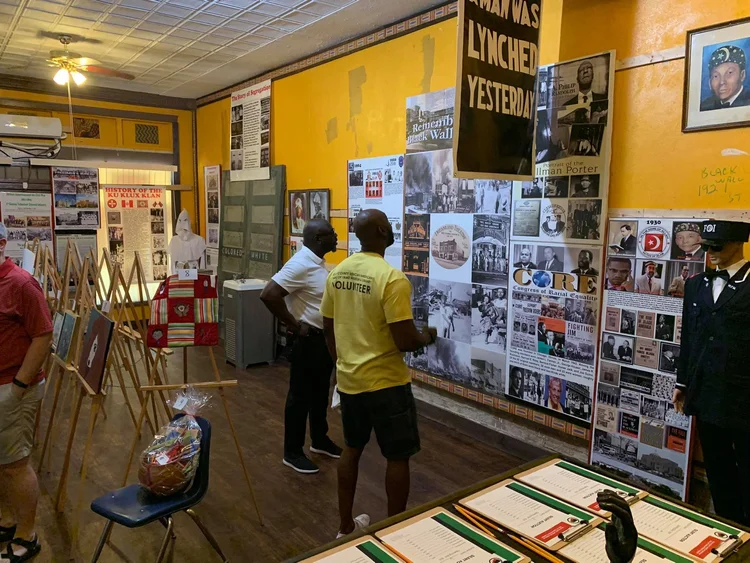
Ellis County’s rapid population growth, particularly among Black middle-class families relocating from Dallas, creates a strong foundation for economic development. These new residents bring not only income but also professional experience, networks, and entrepreneurial potential. Harnessing this influx is essential for building a sustainable Black business ecosystem. The availability of land at relatively lower costs compared to Dallas County presents a significant opportunity for ownership-based development. Rather than leasing commercial space, Black entrepreneurs and investors can acquire property, build equity, and establish long-term economic stability. This approach aligns with the core principles of historic Black Wall Street models, which emphasized ownership as a pathway to wealth.
The county’s strategic location, with access to major highways such as I-35E and I-45, positions it as a potential hub for logistics, distribution, and regional commerce. This connectivity expands the scope of economic development beyond local markets, enabling businesses to operate at a regional or even national level. Perhaps most importantly, Ellis County lacks a dominant Black economic hub, creating a rare first-mover advantage. By establishing a coordinated Black Wall Street initiative now, stakeholders can shape the county’s economic future rather than reacting to external forces. This proactive approach allows for intentional design and long-term planning.
A successful implementation must begin with the establishment of a central anchor institution, such as a museum, innovation center, or cultural campus. This hub would serve multiple functions, including business incubation, workforce training, and cultural programming. By centralizing these activities, the initiative can create a focal point for community engagement and economic development.
Cluster development is another critical component, focusing on the creation of dense, visible business corridors. These clusters can take the form of retail districts, vendor marketplaces, and pop-up expos that provide opportunities for entrepreneurs to showcase their products and services. By increasing visibility and foot traffic, these clusters can accelerate business growth and community engagement.
Education and workforce development must be integrated into the initiative, providing pathways for both youth and adults to enter entrepreneurship and skilled trades. Partnerships with schools, colleges, and training programs can ensure a steady pipeline of talent, while also equipping individuals with the skills needed to succeed in a competitive economy.
Access to capital and the development of cooperative economic structures are essential for sustainability. This includes the creation of credit unions, investment groups, and real estate cooperatives that enable collective ownership and resource sharing. These mechanisms can help overcome traditional barriers to financing and empower communities to build wealth together.
Finally, the initiative must adopt a county-wide network model that connects multiple nodes of economic activity. Rather than focusing on a single district, Black Wall Street Ellis County should function as a distributed ecosystem, linking cities and communities through shared branding, events, and supply chains. This approach reflects the county’s geographic reality and maximizes its economic potential.
Despite its potential, the initiative will face several challenges, including political and institutional resistance. Suburban and rural governance structures may not always align with the goals of targeted economic development, requiring careful navigation and coalition building. The absence of large Black-owned anchor corporations also presents a limitation, as these entities often play a key role in driving economic ecosystems. Building such anchors will take time and strategic investment, but it is a necessary step for long-term success.
There is also a risk of displacement if development occurs without adequate protections for ownership. As property values rise, communities that are not positioned for ownership may be pushed out, undermining the initiative’s goals. This makes early investment in land and real estate critical. Sustained leadership and coordination will be essential to maintaining momentum. Without a clear governance structure and long-term commitment, even the most promising initiatives can lose direction. Strong leadership will be needed to guide the project through its various phases.
Ellis County represents a unique opportunity to build a modern Black Wall Street model that reflects the realities of the 21st century. Its size, growth rate, and geographic diversity make it an ideal environment for coordinated economic development. Rather than replicating historical models, the initiative must evolve to meet contemporary needs, shifting from a single district to a distributed network of economic nodes. This approach allows for greater flexibility and scalability, ensuring that all parts of the county can benefit. The focus must also shift from survival to ownership-driven growth, emphasizing wealth creation and long-term sustainability. By integrating businesses into a cohesive system, the initiative can create a self-reinforcing cycle of economic activity.
Ultimately, Black Wall Street Ellis County has the potential to serve as a national blueprint for suburban Black economic development, demonstrating how communities can leverage growth and diversity to build lasting prosperity.