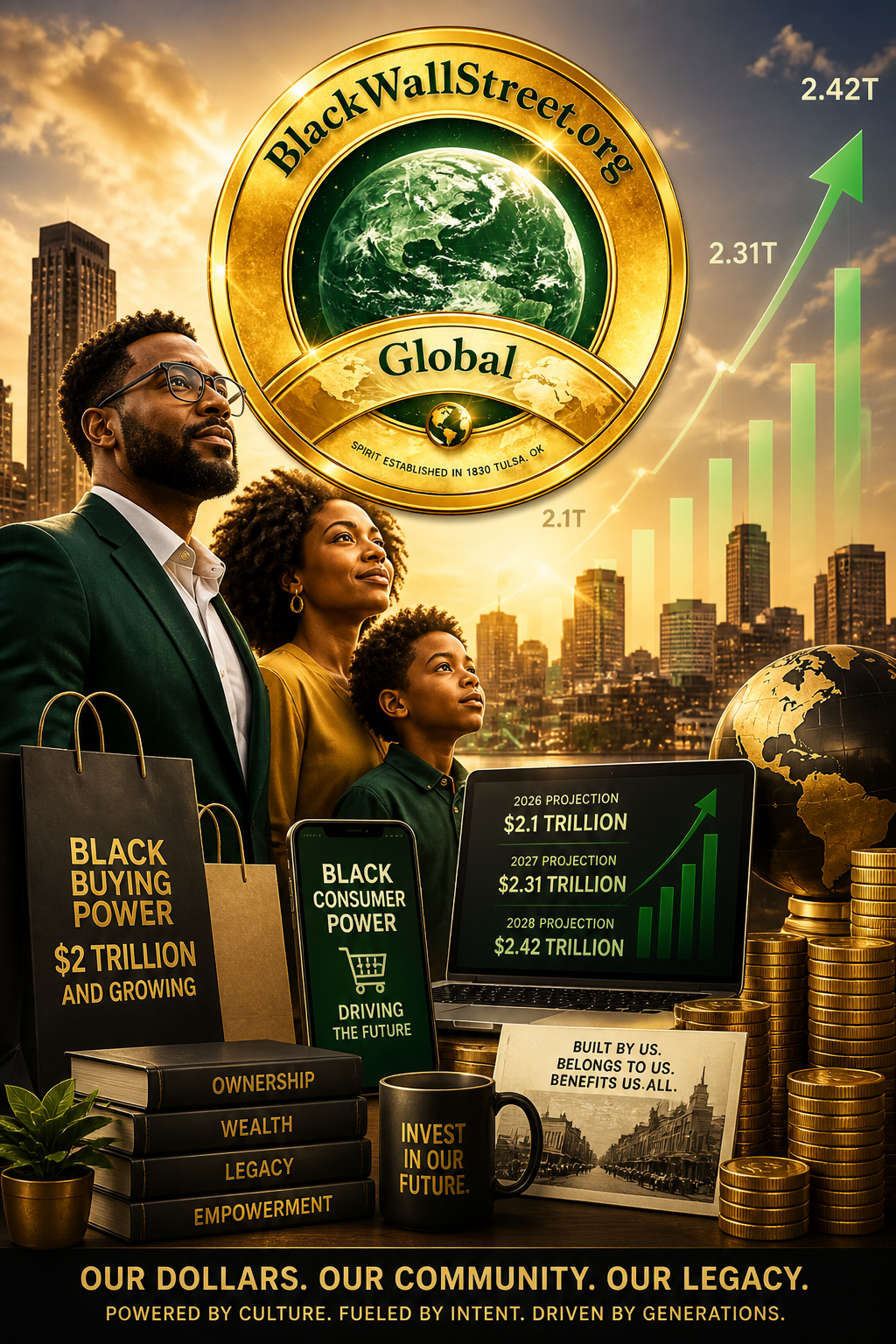

Black buying power in the United States has been on a steady rise. In 2019, it was reported at $1.4 trillion and is expected to grow to $1.8 trillion by years-end of 2024. Additionally, the Selig Center for Economic Growth estimated that African American buying power reached $1.6 trillion, accounting for 9% of the nation's total buying power. While specific projections for 2025 are limited, these trends suggest a continued increase in Black buying power, potentially surpassing $1.8 trillion by that year.
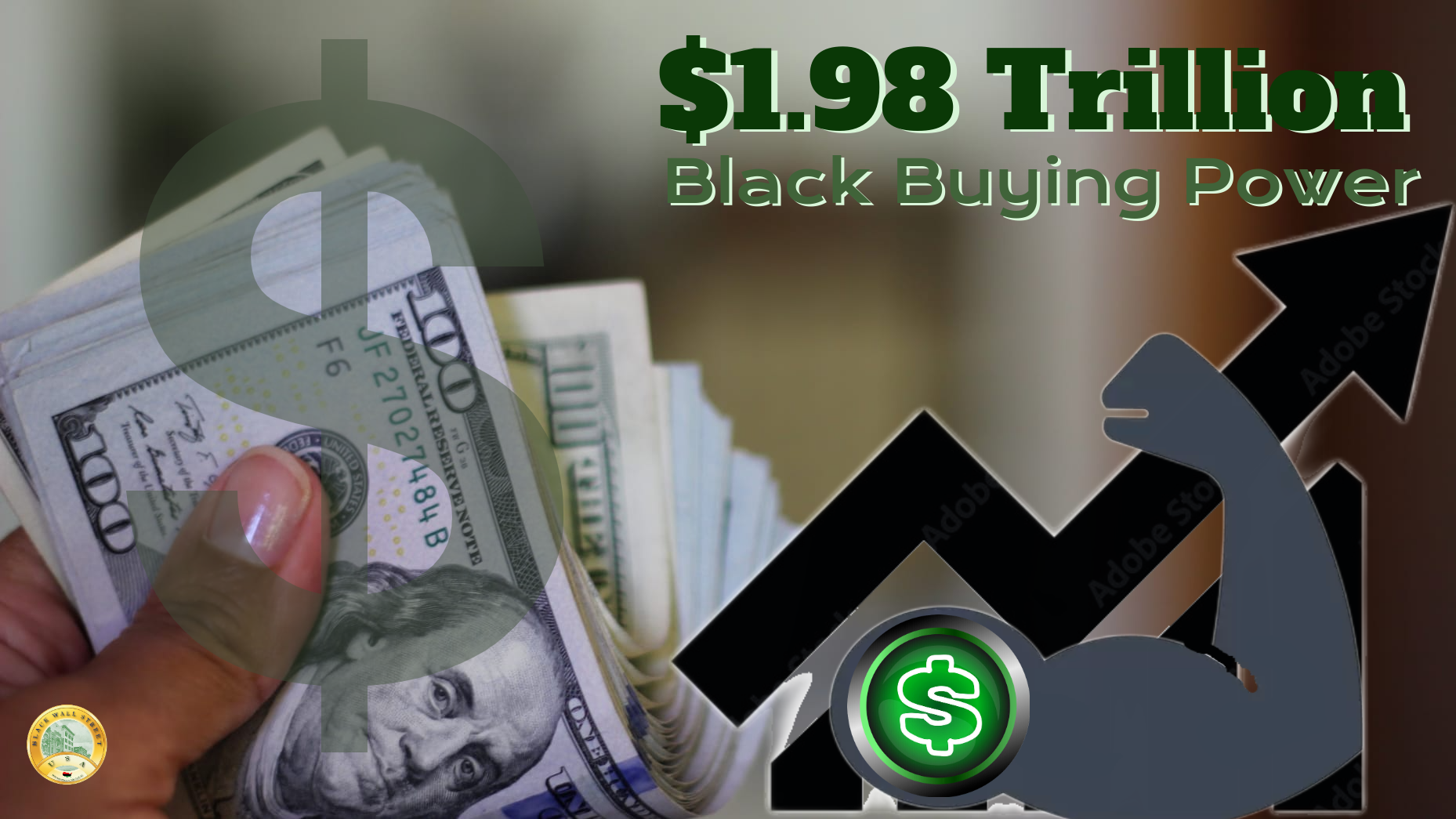
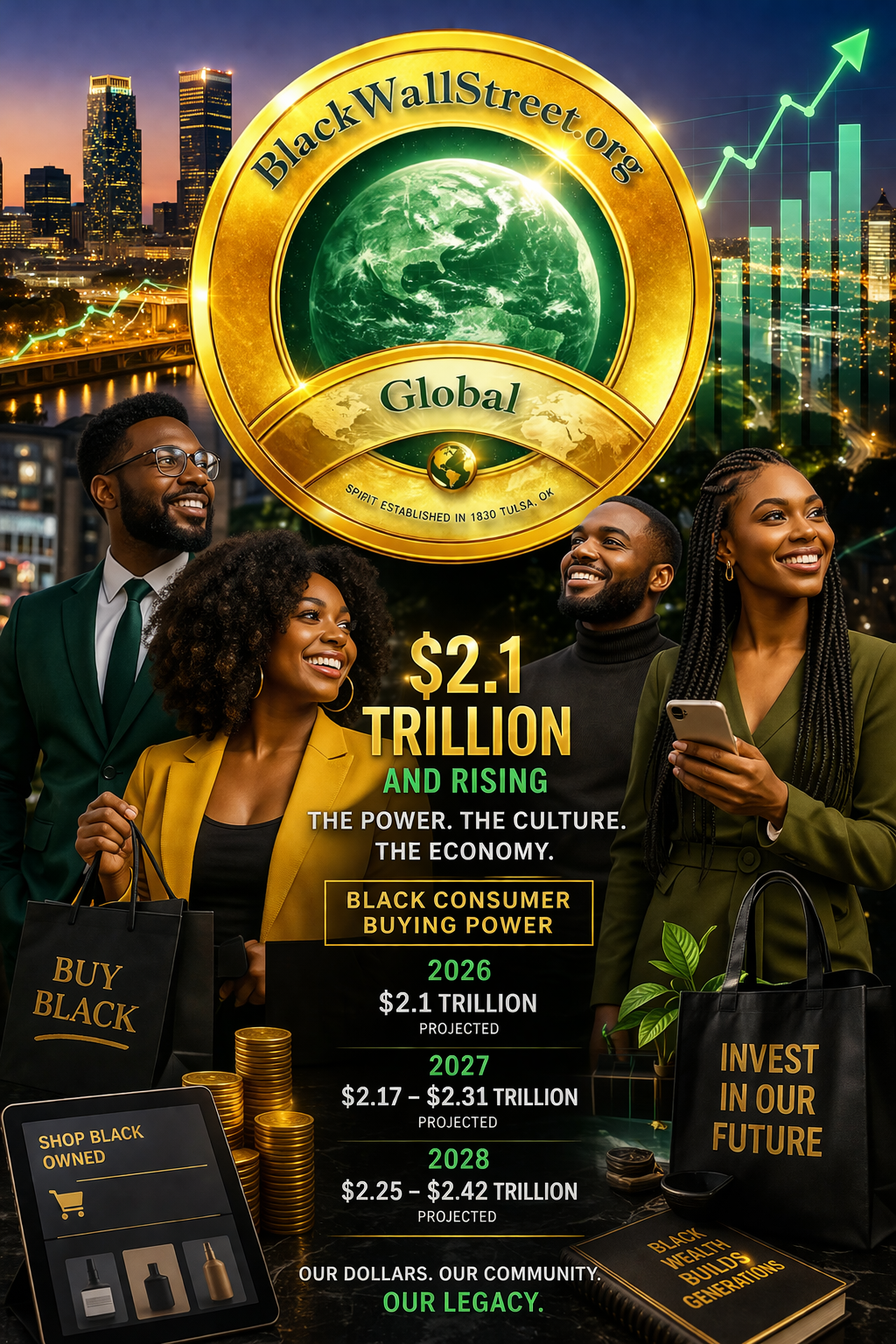
The Black buying power in the U.S. is projected to reach approximately $1.98 trillion by the end of 2025, reflecting a steady increase that underscores the economic influence of the Black community. And expected to reach anywhere from $2.5 trillion to $3 trillion by 2030. This growing financial strength is part of a broader trend observed over recent decades, as the Black population has not only grown but also gained greater access to education, higher-paying jobs, and entrepreneurship opportunities. However, the full impact of this buying power depends on where and how it is spent, with ongoing efforts to direct more dollars toward Black-owned businesses to strengthen community wealth.
The beauty and personal care industry remains one of the sectors most significantly shaped by Black consumer spending. Black Americans are trendsetters in haircare, skincare, and cosmetics, collectively spending billions each year and influencing global markets. Despite representing a smaller percentage of the U.S. population, Black consumers account for a disproportionate share of spending in these categories. This has prompted major corporations to adjust their product offerings, marketing strategies, and even their corporate policies to cater to the needs and preferences of Black consumers.
Another major area of influence is media and entertainment. Black Americans are leading consumers of streaming services, music, and television, with a cultural influence that far exceeds their population size. Streaming platforms like Netflix, Hulu, and Spotify have increasingly incorporated Black-led productions and curated content to appeal to this audience. Black consumers also dominate spending in digital content, gaming, and social media engagement, making them a coveted demographic for advertisers and content creators.

The fashion industry also benefits significantly from Black spending power. Black consumers are key drivers of trends in footwear, apparel, and accessories, often dictating styles that later become mainstream. Designer brands, athletic wear companies, and luxury labels have increasingly recognized the importance of the Black demographic, not only for their direct spending but also for their cultural influence on global fashion trends. From streetwear to high fashion, the impact of Black consumers is evident.

Black Spending Index by Industry: This chart shows how spending is distributed across various industries.
Despite these gains, many advocates point to the disparities in how this buying power is distributed and leveraged. The vast majority of Black consumer dollars are spent outside of the Black community, which limits the economic benefits for Black-owned businesses and families. Studies show that money circulates within Black communities far less frequently than it does in others, such as Asian and Jewish communities, where dollars are reinvested multiple times before leaving. This disparity underscores the need for intentional spending to build lasting wealth.
The importance of supporting Black-owned businesses has gained momentum, particularly in recent years, with campaigns such as Buy Black and initiatives tied to movements for racial equity. Online directories, apps, and social media campaigns now make it easier than ever for consumers to identify and support Black entrepreneurs. Investing in these businesses not only empowers individual entrepreneurs but also creates jobs and fosters generational wealth within the community.

Expanded breakdown of the Black Spending by Age Ranges chart:
18-24 years old (15%): Young adults in this range often prioritize spending on education, technology, and personal interests such as entertainment and fashion. Their disposable income tends to be lower as they are often in college or starting their careers, but they are major contributors to trends in digital content and fast fashion.
25-34 years old (25%): This group represents the largest share of spending, driven by individuals in their prime working years. They often focus on housing, travel, and upgrading lifestyle products, such as home furnishings, automobiles, and tech devices. Many in this range are also starting families, increasing expenditures on childcare and family-related services.
35-44 years old (20%): Consumers in this range tend to focus on family-related spending, including education, homeownership, and healthcare. They are also significant contributors to industries like food, dining, and travel, as they balance professional and personal commitments.
45-54 years old (18%): Often in peak earning years, this group spends heavily on healthcare, saving for retirement, and supporting older children in higher education or launching their own careers. They also maintain strong spending on leisure, including travel and hobbies.
55-64 years old (12%): Nearing retirement, individuals in this age group often shift their focus to healthcare and wellness, as well as financial planning for retirement. Their discretionary spending may also include travel and recreational activities, reflecting a "reward yourself" mindset after years of work.
65 years old and up (10%): Spending in this age range tends to prioritize healthcare and essentials. Many in this group live on fixed incomes, but they also allocate funds for leisure, travel, and supporting younger family members, such as grandchildren. This detailed breakdown highlights how spending priorities evolve with age, influenced by life stage, income, and familial responsibilities. It also underscores the importance of targeting marketing and business strategies to these distinct demographics, as each group shapes specific sectors of the economy.
Education and workforce development also play a critical role in the growth of Black buying power. The rising number of Black Americans earning college degrees and entering higher-paying professions is directly tied to their increased economic influence. However, wage gaps and systemic barriers still limit the full potential of Black income growth, highlighting the need for policies and programs that address equity in hiring, pay, and promotion opportunities.
Entrepreneurship is another driving force behind the growth of Black buying power. Black women, in particular, are leading in business formation, with startups ranging from tech firms to health and wellness companies. Despite facing challenges in accessing capital, these entrepreneurs are transforming industries and creating new pathways for economic mobility. Support for Black entrepreneurship through funding, mentorship, and partnerships is crucial to sustaining this growth.
While the projected $1.98 trillion buying power figure is impressive, it also calls attention to the need for strategic action. Economic empowerment advocates emphasize the importance of financial literacy, community investment, and wealth-building strategies to maximize the impact of this spending. Without these efforts, much of the potential economic benefit could continue to flow out of Black communities.

Black Spending by Gender: This chart displays the distribution of spending between Black males and females, highlighting their respective contributions to the total buying power.
Ultimately, the growth in Black buying power is a testament to the resilience and resourcefulness of Black Americans in the face of systemic challenges. While significant progress has been made, much work remains to ensure that this economic influence translates into lasting prosperity and equity. By prioritizing intentional spending, investment in education, and support for Black-owned businesses, the Black community can leverage this buying power to drive broader social and economic change.
However, the full potential of this economic clout depends on efforts to recirculate these dollars within the Black community in which Black Wall Street USA plays a pivotal role.
Black Wall Street USA is dedicated to revitalizing Black economic ecosystems through the establishment of Black Wall Street districts across the country. These districts are designed to emulate the success of the historic Greenwood District in Tulsa, Oklahoma—once known as "Black Wall Street"—which thrived in the early 20th century as a hub of Black-owned businesses and financial independence.
The Greenwood District was a remarkable example of a self-sustaining Black economy during the early 20th century. In its heyday, Greenwood was more than just a neighborhood; it was a vibrant ecosystem where the recirculation of Black dollars created unparalleled economic strength and resilience within the community. Nearly every dollar earned within Greenwood stayed within the district, supporting a network of Black-owned businesses, professionals, and laborers, thereby creating a self-contained economic stronghold.
The power of recirculation of the Black dollar in Greenwood was extraordinary by any standard. Historians and economists estimate that each dollar earned in the neighborhood changed hands 19 to 100 times within Greenwood before leaving the communit

Here is a graph illustrating the extraordinary recirculation of the Black dollar in Greenwood. It shows two key aspects: Recirculation Count: Money exchanged hands 19 to 100 times within the community. Duration in the Community: Dollars remained in North Tulsa for over a year (12 months) before leaving the area. The dual-axis format highlights the interconnected nature of economic activity and community resilience in Greenwood
Remarkably, it is believed that the money stayed in North Tulsa for over a year before being spent elsewhere. This dynamic underscored the symbiotic relationships between Greenwood’s residents, merchants, and service providers.
The neighborhood housed a diverse range of Black-owned businesses, including grocery stores, theaters, pharmacies, restaurants, and hotels. For example, John and Loula Williams, prominent business owners, established the Dreamland Theater, which drew customers and entertainers from across the country. These establishments ensured that residents had access to nearly every good or service they needed within their own community, further reinforcing the circulation of wealth locally.
By the mid-20th century, Greenwood’s economy was still thriving, with salaries for Black professionals and workers reflecting a wide range of earnings:
Attorneys earned $1,500 per month in 1955, equivalent to approximately $15,987 in 2024 when adjusted for inflation. Schoolteachers, a backbone of the community, made $1,100 monthly, translating to about $11,589 in 2024 dollars. Grocery store owners, who played a critical role in keeping money circulating locally, earned $500 a month, or around $5,500 in today’s terms. Maids and chauffeurs, often employed by wealthier residents of Greenwood, earned between $80 and $100 monthly, roughly $850 to $1,500 when adjusted for inflation. These figures reveal that Greenwood supported a range of incomes, with opportunities for economic mobility. Professionals lawyers like, B. C. Franklin and teachers had middle-class salaries, while entrepreneurs contributed significantly to local wealth creation by reinvesting their profits back into the community.

Here is a bar graph reflecting 2024 inflation-adjusted salaries compared to 1955. It demonstrates the impact of inflation on earnings over time while highlighting Greenwood's economic diversity.
The success of Greenwood’s economic model was driven by four key factors:
Strong Community Cohesion: The sense of unity and mutual support within Greenwood ensured that residents consciously chose to patronize local businesses, even when doing so might have been less convenient or more expensive than seeking goods and services outside the neighborhood.
Entrepreneurial Spirit: Greenwood was a hub for Black entrepreneurship, with business owners striving to create not just livelihoods for themselves but also opportunities for their neighbors. This entrepreneurial culture fostered economic independence and innovation.
Limited Access to Outside Markets: During segregation, systemic racism barred Black residents from accessing many businesses and services outside their community. While this was a form of exclusion, it inadvertently reinforced Greenwood’s self-reliance, as residents had little choice but to support one another.
Wealth Multiplication Through Circulation: Each transaction in Greenwood—whether between a barber and a teacher or a lawyer and a restaurateur—multiplied the wealth circulating within the community. This continuous exchange amplified the collective prosperity of the district.
The Greenwood neighborhood’s success in the recirculation of the Black dollar offers a powerful lesson on the potential of community-focused economics. Its economic model highlighted how localized spending and reinvestment can generate wealth, foster entrepreneurship, and empower communities, even in the face of systemic discrimination. Though the 1921 Tulsa Race Massacre tragically disrupted Greenwood’s prosperity, its legacy continues to inspire contemporary movements aimed at building Black economic power.
Today, advocates for economic justice often point to Greenwood as an example of what is possible when communities prioritize supporting local businesses and circulating wealth within their own networks. Programs aimed at fostering Black entrepreneurship, such as local incubators and cooperative economic models, draw heavily from Greenwood’s example.
Greenwood’s story is a testament to the power of intentional economic practices and the resilience of a community that chose to uplift itself through mutual support and shared prosperity. While external forces ultimately challenged its longevity, the success of the recirculation of the Black dollar in Greenwood remains a shining example of what can be achieved through collective effort, entrepreneurship, and community solidarity.
Black Wall Street USA's efforts aim to create modern spaces where Black businesses can flourish, leading to stronger community wealth and economic empowerment.
Black Wall Street USA promotes initiatives that foster entrepreneurship, financial literacy, and infrastructure development within these districts. By creating spaces where Black-owned businesses and services are concentrated, Black Wall Street districts help to ensure that a greater percentage of Black consumer spending circulates within the community. This recirculation is crucial for creating jobs, supporting local entrepreneurs, and building generational wealth.
One of the key strategies of the Black Wall Street Movement is to attract both private and public investment into these districts. This includes partnerships with financial institutions, policymakers, and other stakeholders to provide funding, resources, and support for Black-owned businesses. These efforts not only stimulate economic activity but also address systemic barriers that have historically limited access to capital for Black entrepreneurs.
The cultural significance of Black Wall Street districts cannot be overstated. They serve as symbols of resilience and self-sufficiency while fostering pride and unity within the community. By highlighting the importance of economic empowerment and showcasing successful Black businesses, these districts inspire individuals to actively participate in wealth-building activities and support their local economies.
The connection between Black Wall Street districts and the projected growth in Black buying power is clear. As more districts are established and thrive, they provide opportunities for Black consumers to direct their spending toward Black-owned businesses, creating a positive feedback loop of economic growth. These districts also provide opportunities for education and mentorship, equipping the next generation with the tools needed to sustain and expand economic progress.
Black Wall Street USA also works to integrate modern technologies and digital platforms into its districts, recognizing the importance of e-commerce and innovation in today's economy. By enabling Black-owned businesses to compete on both local and global scales, these districts amplify the impact of Black consumer dollars. Online marketplaces and apps dedicated to promoting Black businesses are integral to this effort, further expanding their reach and visibility.
Another critical aspect of Black Wall Street USA’s mission is advocacy for policy changes that support economic equity. This includes pushing for greater access to affordable housing, education, and healthcare within Black communities, all of which are essential components of a thriving local economy. By addressing these systemic challenges, the organization helps lay the groundwork for sustainable economic growth.
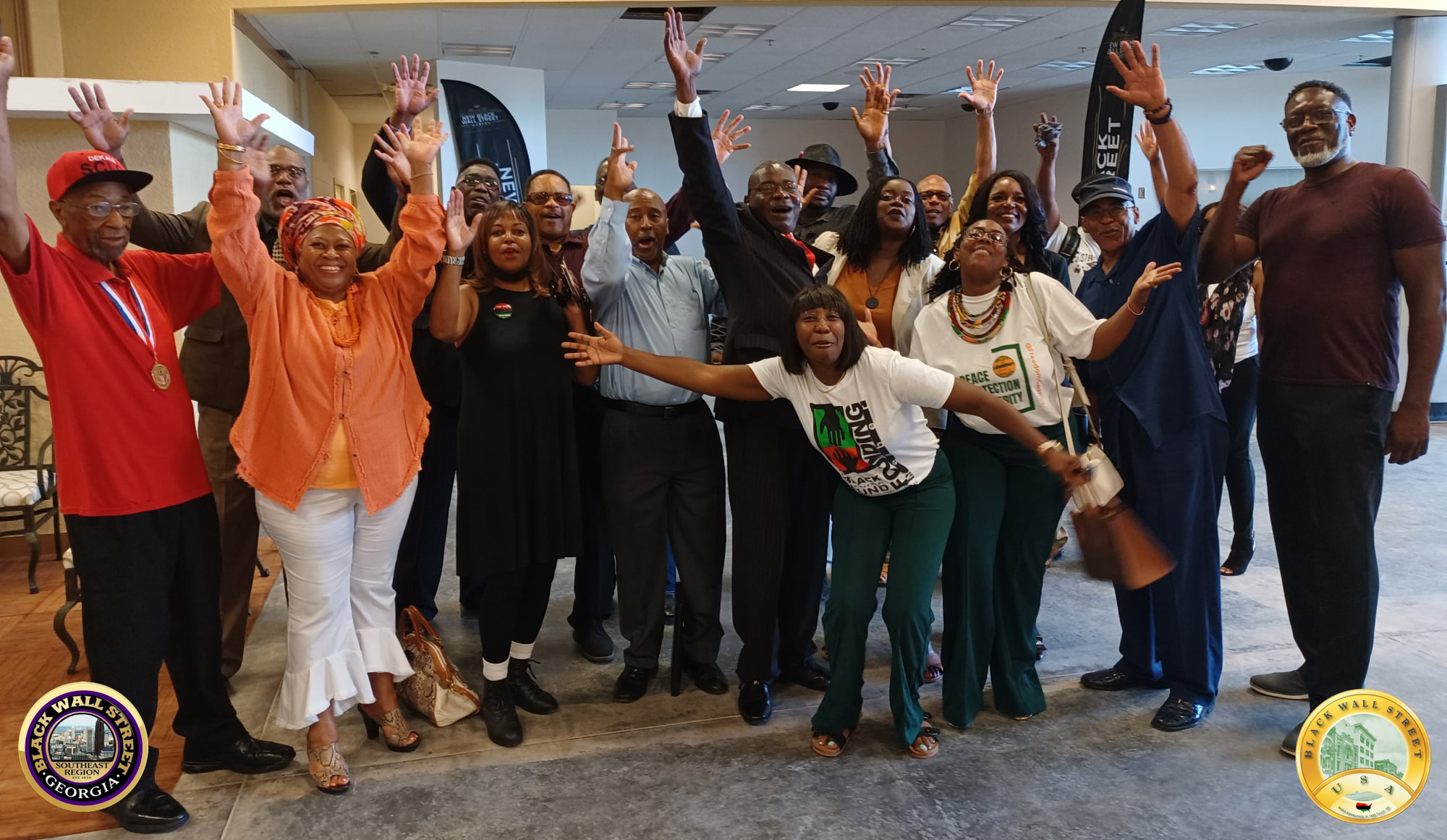
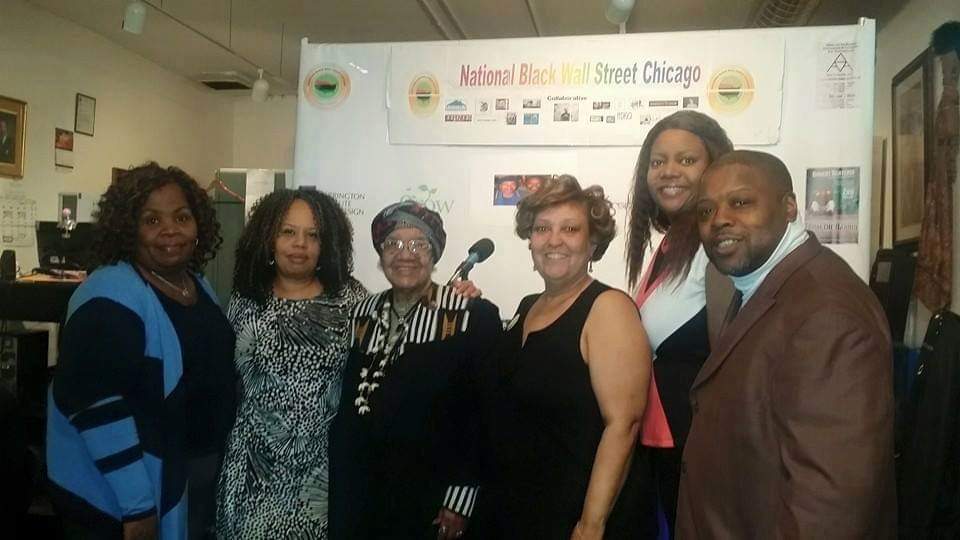
The establishment of Black Wall Street districts aligns with the broader movement to harness the power of Black spending for collective benefit. Campaigns like Buy Black have gained momentum in recent years, emphasizing the importance of intentional spending to uplift Black businesses. Black Wall Street USA provides the infrastructure needed to turn these ideals into actionable, community-wide efforts. Current Black Wall Street districts include, Black Wall Street Baltimore, Black Wall Street Bridgeport, Black Wall Street Chicago, Black Wall Street Mound Bayou, Black Wall Street Sacramento, the Greenwood Village in Hattiesburg, Mississippi, the New Black Wall Street Center in Stonecrest, Georgia and countless other Black Wall Street district projects in development around the globe.
By creating these economic hubs, Black Wall Street USA not only strengthens Black businesses but also contributes to the broader economic fabric of the country. The vision of revitalizing Black Wall Street is about more than dollars—it’s about restoring a sense of agency, identity, and prosperity to Black communities. As these districts expand, they will play an increasingly significant role in shaping the economic landscape of America.
If you like what you have read here and want to support our efforts click to send Cash.app donation or donate here.
About the writer...
Dr. Michael Carter, Sr. is the Global Leader of the Black Wall Street Worldwide Movement and is recognized internationally as The Black Theological Economist. For over two decades, he has championed a visionary framework that fuses theology, economics, and liberation thought into a cohesive praxis of justice and empowerment. In 1998, he founded Black Wall Street USA, which has since grown into a movement spanning 76 countries and forty-eight districts, each committed to advancing cooperative economics, Black ownership, and intergenerational wealth. Dr. Carter’s work has been profiled in Inc. Magazine, where he emphasized that the rebuilding of Black Wall Street is both replicable and scalable in modern cities, and on BlackWallStreet.org, where he declared that “Black Wall Street was not an anomaly. It was a blueprint. A living, breathing testimony to what Black people can build when we are free to dream, own, and thrive.” His leadership unites pulpit and marketplace, ensuring that economic freedom is understood not merely as a financial imperative but as a theological mandate. Widely regarded as a prophetic strategist, Dr. Carter continues to advance a global movement that reclaims ancestral legacies and secures economic sovereignty for future generations. Through his scholarship, organizing, and spiritual leadership, he has become a singular voice at the nexus of faith and finance — a builder of institutions, a restorer of dignity, and a herald of global Black liberation.

Copyright Infringement Policy for BlackWallStreet.org
The content published on BlackWallStreet.org, including but not limited to articles, op-eds, commentary, reports, graphics, and multimedia, is protected under United States Copyright Law (Title 17 of the U.S. Code) and international copyright treaties. Unauthorized use, reproduction, distribution, or modification of this content without explicit permission from the copyright owner is a violation of intellectual property rights and will result in legal and financial consequences. This policy outlines the ownership of content, steps to gain permission for use, consequences of infringement, and the procedures for reporting violations. 1. Ownership of Content All intellectual property published on BlackWallStreet.org, unless otherwise noted, is the exclusive property of the site or its contributors. Contributors grant BlackWallStreet.org a license to publish, promote, and distribute their works while retaining their individual copyright unless otherwise agreed upon. Any third-party content included on the site is used with proper licensing or attribution as required by law. 2. Prohibited Activities Without prior written consent from BlackWallStreet.org or the respective copyright holder, the following activities are prohibited: Republishing full articles, excerpts, or commentary in any medium (print, digital, or otherwise). Modifying or creating derivative works from content published on the site. Using content for commercial purposes, including in advertising, fundraising, or promotional materials. Copying or scraping content for redistribution on websites, blogs, or social media platforms. 3. Gaining Permission for Usage BlackWallStreet.org supports appropriate use of its content under specific guidelines. To obtain permission: Contact: Submit a formal request via the designated Content Usage Request Form or email permissions@blackwallstreet.org. Details: Include the specific content, intended purpose, distribution method, and audience. Licensing Agreement: Depending on the intended use, a licensing fee or written agreement may apply. Acknowledgment: All approved uses must provide proper attribution to BlackWallStreet.org and any identified author(s). Fair Use Exceptions: Limited use of content may qualify as “fair use” under copyright law, such as for educational, nonprofit, or critical commentary purposes. Determinations will be made on a case-by-case basis. 4. Legal and Financial Consequences BlackWallStreet.org takes copyright infringement seriously and will enforce its rights under the law. Consequences include: Legal Consequences: Cease and Desist Orders: Infringers will be formally notified to remove unauthorized content immediately. Civil Lawsuits: BlackWallStreet.org may pursue legal action for statutory damages, actual damages, or lost profits caused by infringement. Court-Ordered Injunctions: Preventing further use or distribution of the copyrighted material. Legal Fees: Infringers may be held responsible for covering court and attorney fees. Financial Penalties: Statutory Damages: Up to $150,000 per instance for willful infringement under U.S. Copyright Law. Licensing Fees: Retroactive fees may be charged for unauthorized use, at rates significantly higher than those for pre-approved permissions. 5. Reporting Copyright Infringement If you believe your intellectual property has been unlawfully used on BlackWallStreet.org, or if you suspect content from this site is being infringed upon elsewhere, follow these steps: Submit a Complaint: Email copyright@blackwallstreet.org with the following details: Your contact information. Description of the copyrighted material. The location (URL) of the unauthorized content. Verification: Provide evidence of ownership, such as original drafts, registration certificates, or publication timestamps. Resolution: BlackWallStreet.org will investigate and, if necessary, remove infringing material or pursue enforcement actions against the violator. 6. Protection and Monitoring BlackWallStreet.org employs tools to monitor and enforce copyright protection: Digital Watermarking: Certain content may be embedded with unique identifiers to track unauthorized use. Copyright Monitoring Services: Regular scans ensure that intellectual property rights are upheld across online platforms. 7. Policy Updates This copyright infringement policy is subject to periodic updates. Users are encouraged to review it regularly to remain compliant with any changes. Respecting intellectual property rights fosters a fair and vibrant environment for creators and consumers alike. BlackWallStreet.org reserves all rights to enforce this policy and appreciates your cooperation in upholding ethical content usage. For further inquiries, please contact legalcounsel@blackwallstreet.org. This detailed policy ensures transparency, protects intellectual property rights, and provides a clear framework for legal recourse in case of violations.