Black America from 1776-2026
Live

Black America after 250 Years

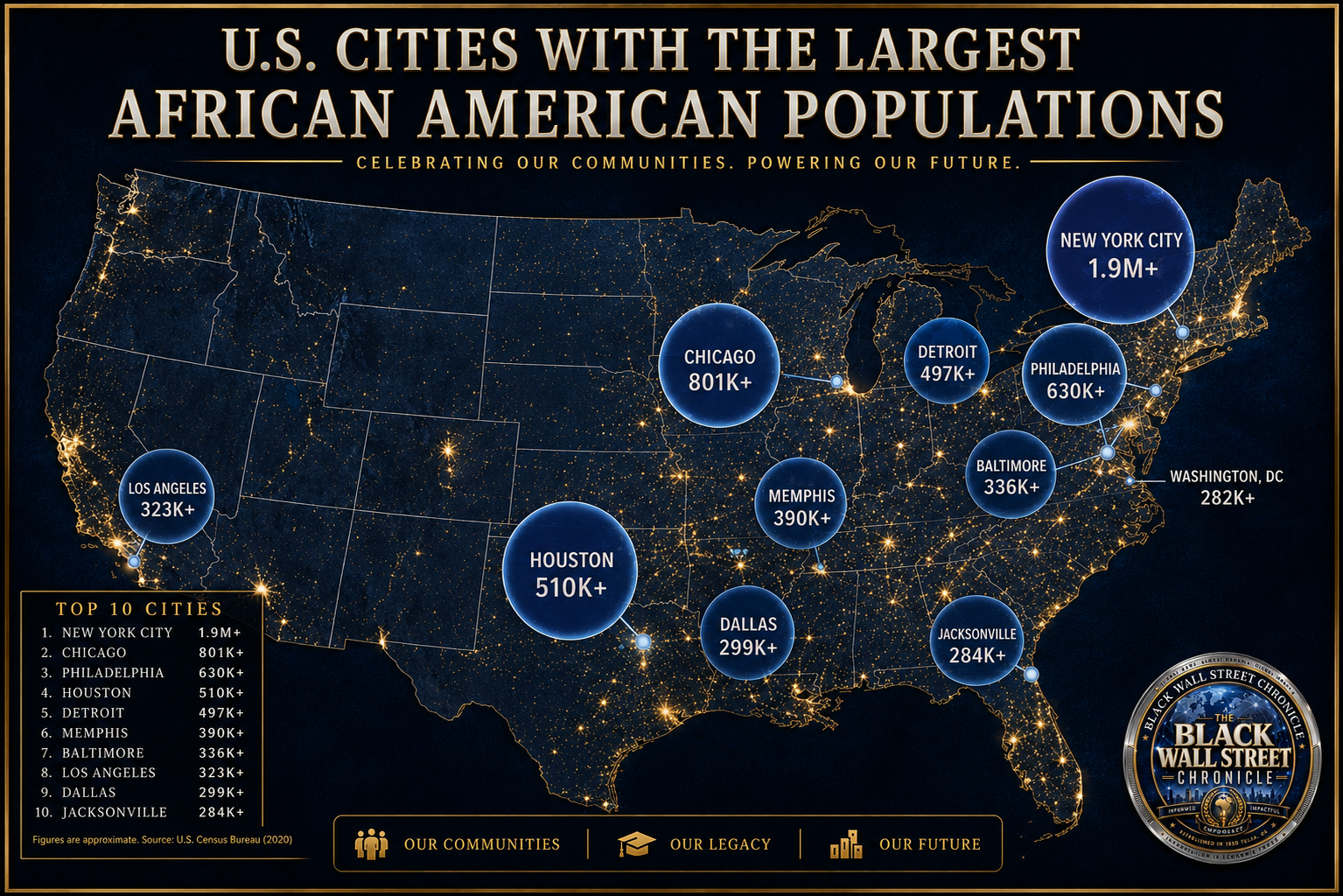
| Rank | City | State | Black Population |
|---|---|---|---|
| 1 | New York City | NY | 1,943,645 |
| 2 | Chicago | IL | 801,195 |
| 3 | Philadelphia | PA | 630,000+ |
| 4 | Houston | TX | 510,000+ |
| 5 | Detroit | MI | 497,000+ |
| 6 | Memphis | TN | 390,000+ |
| 7 | Baltimore | MD | 336,000+ |
| 8 | Los Angeles | CA | 323,000+ |
| 9 | Dallas | TX | 299,000+ |
| 10 | Jacksonville | FL | 284,000+ |
| 11 | Charlotte | NC | 284,000+ |
| 12 | Washington | DC | 282,000+ |
| 13 | Columbus | OH | 256,000+ |
| 14 | Indianapolis | IN | 245,000+ |
| 15 | Atlanta | GA | 233,000+ |
| 16 | Milwaukee | WI | 218,000+ |
| 17 | New Orleans | LA | 206,000+ |
| 18 | Cleveland | OH | 177,000+ |
| 19 | Fort Worth | TX | 177,000+ |
| 20 | Nashville | TN | 168,000+ |
| 21 | Oakland | CA | 160,000+ |
| 22 | Newark | NJ | 148,000+ |
| 23 | Boston | MA | 147,000+ |
| 24 | St. Louis | MO | 130,000+ |
| 25 | Jackson | MS | 121,000+ |

The research, historical analysis, and visual documentation presented by the Chronicle represent an important contribution to preserving and understanding the economic, demographic, cultural, and historical experiences of Black America. In a time when information moves rapidly and historical context is often lost in short-form media, the Chronicle provides a valuable foundation of research that connects past and present realities through data, storytelling, and historical interpretation. Its work serves not only as a record of Black history, but also as an educational resource that helps readers better understand the broader development of the United States itself.
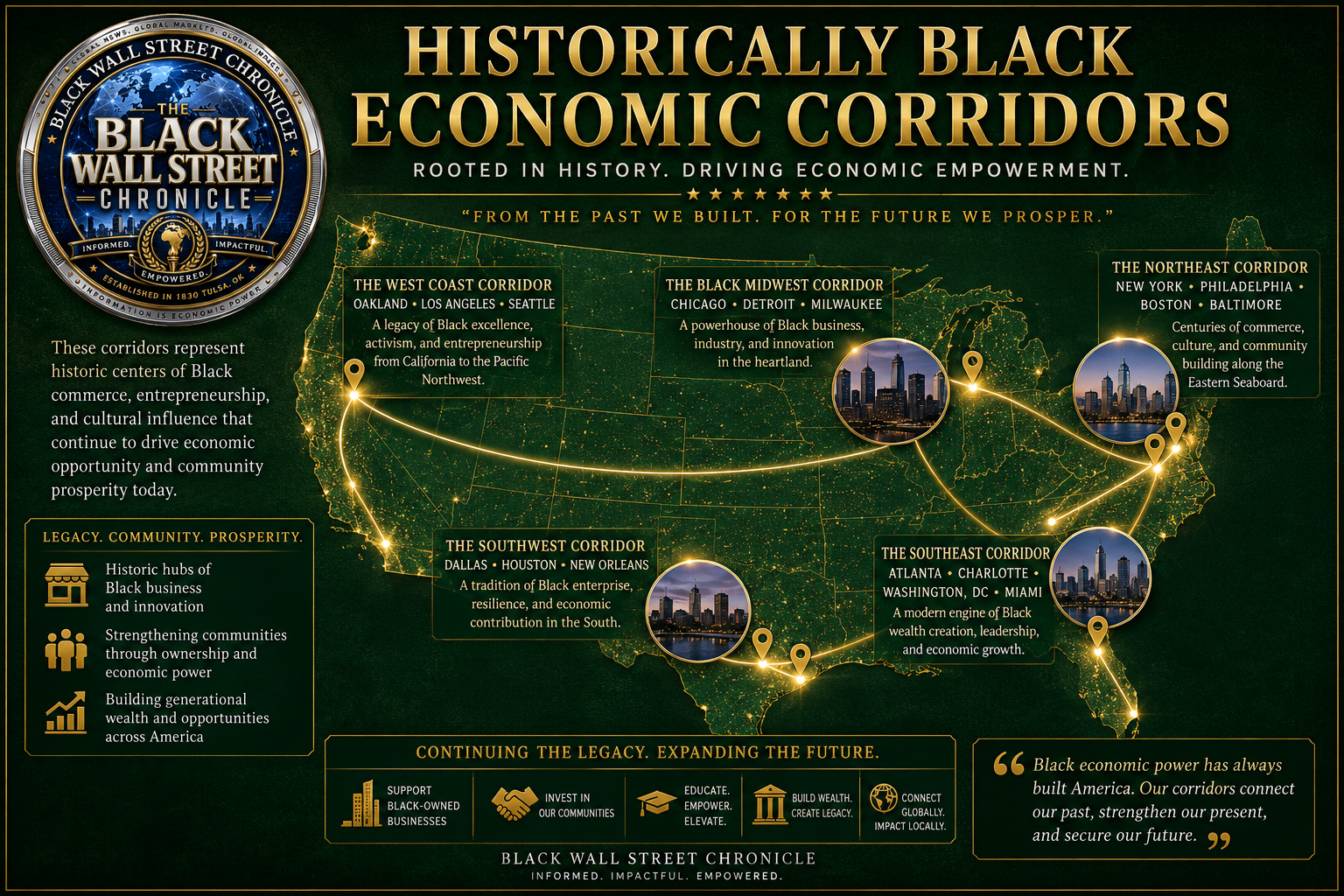
One of the most important aspects of the Chronicle’s research is its role in documenting Black economic history. Much of mainstream historical education has traditionally minimized or overlooked the scale of Black entrepreneurship, wealth creation, land ownership, innovation, and institution-building throughout American history. The Chronicle helps correct this imbalance by highlighting the accomplishments of Black business districts, inventors, professionals, educators, religious institutions, civic organizations, and community leaders whose contributions played a significant role in shaping local and national economies.
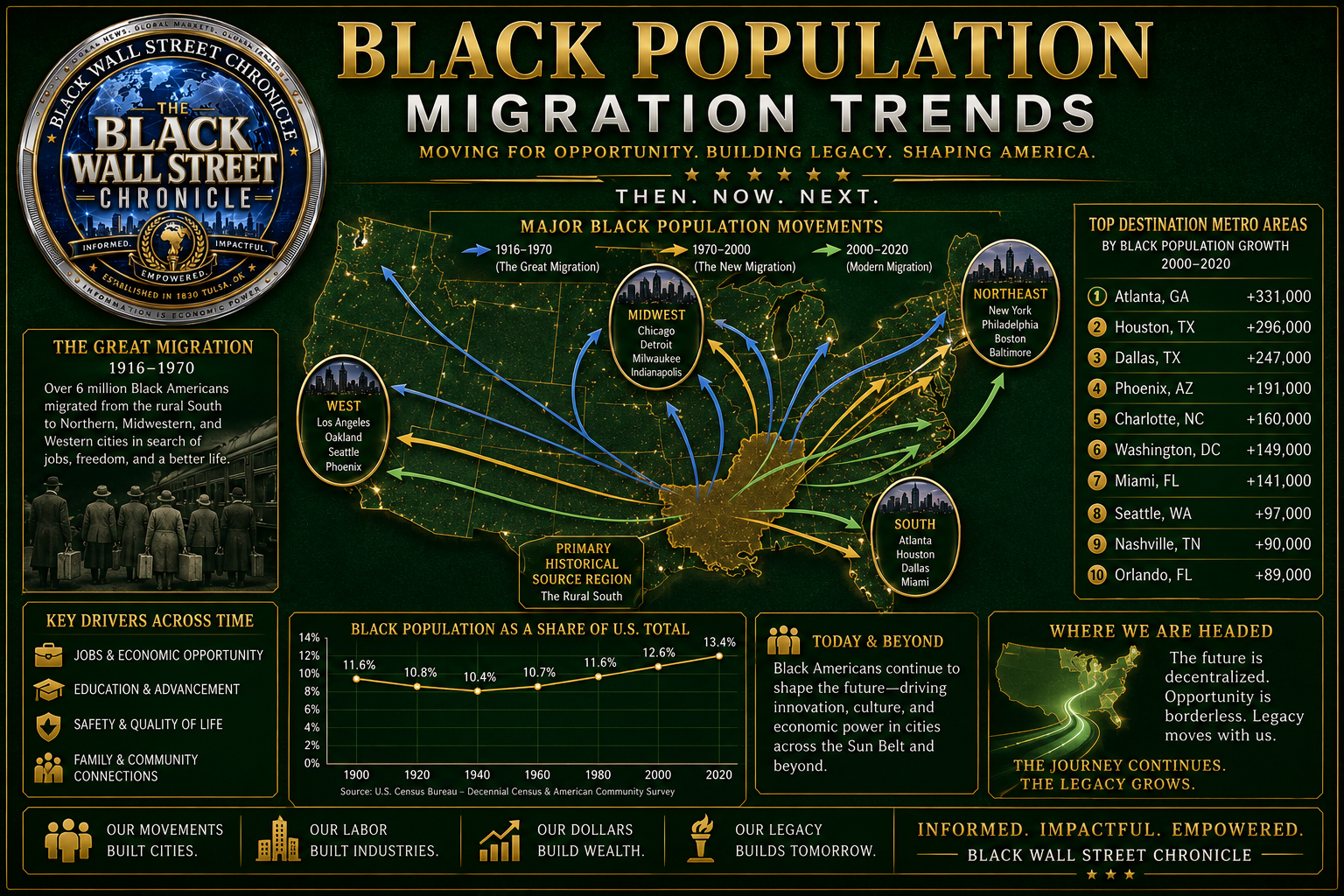
By examining historical Black business centers, migration patterns, population growth, and economic development, the Chronicle provides insight into how Black communities built systems of self-sufficiency despite facing enormous barriers including slavery, segregation, discriminatory lending practices, violence, exclusion from labor markets, and unequal educational opportunities. These stories are essential because they demonstrate not only the challenges Black Americans faced, but also the resilience, creativity, and determination that allowed communities to survive and prosper under difficult conditions.
The Chronicle’s research is also important because it preserves historical memory. Many historically Black communities, businesses, and institutions have disappeared due to urban renewal projects, highway construction, economic disinvestment, demographic shifts, and gentrification. Without active documentation and archival work, the stories of these communities risk being forgotten. Through its graphics, timelines, research articles, and historical records, the Chronicle helps preserve knowledge that might otherwise be lost to future generations.
Historical preservation matters because understanding the past provides context for present-day economic and social conditions. Many modern disparities in wealth, homeownership, business ownership, education, healthcare access, and employment did not emerge randomly. They are often connected to decades or even centuries of policy decisions and structural inequalities. The Chronicle’s work helps readers understand these long-term historical patterns by connecting historical events to contemporary outcomes. This allows for a more informed public discussion about economic development, public policy, education, and community investment.
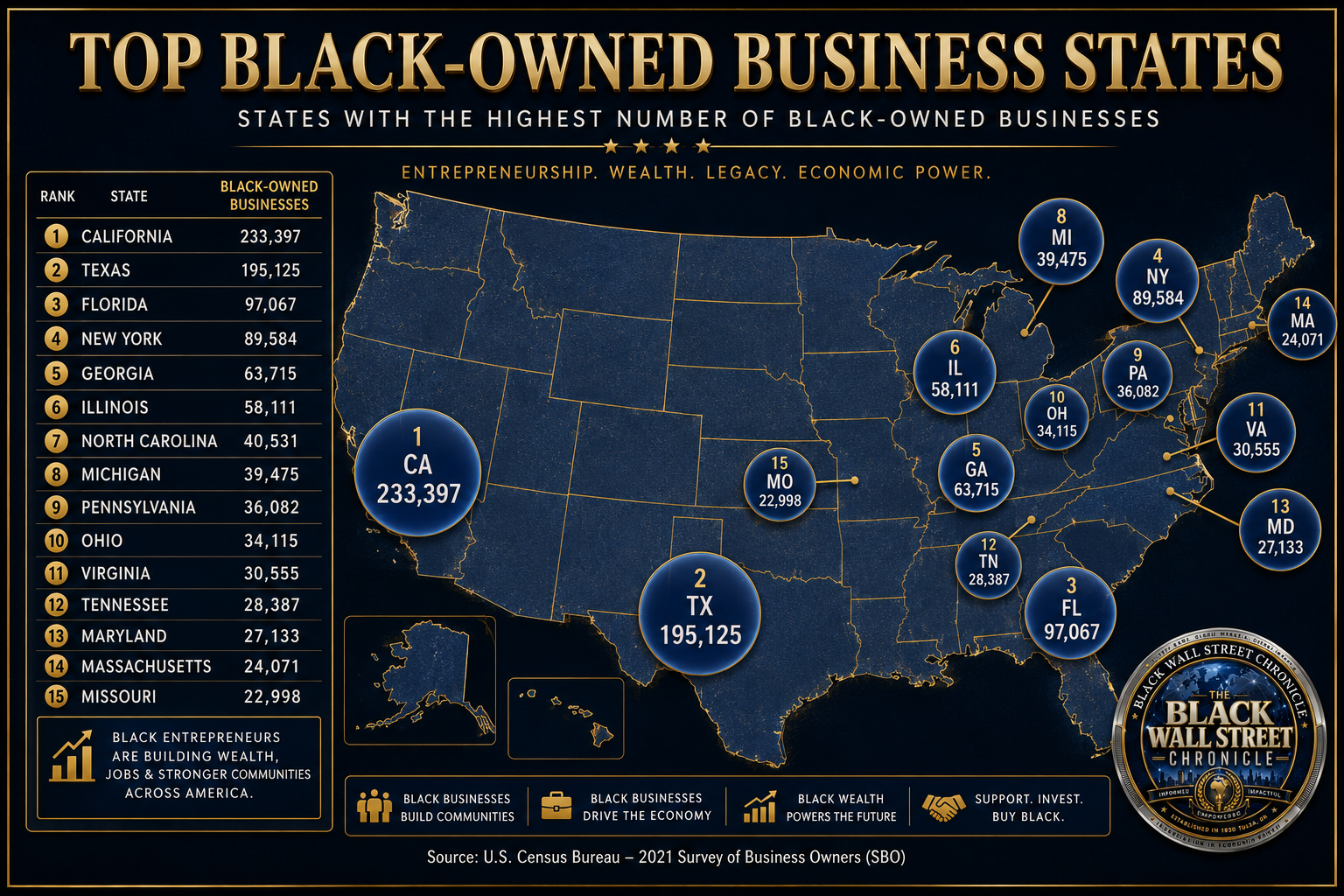
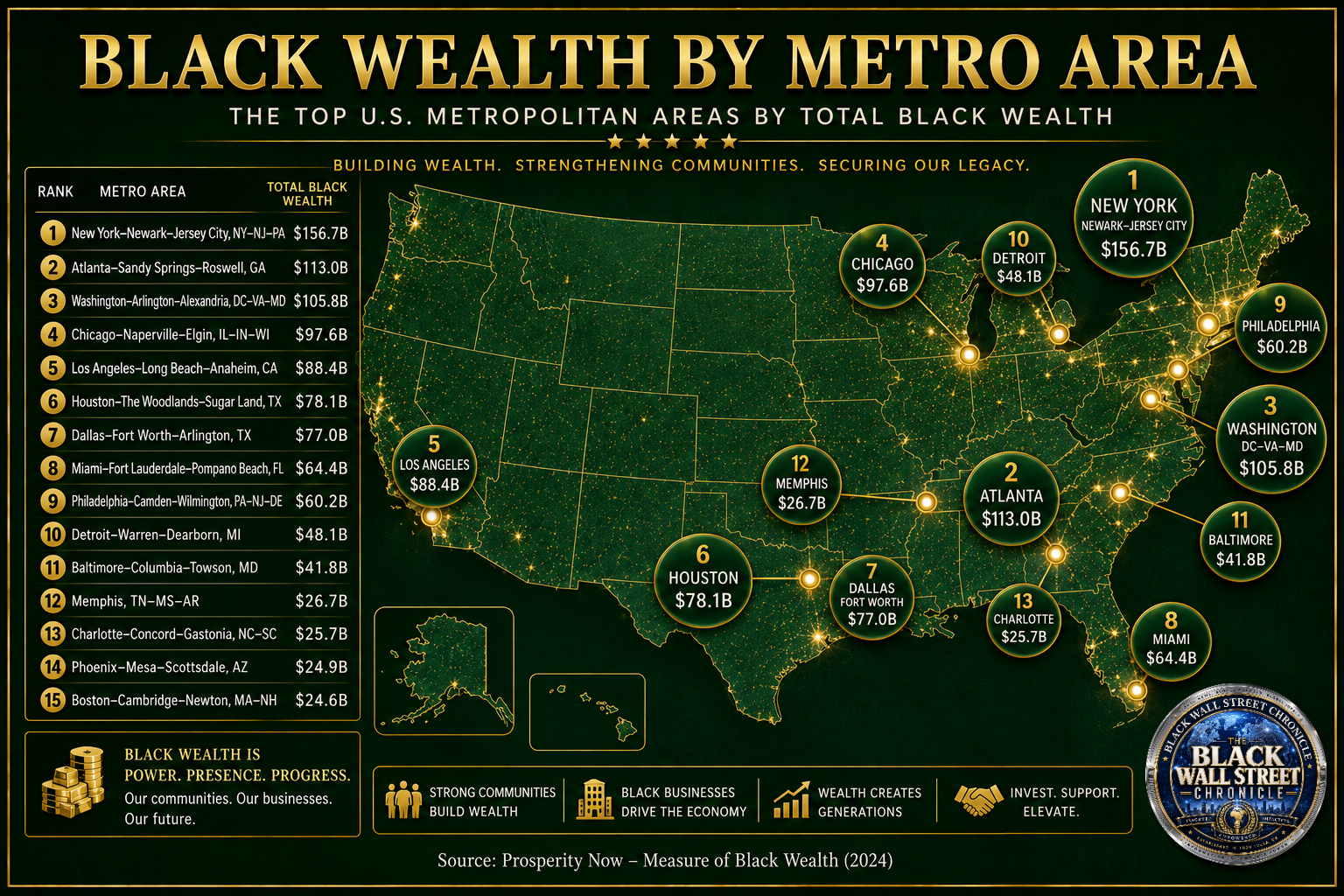
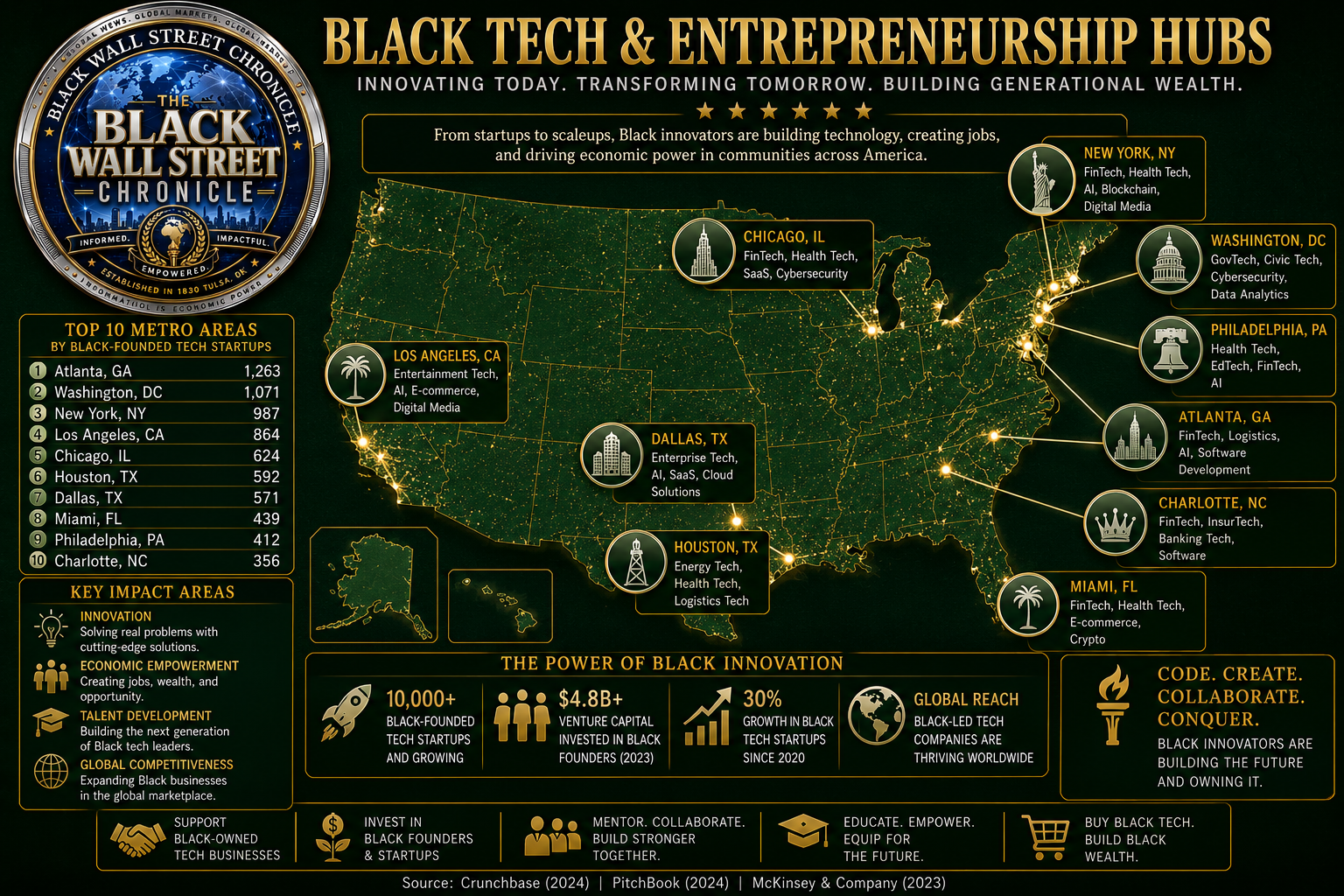
Another major strength of the Chronicle is its ability to transform complex data into accessible visual storytelling. Charts, maps, infographics, historical comparisons, and demographic graphics allow readers to quickly understand trends that might otherwise remain buried within technical reports or academic studies. Visual presentation is especially valuable in educational settings because it increases accessibility for broader audiences, including students, educators, journalists, researchers, and community organizations.
For example, graphics related to Black population growth, Black business ownership, migration trends, household wealth, or historical economic achievements help make statistical information easier to interpret and remember. Visual research tools also encourage greater public engagement with history by presenting information in formats that are shareable across digital platforms and social media. This expands the reach of educational content beyond traditional academic environments and helps younger generations engage with historical and economic research in more meaningful ways.
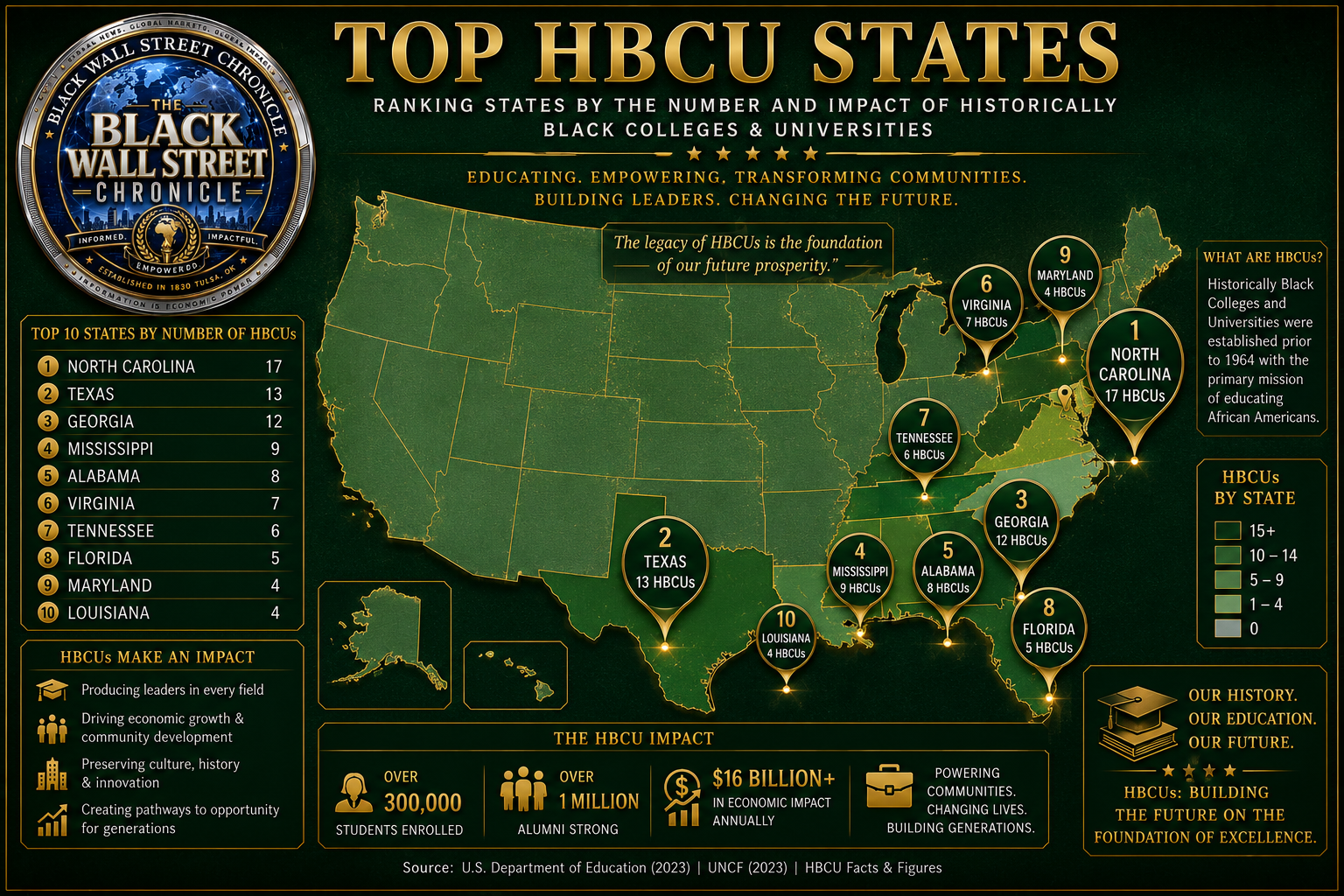
The Chronicle’s research is particularly valuable because it highlights the diversity and complexity of Black experiences across different regions, time periods, and industries. Black America has never been a single monolithic experience. Economic conditions, educational opportunities, migration patterns, and social structures have varied significantly between the rural South, urban Midwest, Northeast, West Coast, and other regions of the country. By examining metropolitan areas, states, historical business districts, and demographic trends, the Chronicle provides a more nuanced understanding of how Black communities developed under different historical conditions.
This type of research also helps counter stereotypes and incomplete narratives that often dominate public discussions about Black communities. Too often, media coverage focuses primarily on poverty, crime, or inequality without giving equal attention to achievement, institution-building, entrepreneurship, innovation, cultural influence, and economic contribution. The Chronicle helps broaden the conversation by documenting Black excellence alongside the challenges communities have faced. This creates a fuller and more balanced historical narrative.
In addition to its educational value, the Chronicle’s research can serve as an important resource for policymakers, business leaders, nonprofits, educators, and community advocates. Reliable historical and demographic data can help guide conversations about economic investment, educational initiatives, housing policy, business development, healthcare access, workforce development, and infrastructure planning. Understanding where communities have succeeded historically can also help identify models for future growth and revitalization.
The Chronicle’s work is also significant because it contributes to intergenerational knowledge. Many younger readers may not fully understand the scale of Black economic achievement that existed in earlier generations or the systemic obstacles communities overcame. Historical examples of Black Wall Streets, independent business districts, land ownership, professional networks, and educational institutions provide powerful examples of resilience and self-determination. Preserving these stories can inspire future generations to pursue entrepreneurship, education, civic leadership, and community development.
Moreover, the Chronicle contributes to a broader understanding of American history itself. Black history is not separate from American history; it is central to it. The labor, innovation, culture, political activism, military service, artistic achievement, scientific contribution, and economic participation of Black Americans have profoundly shaped the nation’s development. Research that accurately documents these contributions helps create a more complete and truthful understanding of the American experience.
The Chronicle’s emphasis on data and historical research is particularly important in an era where misinformation and historical distortion can spread quickly online. Well-researched documentation, supported by historical records and demographic analysis, helps establish factual foundations for public understanding. This is essential not only for academic accuracy, but also for informed civic discussion.
Finally, the importance of the Chronicle’s research lies in its ability to connect history with possibility. By documenting both historical achievement and ongoing challenges, the Chronicle encourages readers to think critically about the future of Black economic development, wealth creation, education, political representation, and community investment. Its work demonstrates that historical knowledge is not simply about looking backward; it is also about understanding how past experiences shape future opportunities.
Through research, historical preservation, visual storytelling, and public education, the Chronicle provides an important service that extends far beyond simple reporting. It helps preserve cultural memory, strengthen historical understanding, promote informed discussion, and ensure that the achievements, struggles, and contributions of Black Americans remain visible within the broader story of the United States.