

The Slavery Project
In 2026, Black history faces growing attempts at restriction, marginalization, and erasure, preserving the historical record is more important than ever.
Contributions are welcome through our official Cash App:
The Slavery Project documents the history of slavery throughout the United States, honors the humanity and resilience of those who endured it, and helps ensure that future generations can access this essential history. Your support helps advance historical research, preserve valuable records, expand educational resources, and make this history accessible to the public. Every contribution can help sustain this work and strengthen the historical record for generations to come.
We invite historians, educators, descendants, community leaders, and everyone who believes in historical truth to stand with us. When history is threatened, preserving it becomes a responsibility we share.
A unique visitor is a distinct visitor counted by the website’s tracking system during a specified reporting period. Unlike page views, which count every page accessed, unique visitors estimate how many different visitors access the Slavery Project.
For example, one visitor opening five pages may generate five page views but only one unique visitor. Because people may use multiple devices or share browsers, these counts are estimates rather than exact totals of individual people.
Together, these sources help document the historical realities of slavery, the experiences and resistance of enslaved people, and slavery’s enduring social, economic, and demographic consequences.
Its pages explore subjects including the domestic slave trade, the Underground Railroad, the Fugitive Slave Act of 1850, resistance and escape, emancipation, Reconstruction, civil rights, reparations, and continuing economic inequalities. The project connects historical evidence with the broader struggle to understand slavery’s enduring impact on American society.
A unique visitor is a distinct visitor, rather than simply another page view by someone who has already visited. The dots are a visual indicator of activity, not a precise display of an individual's location or identity. Their meaning depends on the visitor data and tracking method connected to the map.
The glow helps viewers recognize which state pages are receiving attention. It does not necessarily identify the visitor's physical location unless verified geographic data is available. Global geographic visualization is planned as the project expands.
The designation reflects the map's configured ranking data; it should not be interpreted as a measure of a state's educational attainment, the importance of its history, or the full extent of its connection to slavery. Select any state to explore its Slavery Project page and learn more about the people, events, institutions, and economic systems connected to slavery in that state.
 Select a state. Expose its direct and indirect gains from slavery.
71,832,408
TSP Visitors
TSP Unique Visitors & Reach
43,904
TSP Data Sources
TSP Historical Research & Data Sources
The Slavery Project draws upon historical newspapers, university libraries, research centers, scholarly journals, books, government and census records, archival collections, museum exhibits, manuscripts, letters, diaries, court documents, legislation, land records, oral histories, photographs, maps, and genealogical research.
307
TSP Pages
The Slavery Project's Historical Coverage
The Slavery Project encompasses historical documentation and research across all 50 states and the District of Columbia, examining slavery’s development, regional differences, and lasting consequences.
51
TSP State Pages
Visitor
New Visitor Activity
Each glowing dot represents a new unique visitor activity event in the Slavery Project's map visualization. These dots illustrate visitor engagement with the project's historical research and state pages.
View
Page Views
When a state's borders glow, this indicates that the state's Slavery Project page has been accessed by a visitor. Visitors may come from anywhere in the world, but the map currently organizes and displays activity through U.S. state boundaries.
TSP Top 20
Highlighted State Borders
Red-highlighted borders identify the 20 states designated by the TSP map's historical-activity ranking. These highlights help visitors quickly distinguish the states receiving special attention in the ranking from the other states on the map.
TSP Top 20
TSP Trending
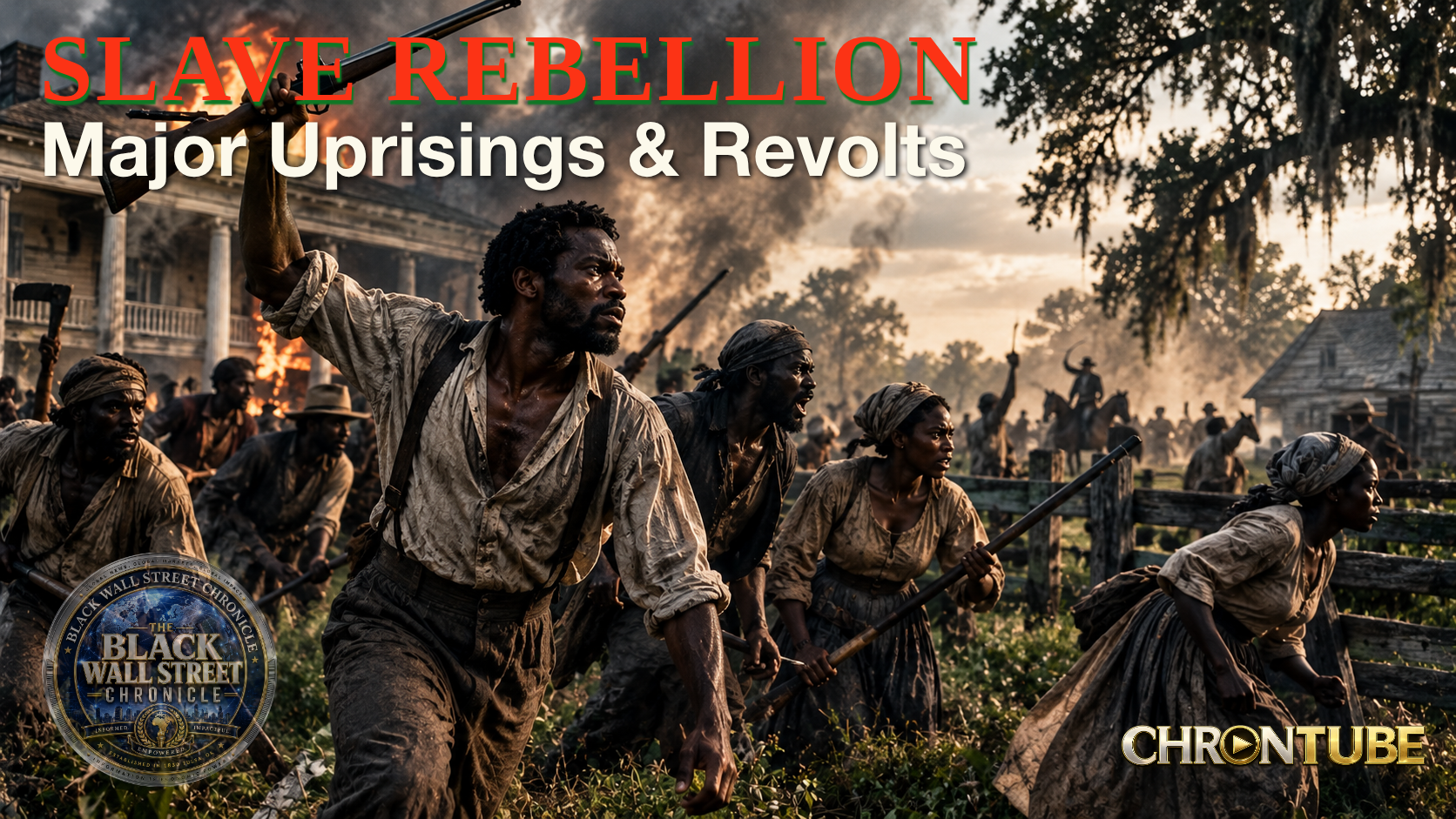
Slave Rebellions in America
Watch on ChronTube →
The Underground Railroad
Follow the Routes →

African American Research Centers
Expoore the Research Centers →
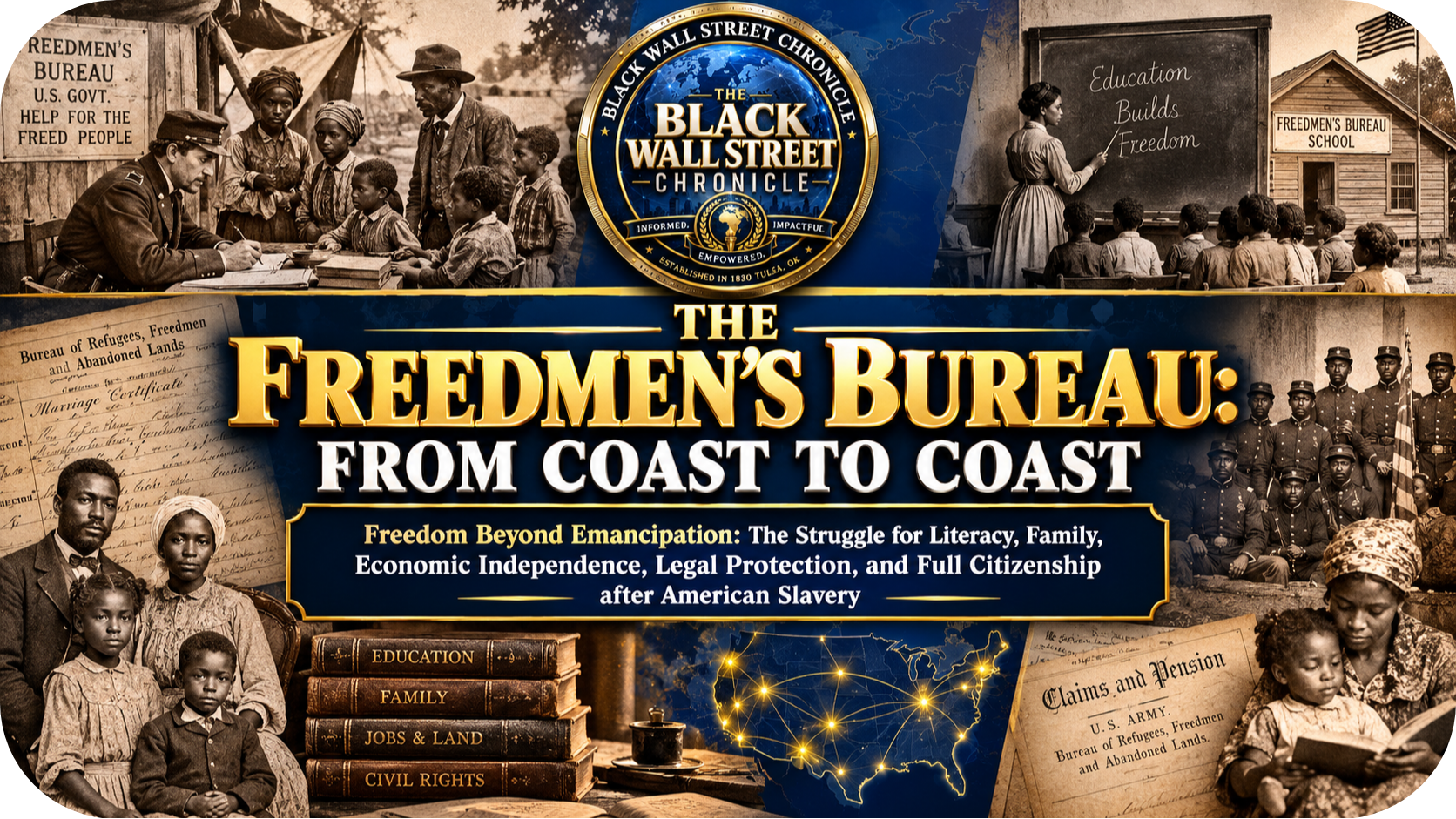
Freedmen's Bureau
Explore the Bureau →
Fugitive Slave Act of 1850
Examine the Act →
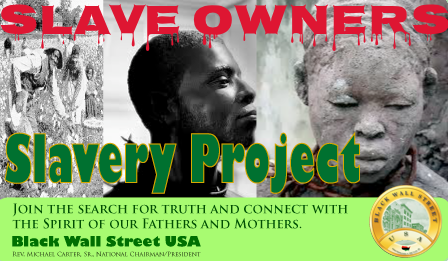
Slave Owners
Explore the Records →

Freedom & Liberation
Read Freedom & Liberation →
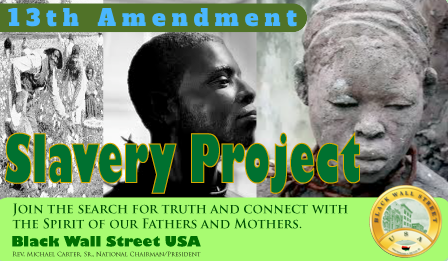
13th Amendment to the U.S. Constitution
Explore the Amendment →
CASH APP the Slavery Project: $greenwoodtulsa